76 Americans Sought Asylum in Netherlands Last Year, Citing Transgender Persecution
US Transgender Citizens Flee to Netherlands for Asylum

In a striking trend, the number of American citizens applying for asylum in the Netherlands has surged dramatically. Official figures from the Dutch asylum and immigration ministry show that 76 Americans claimed asylum last year, a significant increase from just nine in 2024. Many of these individuals are transgender people who say they are fleeing a hostile and dangerous environment in the United States following the return of Donald Trump to the White House.

Life Inside the Ter Apel Refugee Camp

The journey for these Americans often ends at Ter Apel, the Netherlands' largest asylum seeker reception centre. This fenced facility, housing around 2,000 people, is a world away from the typical Dutch tourist experience. New arrivals, after an initial assessment, are dispersed to different blocks, given a small food allowance, and must adhere to routines like daily bed checks.

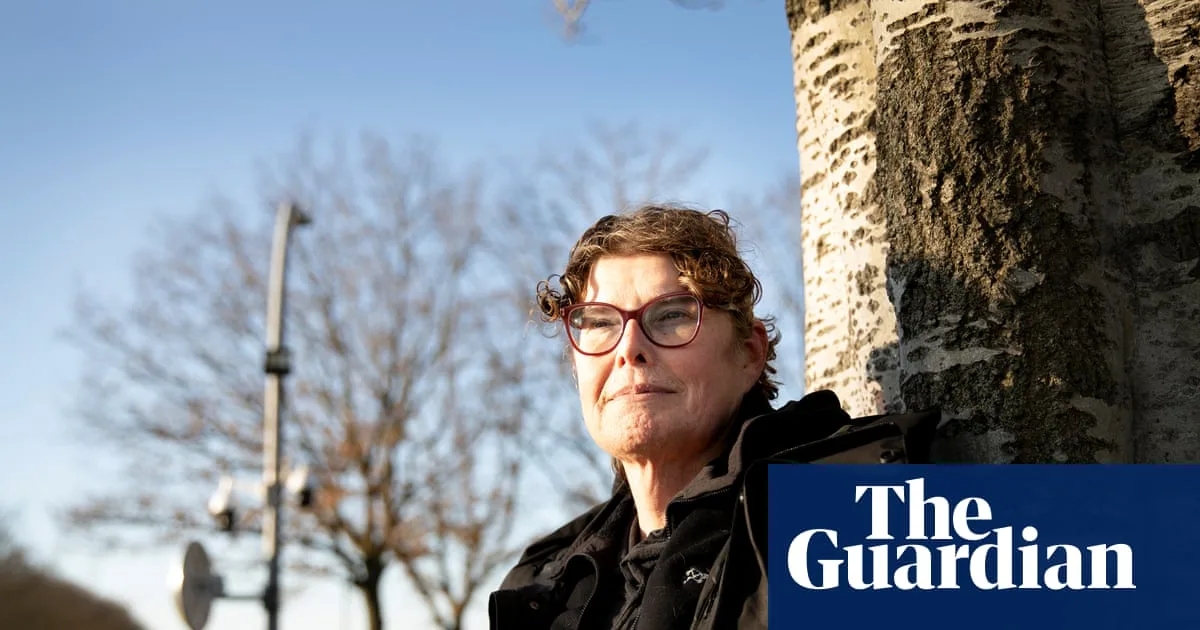
For Jane-Michelle Arc, a 47-year-old software engineer from San Francisco, the first days were a shock. She described being housed in a tiny, graffiti-covered room. Her decision to flee was not taken lightly. "I was afraid for my life," she stated, explaining that public abuse and a specific incident where she feared being run over forced her to stop leaving her house. She arrived at Amsterdam's Schiphol airport in April last year and, in tears, asked officials how to claim asylum.

A Shared Fear Across Borders

Arc was eventually placed in what residents call "the queer block," where LGBTQ+ asylum seekers are housed together. There, she found an unexpected commonality with others from countries like Libya, Iran, and Morocco. "Our stories were so similar," she said. "We were in danger from the people around us... all of us thought of America as a place we wanted to live in."

Another American, Ashe Wilde, 40, who transitioned in 2019, corroborates the climate of fear. He points to the inflammatory rhetoric and policies of the Trump administration, including an executive order effectively erasing federal recognition of transgender identities. Wilde claims he was publicly labelled a "paedo" and a "groomer" and faced physical altercations.

The Daunting Legal Hurdle for American Asylum Claims

Despite their perilous stories, the chance of Americans being granted asylum in the Netherlands is considered very low. Professor Marlou Schrover of Leiden University, an expert on Dutch immigration, explains the high bar set by the UN Refugee Convention. Applicants must prove persecution and that state protection was unavailable. "The claim has to be really strong," she said.

Schrover suggests that for claims to succeed, the US would need to be detaining people solely for their gender identity. Simply denying the right to change a passport gender marker is insufficient. Furthermore, Dutch authorities are reportedly wary of declaring the US, a key ally, an unsafe country.

This legal reality has already led to rejections. Lisa Gayle Carter-Stewart fled Montana with her 14-year-old transgender child, Nox, last April. Their claim was "automatically rejected because America is considered a safe country of origin," she said, despite Nox's severe mental health struggles and suicidal statements during the interview process.

For those facing deportation, the prospect is terrifying. Arc fears being detained by ICE and placed in a male facility, where she believes she would be harmed. Wilde speaks of a forced de-transition due to dwindling access to hormone therapy. "Emotionally, mentally, spiritually, I would absolutely be dead," he said.

The phenomenon of Americans seeking asylum in Europe underscores a deepening crisis for transgender rights in the United States, presenting a complex challenge for international refugee law and diplomatic relations.