The Trump administration has ordered the termination of a longstanding humanitarian protection for Somali nationals living in the United States, setting a 60-day deadline for hundreds to leave the country or face potential deportation.
"Temporary Means Temporary": Noem's Justification
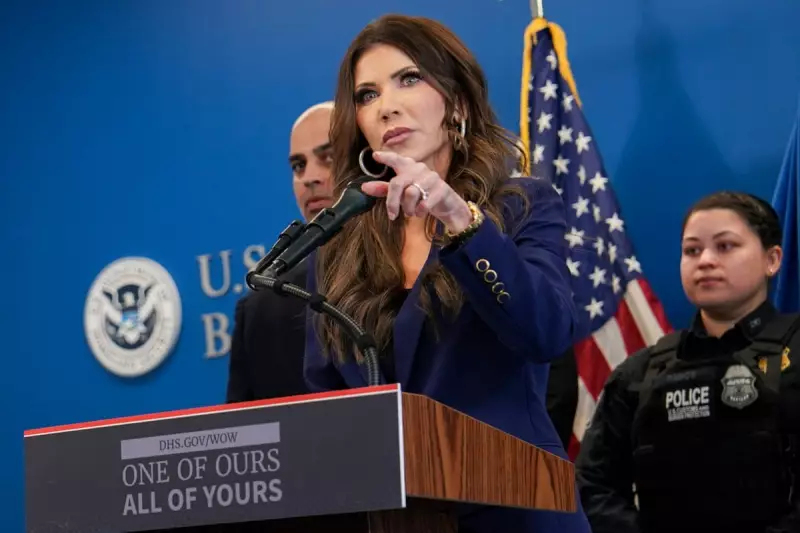
Homeland Security Secretary Kristi Noem announced the decision, claiming that conditions in the East African nation have improved enough that it no longer qualifies for Temporary Protected Status (TPS). The move was formalised following a press conference at the One World Trade Center in New York City on 8 January.
In a statement, Noem asserted that allowing Somali nationals to remain was "contrary to our national interests." "Temporary means temporary," she wrote, adding, "We are putting Americans first."
Background of Protection and Current Fallout
Temporary Protected Status is granted by the Department of Homeland Security to foreign nationals who cannot safely return home due to armed conflict, natural disasters, or other extraordinary conditions. Somalia was first designated for TPS in 1991 by President George H.W. Bush during its civil war, and the status has been renewed by every subsequent administration, most recently by Joe Biden in September 2024, who extended it through March 2026.
According to official U.S. Citizenship and Immigration Services data from August 2025, the decision affects 705 Somali nationals currently holding TPS, who now have until 17 March before their status expires. However, anonymous immigration sources cited by Fox News Digital, which first reported the termination, suggested the number of beneficiaries and applicants could be significantly higher.
The administration's move follows rhetoric from former President Donald Trump, who announced his intention to end the protection in November. On Truth Social, he referenced unverified claims about fraud and "Somali gangs," writing, "Send them back to where they came from. It’s OVER!" Trump has previously used derogatory language about Somalis and amplified unsubstantiated reports linking fraud in Minnesota to the militant group al-Shabaab.
Legal Challenges and Humanitarian Warnings
The policy shift has ignited significant controversy and legal action. The Twin Cities of Minneapolis and St. Paul recently filed a lawsuit alleging the state is being targeted by federal immigration enforcement due to its political differences and diverse population, which includes a large Somali community.
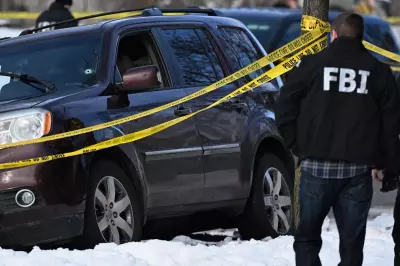
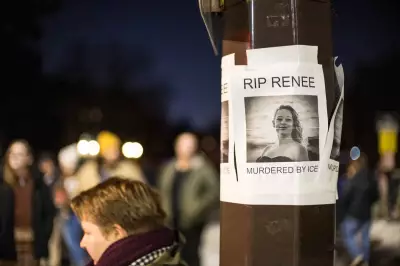
Minnesota Attorney General Keith Ellison accused DHS agents of having "sown chaos and terror across the metropolitan area." Tensions were further inflamed last week when American citizen Renee Good was fatally shot by a federal immigration agent during an operation in south Minneapolis, sparking nationwide protests.
Human rights organisations and UN reports warn that Somalia remains unsafe, plagued by persistent violence from al-Shabaab militants, severe drought, and widespread humanitarian crises that have displaced millions internally. They argue that forcing Somali nationals to return places them at severe risk, contradicting the administration's claim of improved conditions.