US Deports 15 Latin Americans to Congo Under Controversial Third-Country Agreement
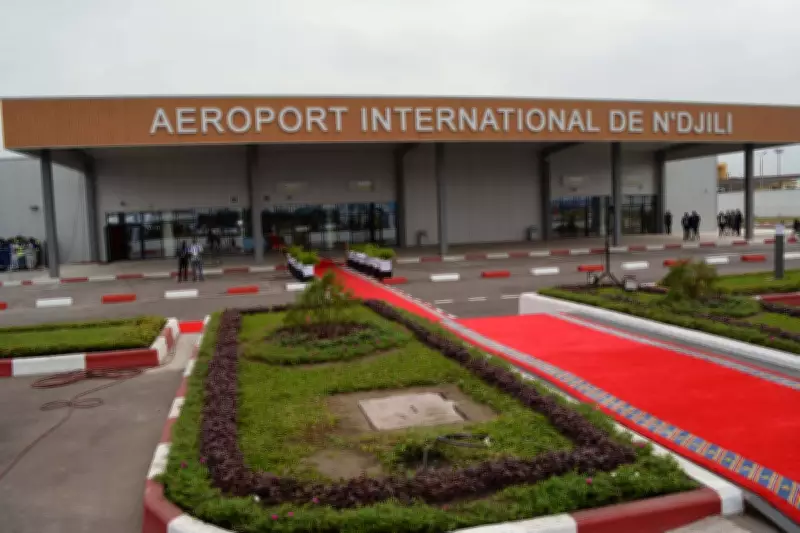
In the early hours of Friday, approximately fifteen individuals deported from the United States landed in Kinshasa, the capital of the Democratic Republic of Congo. This development represents the latest instance of the Trump administration utilising agreements with African nations to expedite migrant removals, a practice that has sparked significant controversy and raised serious questions about the protection of migrants' fundamental rights.
Legal Protections Overridden
According to U.S. attorney Alma David, who represents one of the deportees and has been in communication with her client since their arrival in Kinshasa, all fifteen individuals are from Latin American countries. David revealed a particularly alarming detail: all the deportees are believed to have previously obtained legal protection from U.S. judges, specifically shielding them from being returned to their countries of origin. The Congolese government intends to host them for only a short period, with the deportees currently believed to be accommodated at a hotel in the capital city.
An official from the Congolese migration agency confirmed the arrivals but declined to provide further specifics. The International Organization for Migration (IOM), an agency affiliated with the United Nations, is expected to become involved to facilitate what it terms "assisted voluntary return" for the individuals.

Questions Over 'Voluntary' Nature
Attorney Alma David expressed profound concern regarding this arrangement. "The fact that the focus is on offering them 'voluntary' return to their home country when they spent months in immigration detention in the U.S. fighting hard to not have to go home is very alarming," she told The Associated Press. The IOM did not provide an immediate response to requests for comment on its role in this specific case.
Details of the Congo-US Agreement
The groundwork for this transfer was laid earlier this month. Congo's Ministry of Communications issued a statement confirming it would receive some migrants as part of a new arrangement under the Trump administration's third-country deportation programme. The statement framed the agreement as a "temporary" measure reflecting Congo's "commitment to human dignity and international solidarity." It further assured that the arrangement would incur zero cost to the Congolese government, with the United States covering all necessary logistics.
The ministry emphasised that no automatic transfer of deportees was planned, stating: "Each situation will be subject to individual review in accordance with the laws of the Republic and national security requirements."
Broader Pattern of Third-Country Deals
This incident is not an isolated one. The United States has established similar third-country deportation agreements with at least seven other African nations. Many of these partner countries have been significantly impacted by the Trump administration's broader policies restricting trade, aid, and migration.
A recent report released by the Democratic staff of the Senate Foreign Relations Committee sheds light on the scale of this programme. It indicates that the Trump administration has expended at least $40 million to deport approximately 300 migrants to countries other than their own.
Human Rights Concerns Mount
Lawyers and human rights activists have consistently raised serious questions about the ethical and legal nature of these deportation deals, particularly with countries in Africa and elsewhere. A critical point of contention is that several of the African nations that have entered into such agreements, including Eswatini, South Sudan, and Equatorial Guinea, are governed by regimes notoriously criticised for repressive policies and poor human rights records.
The arrival of these fifteen Latin Americans in Congo marks a significant escalation in a policy that continues to draw international scrutiny and condemnation from rights groups, who argue it circumvents established legal protections for vulnerable migrants.