
UK Households Urged to Use More Power This Summer as Renewable Energy Soars
Households across Great Britain are set to be called upon to increase their electricity consumption this summer, as record levels of renewable energy threaten to overload the power grid. This initiative aims to balance the system and potentially lower energy bills for consumers.
Incentives to Absorb Surplus Wind and Solar Energy
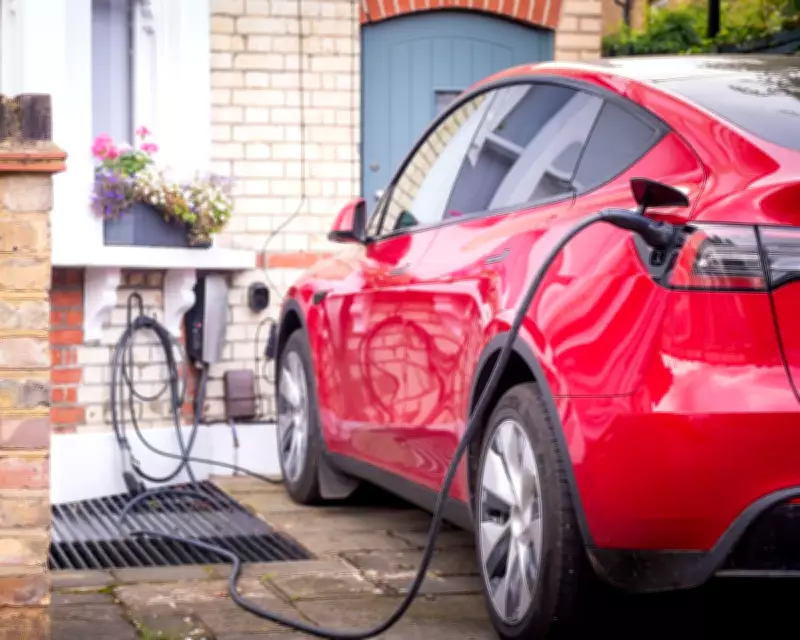
Under new plans, energy suppliers will encourage consumers to run appliances such as dishwashers and washing machines, or charge electric vehicles, during periods when wind and solar power exceed grid demand. Suppliers may offer heavily discounted or even free electricity during these specific times, based on predictions from the National Energy System Operator (Neso).
While many suppliers already provide off-peak rates to over 2 million households, this marks the first time Neso will use such tools to actively help balance the grid. By issuing market notices to boost consumption, Neso hopes to avoid costly payments to wind and solar farms for turning off during low demand, expenses that are ultimately passed on to consumers through energy bills.
Record Renewable Energy and Grid Challenges
Great Britain has recently set new solar power records, with sunny spring weather driving the grid to consecutive daily highs. This follows a record high for windfarms, which reduced gas-fired power generation to a two-year low. The abundance of low-carbon electricity this summer could lead to overloads in parts of the grid, raising the risk of unplanned blackouts due to bottlenecks.
In the future, grid upgrades are expected to facilitate better transmission of renewable energy from remote areas to population centres, reducing the need for curtailment payments. Additionally, increased consumption from electric vehicles, heat pumps, and green hydrogen production by the 2030s will further mitigate the need to curb green energy.
Economic and Seasonal Context
This offer may prove particularly appealing as households face a rise in the government's cap on dual fuel energy bills to nearly £2,000 annually from July, driven by soaring energy market costs linked to global conflicts. Neso's plans are set against a backdrop of what could be the first summer the grid runs entirely on zero-carbon electricity.
Great Britain is also expected to be a net importer of electricity from continental Europe, where high nuclear and renewable generation is anticipated. Businesses and manufacturers will have opportunities to boost electricity demand in exchange for better rates, supporting grid stability.
Gas Supply and Security
Despite the global gas supply crisis triggered by Middle East conflicts, Great Britain is forecast to have sufficient gas to meet summer demand, which is typically lower. National Gas, the owner of the gas grids, expects reliance on North Sea gas from Norway and the UK, with a 6% decline in domestic supplies offset by higher imports from Norway and the global liquefied natural gas market.
Neso does not include market price views in its summer outlook and anticipates no significant changes to Britain's gas security over the summer. However, analysts are monitoring the impact of blockades on Gulf oil and gas exports, with potential effects becoming more apparent in winter when heating and power plant demand increases.




