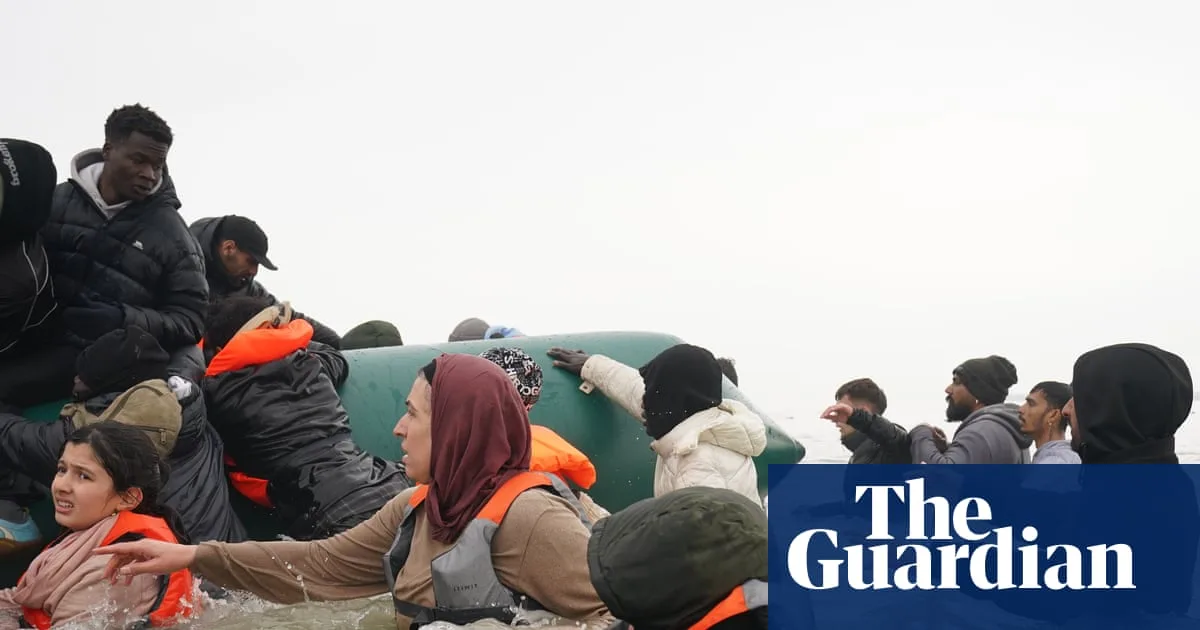
UK Commits £662 Million to France in New Deal to Curb Channel Migrant Crossings
UK to Pay France £662M in New Deal to Stop Small Boat Crossings

UK Commits £662 Million to France in New Deal to Curb Channel Migrant Crossings

The United Kingdom has agreed to pay France an additional £662 million over the next three years as part of a new bilateral agreement aimed at reducing small boat crossings in the English Channel. This substantial funding boost represents a significant escalation in efforts to tackle the ongoing migrant crisis, with approximately £160 million of the total amount being conditional on France's performance in meeting specific targets.

Performance-Based Funding and Enhanced Enforcement

Under the terms of the deal, the conditional £160 million will only be released if France successfully demonstrates progress in key areas. These include stopping boats from departing, arresting individuals involved in people smuggling operations, and preventing migrants from boarding dinghies along the northern French coastline. This performance-based approach marks a strategic shift in how the UK allocates resources for border security initiatives.

The agreement will also lead to a substantial increase in law enforcement presence on French beaches. Specifically, there will be a 40 per cent rise in the number of officers deployed, bringing the total from 700 to nearly 1,100 personnel. This enhanced manpower will be complemented by upgraded surveillance technology, including advanced monitoring systems designed to detect and intercept vessels before they embark on the perilous journey across the Channel.

Wide Pickt banner — collaborative shopping lists app for Telegram, phone mockup with grocery list

Government Pledges and Charitable Criticism

Home Secretary Shabana Mahmood has publicly endorsed the deal, asserting that it will help put an end to the dangerous and often fatal crossings that have claimed numerous lives in recent years. She emphasised that the strengthened collaboration with French authorities is crucial for disrupting smuggling networks and protecting vulnerable individuals from exploitation.

However, the agreement has faced criticism from humanitarian organisations. The Refugee Council, among other charities, has argued that the approach merely addresses the symptoms of the migrant crisis rather than tackling its root causes. They advocate for the establishment of safe and legal routes for asylum seekers, contending that without such measures, migrants will continue to resort to risky methods facilitated by smugglers.

Historical Context and Rising Concerns

This new funding commitment follows previous financial injections under the Conservative government, which failed to achieve a sustained reduction in small boat arrivals. In 2025, the number of crossings reached 41,472, highlighting the persistent nature of the challenge. Moreover, reports have indicated a troubling increase in migrant deaths and the adoption of more dangerous smuggling tactics in the aftermath of earlier UK-France agreements.

The rise in fatalities underscores the urgent need for effective solutions, as critics point out that enhanced enforcement alone may not suffice. The complex interplay of geopolitical factors, economic disparities, and humanitarian considerations continues to fuel the migrant flow, necessitating a multifaceted response that balances security with compassion.

As the UK and France move forward with this renewed partnership, the focus will remain on achieving tangible outcomes. The success of the deal will be closely monitored, with stakeholders on all sides watching to see if the increased investment translates into safer conditions and reduced crossings in the Channel.

Pickt after-article banner — collaborative shopping lists app with family illustration




