Britain to Pay France Millions More for Channel Patrols Despite Target Refusal
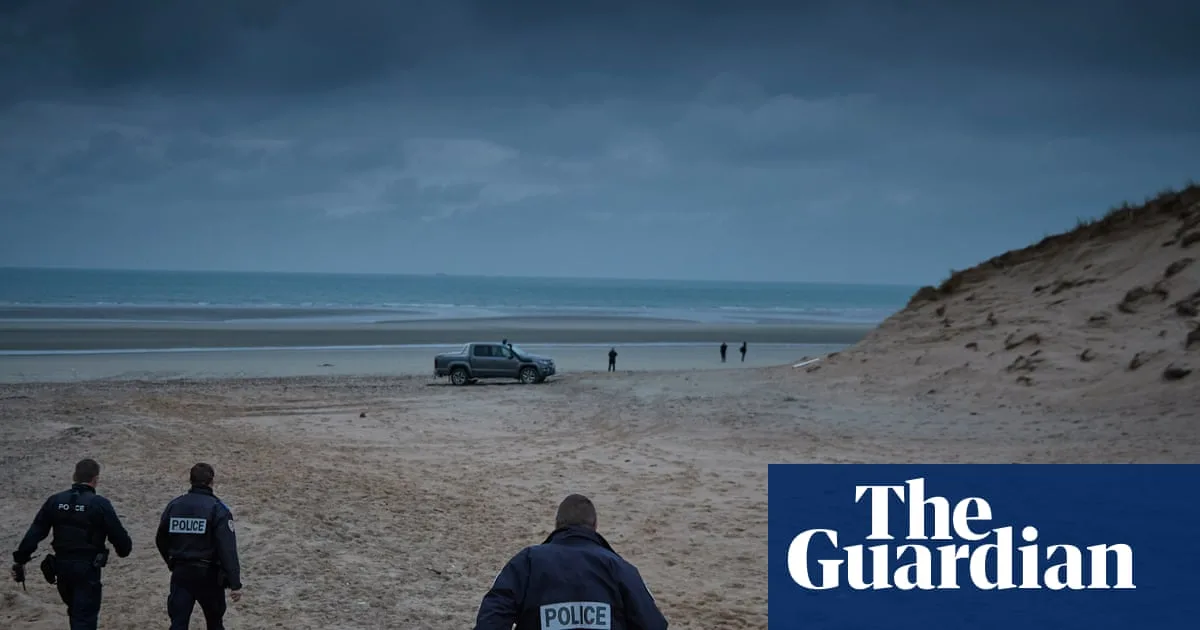
Britain has agreed to pay France millions of pounds more to police the English Channel, despite French authorities flatly refusing to accept performance targets for stopping migrant boats. Home Secretary Shabana Mahmood has signed off on a £17 million cheque for a two-month extension to the current deal with Paris, which subsidises French beach patrols along the northern coastline.
French Rejection of Payment-by-Results Plan
The French government has categorically rejected the Home Secretary's demand to link future British payments to success in intercepting and preventing small boat crossings. This refusal comes amid growing frustration in Whitehall over a significant fall in interception rates, with French authorities stopping fewer than a third of attempted illegal crossings this year.
More than 4,400 migrants have successfully made the dangerous Channel crossing since January, despite persistently poor weather conditions that would normally deter such attempts. Ms Mahmood had insisted that future payments from British taxpayers should be directly linked to measurable results in reducing crossings, but French officials refused this approach, claiming it could endanger lives at sea.
Political Criticism and Negotiation Stalemate
With the current agreement due to expire on Tuesday night, and facing the prospect of uncontrolled Channel crossings, Ms Mahmood agreed to extend the deal while continuing negotiations. The Home Secretary vowed she would do "whatever it takes to restore order and control at our borders," but the decision has drawn sharp criticism from opposition politicians.
Shadow home secretary Chris Philp accused Labour of allowing Britain to be "ripped off by the French," stating: "France is stopping fewer small boat illegal immigrants than ever. The bottom line is there should not be any illegal immigrants attempting to seek asylum in the UK having left France in the first place - because France is a safe country."
Philp added: "Labour don't have the backbone to get a deal over the line. They are now going to pay £2 million a week for continued failure. We shouldn't pay the French a penny until they agree to substantially increase their prevention rate and start intercepting at sea by force - as they promised last summer."
Falling Interception Rates and Safety Concerns
Official figures published by the UK Home Office reveal that French interception rates have fallen to their lowest recorded level this year. Out of 6,233 attempted crossings, French authorities have stopped just 2,064 - representing a significant decline from previous years when interception rates approached 35%.
French officials have defended their position by emphasising safety concerns. Xavier Ducept, France's general secretary for the sea, warned a parliamentary committee that linking funding to interception numbers would be "extremely dangerous for migrants, for the security services, and for France."
Senior French police sources have echoed these concerns, with one Alliance police union representative stating: "People don't seem to realise how dangerous it is to try and carry out arrests at sea, while trying to force a boat to change course. If there are eighty people on an overcrowded boat, including women and children, then it is extremely dangerous to try and stop them."
Ongoing Negotiations and Financial Demands
The current round of negotiations for a new £650 million comprehensive deal remains deadlocked, primarily due to France's rejection of the payment-by-results proposal. In turn, British negotiators have refused French requests to fund salaries at a new migrant detention centre in northern France and contribute to a French police barracks.
A senior French Interior Ministry source indicated that Britain would need to increase its financial contribution to secure an enhanced agreement, stating: "Escalating costs have to be covered, and it is the British who need to cover them. We are putting all the work in, protecting British interests."
The £17 million extension payment will cover police overtime, insurance costs, boat maintenance, and drone operations along the French coast. French authorities are implementing new, more dangerous interception tactics within 300 metres of shore, requiring specialist training and equipment that further increases operational costs.
Legal Challenges and Future Prospects
The French government anticipates legal challenges from charities and non-governmental organisations as interception tactics become more aggressive, with potential cases proceeding through French and European courts. These legal battles would incur additional costs that Paris expects Britain to help cover.
Despite the current impasse, a Home Office source insisted that Ms Mahmood was "driving a hard bargain" rather than simply accepting French terms. "She is determined to deliver the best deal for the British people to prevent illegal migrants getting to Britain," the source said. "We want more bang for our buck."
In an official statement, the Home Secretary highlighted that Anglo-French cooperation has prevented 42,000 attempted Channel crossings, adding: "While we finalise a new and improved UK-France deal, French law enforcement operations to stop illegal migrants in France will continue."






