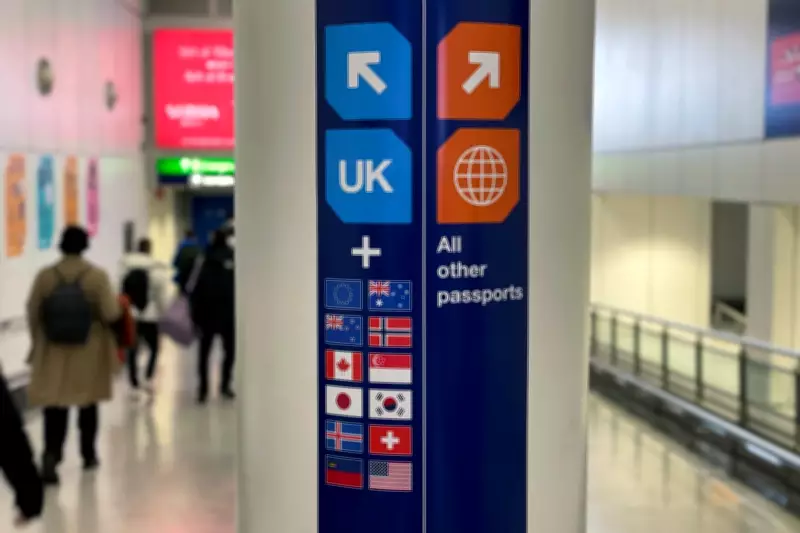
UK Dual Citizens Must Use British Passports for Entry from February 2026
British citizens with dual nationality will face significant changes to travel regulations starting 25 February 2026, as the Home Office enforces new rules requiring proof of British citizenship for entry into the UK. Currently, dual nationals can use passports from non-visa countries, such as those in the EU, Australia, Canada, or the US, to visit the UK for up to six months without additional documentation. However, this flexibility will end, obliging travellers to present a valid British passport, an Irish passport, or a foreign passport with a costly "certificate showing right of abode."
Why the Change is Happening
The shift aims to address confusion in the UK's immigration system, particularly with the introduction of the Electronic Travel Authorisation (ETA). This online permit is required for all foreign visitors from non-visa countries, except Irish nationals, to streamline border controls. Since British or Irish dual citizens cannot obtain an ETA, using a foreign passport alone will no longer suffice for entry. The ETA has been theoretically required since 2 April 2025, but full enforcement begins on 25 February 2026, leaving dual nationals without proper paperwork at risk of being denied boarding by airlines and shipping operators.
Options for Dual Nationals
Dual citizens have several options to comply with the new rules:

- Obtain a British passport: This is the most cost-effective choice, priced at £94.50 with a processing time of about three weeks in the UK, though it may take longer for those living abroad.
- Certificate of entitlement: A "certificate showing right of abode" attached to a foreign passport costs £589 and can be applied for using Form ROA.
- Emergency travel document: In urgent situations, an emergency travel document valid for a single trip to the UK is available for £125.
For those born abroad with British citizenship by descent, it is crucial to verify status and secure appropriate documentation before travel to avoid complications at the border.
Practical Travel Considerations
When returning to a country of residence, travellers should use their foreign passport to avoid issues with entry requirements. Airlines have varying policies on document usage; most allow specification of travel documents during check-in, but some may require contacting the carrier to update details. Before 25 February 2026, dual nationals can still enter the UK using a valid foreign passport without an ETA or certificate, and they may stay beyond that date if already in the country.
Impact and Exceptions
The new rules are part of the UK's move towards a digital immigration system, intended to enhance security and efficiency. Irish passport holders remain unaffected, enjoying unrestricted travel between the UK, EU, and Schengen area. Dual nationals are advised to plan ahead to ensure compliance and avoid travel disruptions as the enforcement date approaches.