UK Dual Citizen Passport Rules: Essential Updates for Travellers
British dual nationals face significant changes to travel regulations, with new rules set to take effect from 25 February 2026. Travellers could be denied boarding on flights to the UK unless they possess the correct paperwork, marking a shift in how citizenship is verified at borders.
What Is Changing for Dual Nationals?
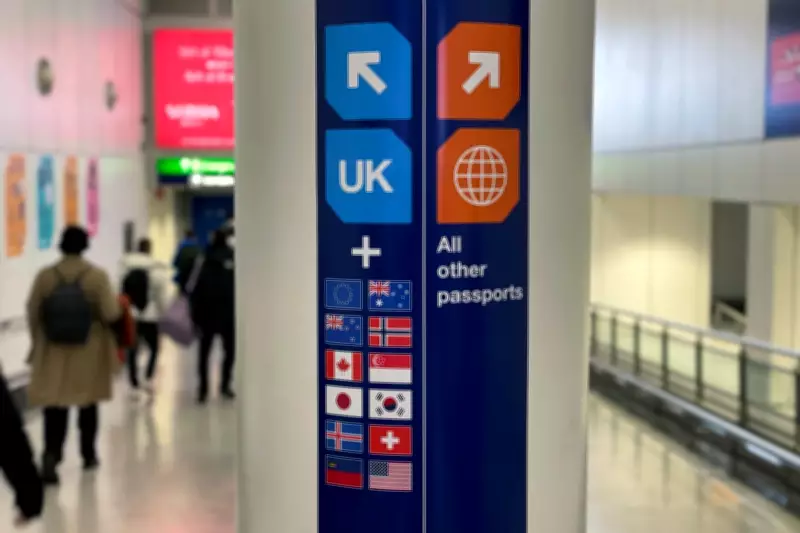
Currently, British citizens who hold dual nationality can use their foreign passport to enter and exit the UK. However, starting 25 February 2026, this option will no longer be available. The Home Office mandates that British people with citizenship in a second country must travel to the UK using one of the following documents: a valid British passport, a valid Irish passport, or any other valid passport accompanied by a certificate of entitlement. This change aims to streamline border controls and reduce confusion over immigration status.
Why Are These Changes Being Implemented?
The introduction of the UK's electronic travel authorisation (ETA) system is a key driver behind the new rules. At present, individuals with passports from non-visa nations, such as EU member states, Australia, Canada, and the US, can enter the UK for up to six months without formalities. This has made it difficult for authorities to distinguish between overstayers and British citizens using foreign passports. The ETA, required for all foreign visitors except Irish nationals, seeks to eliminate this ambiguity. However, British or Irish dual citizens cannot obtain an ETA, creating a potential gap for those without proof of citizenship.
Full enforcement of the ETA system begins on 25 February 2026, though it has been in theory since 2 April 2025. Without a UK passport or certificate of entitlement, dual nationals risk being denied boarding by airlines and shipping operators, as they will have no legal way to demonstrate their right to enter the UK.
Options for UK Dual Nationals
Dual nationals have several options to comply with the new regulations. The most cost-effective choice is to obtain a British passport, which costs £94.50 and typically takes about three weeks to process in the UK, though longer for those living abroad. Alternatively, a certificate showing right of abode can be attached to a foreign passport, but this comes at a steep price of £589 and requires completing Form ROA.
In emergencies, travellers can apply for an emergency travel document, valid for a single trip to the UK and costing £125. This provides a temporary solution for those unable to secure a passport in time.
Special Considerations and Practical Advice
For individuals born abroad who are British citizens by descent, the rules apply strictly, requiring a passport or certificate before travel. However, in practice, many may not declare this and apply for an ETA without issues, though success is not guaranteed. Data expert Dr Nick Brown highlights potential complications, such as families where children's British citizenship is discovered at border checks, leading to false declaration accusations.
When returning to a country of residence, using a foreign passport is recommended, as there are no passport checks when departing the UK. Airlines may have varying policies on document usage, so travellers should verify details during check-in or contact carriers directly to avoid complications.
Travel Before the Deadline and Broader Context
Until 24 February 2026, dual nationals can still use valid foreign passports to enter the UK without an ETA or certificate, and they may stay beyond that date if already in the country. The ETA system is part of a broader effort to create a more streamlined and secure digital immigration process, according to the government.
Irish passport holders remain in an advantageous position, enjoying free travel between the UK, EU, and Schengen area without additional documentation, even as the Etias permit becomes mandatory for British travellers in the future.
This article is regularly updated to reflect the latest information on UK travel regulations for dual citizens.