Somali Americans in Ohio Face Fear Amid ICE Operations and Rightwing Harassment
In Columbus, Ohio, the Somali American community is grappling with a climate of fear and intimidation following targeted actions by federal immigration authorities and rightwing activists. This unsettling situation has left many residents, including business owners, feeling vulnerable and apprehensive about their safety and livelihoods.
Early Morning Intimidation and Break-Ins
The tension escalated in late December when individuals began circling the 161 Child Care facility in Columbus as early as 6 a.m. They parked outside the Somali-owned daycare, shouting threats such as, "We're exposing all of you. Every single one of you, you're all going back." The situation worsened on New Year's Day with a break-in at the facility, leaving owners like Abukar Mohammed devastated. "I never thought that in America there would be racial things, that this could happen in America. I was shocked," Mohammed expressed, highlighting the emotional toll on the community.
Operation Buckeye and Political Rhetoric
This harassment coincided with former President Donald Trump's repeated use of racist language against Somali Americans in December, where he claimed, "the Somalis are ripping off the country." Shortly after, Immigration and Customs Enforcement (ICE) launched "Operation Buckeye," described as an effort to target "the worst of the worst criminal illegal aliens in Columbus and throughout Ohio." The operation has led to ICE agents appearing near Somali-owned businesses and schools, exacerbating fears within the immigrant community.

Impact on Businesses and Schools
Rightwing influencers, including leaders from Turning Point USA, have amplified the intimidation by targeting Somali establishments. As a result, many businesses have seen a decline in customers, and some schools have closed due to low attendance driven by the presence of federal agents and anti-immigrant provocateurs. The Columbus Somali community, numbering around 60,000 people, is now struggling to recover from these disruptions. Mohammed shared, "I'm scared to go outside. They drive around, they cuss, they say bad stuff."
Allegations and Political Responses
Influencers have accused Somali-run daycare and childcare facilities in Columbus of fraudulent activities and misuse of government funds. Ohio contributes to funding approximately 5,200 childcare facilities statewide. In December, Ohio's Republican Governor Mike DeWine noted that public tips led to the shutdown of 12 programs, or 0.2% of state-funded facilities. While the 161 Child Care facility passed state inspections last fall, it was not operational during the intimidation campaign sparked by Trump's comments.
Unlike Minnesota, where the Somali community receives support from a Democratic-led government, Ohio has seen rightwing politicians target immigrant groups. Two Republican representatives have proposed a bill to install recording equipment in all state-funded childcare facilities. Additionally, Ohio's legislature is considering measures to enforce cooperation with ICE agents, contrasting with the Columbus city council's February 23 legislation banning local law enforcement from federal immigration enforcement without council approval.
Community Resilience and Broader Concerns
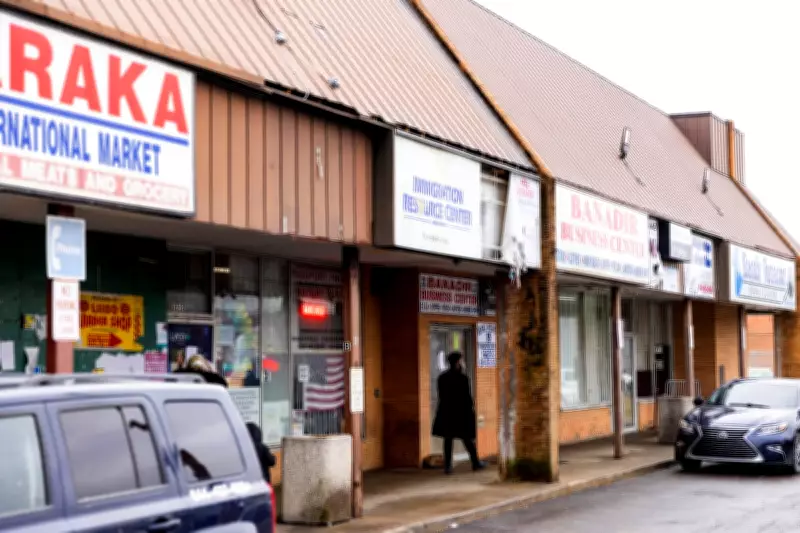
The Somali community in Columbus, established by refugees fleeing war in the 1990s, now includes many healthcare workers, distribution center employees, and an estimated 500 businesses concentrated north of downtown. Hassan Omar of the Somali Community Association of Ohio, who arrived in 1998, reported that the targeting extends beyond childcare facilities. He has received death threats and racist voicemails, such as "motherfucker, go back to Somalia," and the association's office has been harassed by rightwing influencers.

More broadly, the impending end of Temporary Protected Status (TPS) for an estimated 2,500 Somali nationals on March 17 adds to the anxiety. TPS was enacted in 1991, meaning some individuals have lived in the U.S. for over three decades. This termination occurs amid dire conditions in Somalia, including potential cuts to emergency food aid by the World Food Programme, acute hunger affecting over 6.5 million people, and a U.S. State Department "do not travel" warning due to security risks like terrorism and civil unrest.
Ongoing Struggles and Security Measures
Mohammed, who fled Somalia via South Africa in the early 2000s, has installed a new security system at his childcare center due to the harassment. He blames the presence of unidentified individuals in parking lots for customer shortages, stating, "I was already struggling financially to open this daycare." Kawther Musa, a Columbus community relations officer who left Somalia at age 15, emphasized the need for careful leadership, saying, "Hate speech and cyber harassment should be investigated seriously. At the same time, leaders must be careful not to inflame tensions."
As the community navigates these challenges, the combination of federal operations, political rhetoric, and activist harassment continues to cast a shadow over their daily lives, underscoring broader issues of immigration and tolerance in America.