

Skilled Workers Face UK Settlement Dream Shattered by Retroactive Visa Rule Changes
Skilled migrants who relocated to the United Kingdom under the promise of a five-year pathway to settled status now confront the devastating prospect of having that opportunity abruptly withdrawn. The government is considering retroactively doubling the baseline qualifying period for indefinite leave to remain to a decade, plunging thousands of families into profound uncertainty and emotional distress.
These individuals arrived in Britain with the explicit understanding that after five years of lawful employment and tax contributions, they would be eligible to apply for permanent residency. Many are mere months away from reaching this critical milestone when the proposed policy shift threatens to upend their carefully laid plans.
Personal Tragedies Amplified by Immigration Restrictions
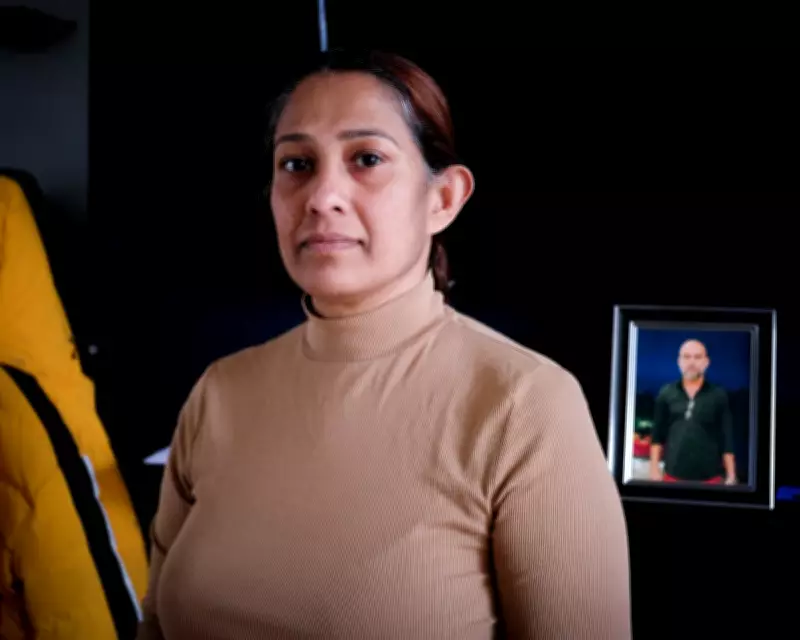
Kushani Suraweera's story epitomizes the human cost of these immigration constraints. She moved from Sri Lanka in October 2023 under the skilled worker pathway, taking a position as a senior care worker while her husband remained behind to care for relatives. Her children accompanied her and began their education in British schools.

Tragically, her husband died suddenly from a stroke in September 2024 while still in Sri Lanka. At that precise moment, the family's UK visas were undergoing renewal, making international travel potentially catastrophic for their immigration status.
"Leaving the UK would have risked disrupting our immigration status and my children's ability to remain with me," Suraweera explained. "As a result, I was unable to travel to attend my husband's funeral. This was an extremely painful experience for our family; particularly for my children, who were unable to say goodbye to their father according to our cultural traditions."
She described being left with a "lasting sense of guilt and unresolved grief," noting that her husband died alone in their former home. "Because I had moved to the UK to build our future under the skilled worker pathway, help reached him too late."
Families Confront Impossible Choices
Deepa Natarajan and her husband, Vinoth Sekar, face a different but equally heartbreaking dilemma. Approximately eight months from eligibility for settled status, their temporary immigration status currently prevents them from accessing certain fertility treatments they require.
If the qualifying period extends to ten years, Natarajan fears their opportunity to start a family may vanish entirely. "For us, this is not simply a policy change," she emphasized. "It directly affects one of the most personal aspects of our lives; our ability to start a family. After years of living and contributing to the UK, these uncertainties are already causing significant emotional and personal strain."
Both Suraweera and Natarajan are members of the Skill Migrants Alliance, which has indicated it will pursue legal action should the government implement these changes. The organization argues that retroactively altering settlement requirements constitutes changing the rules mid-game for people who relocated to Britain in good faith.
Political Context and Government Response
The proposed changes emerge amid political pressure on Home Secretary Shabana Mahmood following Labour's defeat in the Gorton and Denton byelection. Despite calls to moderate hardline immigration policies, Mahmood has vowed to proceed with the reforms.
James Theje Gunatilake, another skilled migrant from Sri Lanka, articulated the collective anxiety: "We arrived in the UK without extended family support and had to rebuild our lives from the beginning. We are not seeking special treatment. We simply want stability and a fair pathway forward after the sacrifices we have made to build a lawful life in the UK."
A Home Office spokesperson defended the proposed changes: "This government makes no apology for cutting net migration by 70% and tightening rules to restore control of the border. We have raised the skilled worker salary and skills thresholds to degree level and closed loopholes which enabled misuse of the immigration system."

The spokesperson added: "We are focused on ensuring people who come to the UK make a full contribution and give more than they take. This government is putting in place a structured, evidence‑led approach covering skills, migration and the wider labour market."
As consultations continue, skilled migrants across Britain wait with trepidation, their dreams of settlement hanging in the balance while they navigate the emotional and practical consequences of policies that could redefine their futures.





