In a significant escalation of the UK's border security strategy, officials will from Monday be granted new legal powers to seize mobile phones and SIM cards from individuals who arrive in the country via small boats. The government has stated this measure is a critical tool to dismantle people smuggling networks and ultimately save lives.
New Powers to Target Trafficking Gangs
The change, which came into effect on Monday, 6th January 2026, allows Border Force officers to confiscate devices and use specialist technology to download information from them. This data is intended to help identify and prosecute the criminal gangs organising the perilous Channel crossings. Officers will also have enhanced search powers to locate hidden SIM cards.
Martin Hewitt, the UK's Border Security Commander, welcomed the move, stating: "Criminal smuggling gangs facilitating illegal migration do not care if people live or die." He highlighted that since the launch of the Border Security Command, nearly 4,000 disruptions against these networks have occurred, ranging from cash seizures to convictions of major kingpins.
Closing Legal Loopholes and Expanding Offences
This legislative shift addresses a previous legal setback. Under the prior government, the Home Office was found to have acted unlawfully by seizing phones from small boat arrivals following a High Court challenge. The new powers provide a clear legal foundation for such actions.
The crackdown extends beyond phone seizures. From the same date, anyone found moving or storing equipment like boat engines for use in people trafficking now faces up to 14 years in prison. Furthermore, criminals caught researching or plotting illegal migration operations can be jailed for up to five years.
Borders Minister Alex Norris said: "We promised to restore order and control to our borders which means taking on the people smuggling networks behind this deadly trade. These operational measures sit alongside sweeping reforms to the system, to make it less attractive for migrants to come here illegally and remove and deport people faster."
The Ongoing Challenge of Channel Crossings
The government continues to grapple with small boat crossings as a major policy challenge. Recent data shows the scale of the issue: 41,472 people made the journey in 2025, a 13% increase from the 36,816 recorded the previous year. While this figure remains below the 2022 record of 45,774, it represents a massive rise from the 299 arrivals noted in 2018.
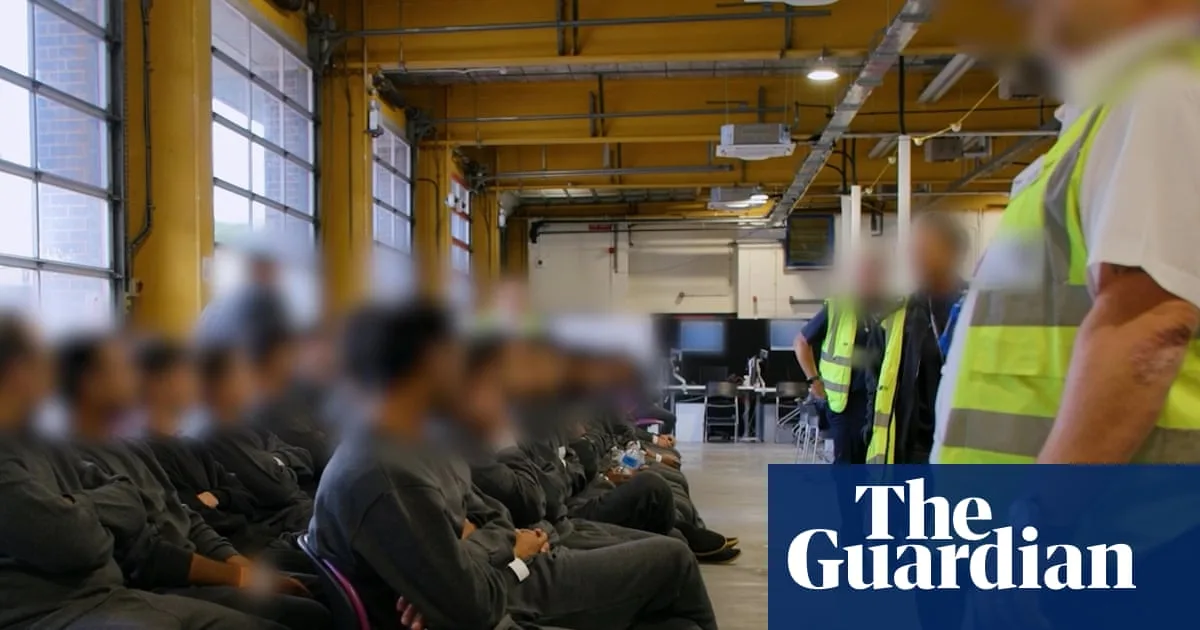
Tragically, it is estimated that 36 people lost their lives attempting to reach the UK last year. The initial implementation of the phone seizure protocol will begin at the Manston immigration processing facility in Kent, with the government hoping the intelligence gathered will lead to more effective disruptions of smuggling operations and prevent further loss of life.




