Mossdale Cave Tragedy: Six Friends Drowned in Britain's Deadliest Caving Disaster
Mossdale Cave Tragedy: Britain's Deadliest Caving Disaster

The Mossdale Cave Tragedy: Britain's Deadliest Caving Incident

On June 24, 1967, a group of friends embarked on a caving expedition in the Mossdale Caverns of the Yorkshire Dales, only to meet a horrific fate that would become the most deadly incident in British caving history. What began as an adventurous journey into the underground passages ended in tragedy when a violent flood trapped and drowned six of the cavers, leaving a lasting impact on the community and safety regulations.

The Fatal Expedition

A total of ten cavers entered the Mossdale Caverns that day, but four decided to turn back early, leaving six to continue exploring the intricate, water-filled passages. Among those who exited was Morag Forbes, who later returned to the entrance only to find it completely submerged by rising water. In a state of shock, she realized her friends were still inside and ran over two miles across the moor to raise the alarm.

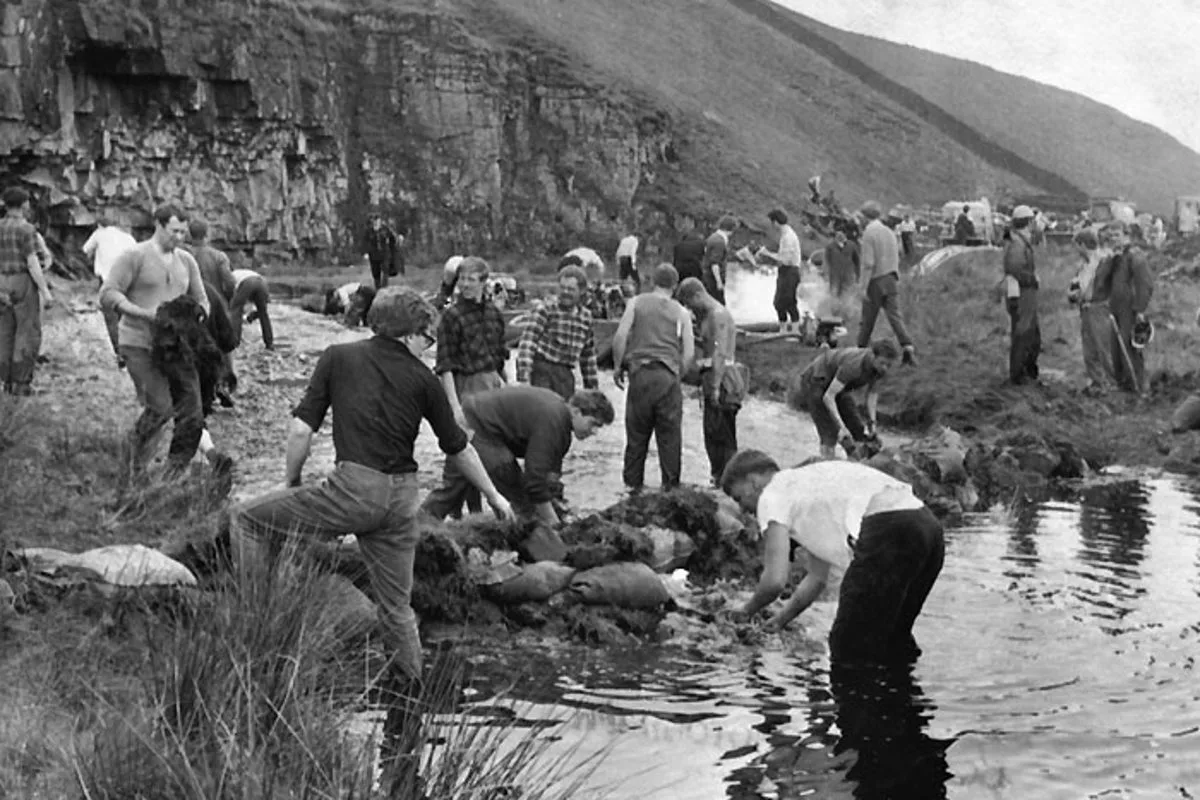
The rescue effort quickly escalated into the largest ever mounted in Britain, involving more than 300 people from the Upper Wharfedale Fell Rescue Association and the Cave Rescue Organisation. Despite their expertise, the height of the water prevented even trained rescuers from entering the cave initially.

The Rescue Operation and Its Aftermath

In a desperate attempt to save the trapped cavers, rescuers dug a trench to divert the waters of Mossdale Beck away from the entrance. However, by the time the water levels receded, it was too late. Rescuers could not enter until the following day, when they discovered five bodies: David Adamson, Michael Ryan, Jeff Barton, Phil Whitham, and Ian Lawson. The sixth caver, John Ogden, was found later in a small rift near the 'far marathon' section of the cave, after research led by Brian Boardman.

Michael Melvin, a fellow caver, vividly described the rescue scene on his blog, noting the dedication of over two hundred cavers working tirelessly through the night. He reflected, "What a fine bunch of people; if I had have been down there stuck, they would have been doing the same for me."

Legacy and Memorials

Due to the dangerous conditions, the coroner initially advised leaving the bodies in situ and sealing the cave. However, four years later, the families reached an agreement to have the bodies moved and buried by their colleagues in a chamber above flood level within the mud caverns.

Today, the Mossdale Caverns are no longer open to the public and are classified as Grade 5 dangerous, primarily because of their water-filled passages. In memory of the six explorers, a memorial plaque has been placed above the entrance on the cliff, and a cairn on the moors marks the spot where their bodies rest, inscribed with: "Mossdale memorial cairn – over the place in the cave where the bodies were found."

This tragic event, nearly 60 years later, remains a somber reminder of the risks associated with caving and the importance of safety precautions in extreme environments.