Shabana Mahmood's Immigration Reforms Spark Labour Party Clash
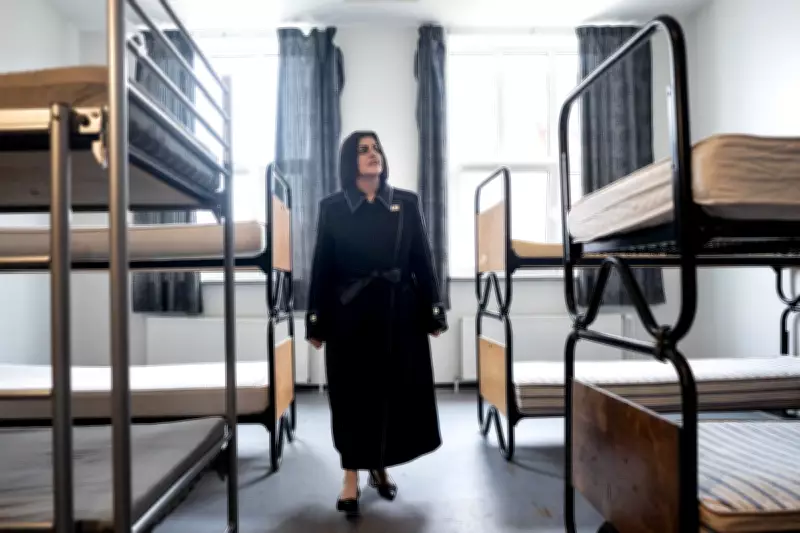
Home Secretary Shabana Mahmood is pressing ahead with what she describes as "existential" immigration reforms for Britain, implementing immediate changes while preparing legislation for more draconian measures. Inspired by a recent visit to Denmark, these policies could set her on a collision course with Labour backbenchers and Reform UK opponents alike.
Immediate Changes to Refugee Status
From today, significant changes take effect for asylum seekers in Britain. Previously, those granted refugee status received five years of leave to remain, with eligibility for permanent residence and citizenship afterward. Now, even refugees accepted as genuine will receive only temporary protection.
Key changes include:

- Cases must be reviewed every 30 months
- Refugees may be required to return to their countries of origin if deemed safe
- Only unaccompanied children are exempt from these new requirements
Future Legislative Plans
Mahmood plans to introduce a bill that would dramatically extend the path to permanent residence. Economic migrants would need to wait ten years instead of five, while refugees could face a twenty-year requirement. Additional criteria would include:
- A clean criminal record
- English language proficiency at A-Level standard
- Sustained National Insurance contributions
- No UK debt
Even those granted permanent resident status might not qualify for benefits, which would be reserved for full British citizens.
Motivations Behind the Reforms
Mahmood cites multiple reasons for these sweeping changes. The anticipated "Boris wave" of arrivals could bring 1.6 million people to Britain between 2026 and 2030, peaking at 450,000 in 2028 alone—approximately four times recent annual averages. She aims to prevent this influx.
Electoral considerations also play a role, with Reform UK and public concern about border control influencing policy direction. Mahmood has embraced arguments that reducing migration could improve race relations, though this remains uncertain. Her admiration for Denmark's Social Democrat government, which successfully reduced migration through drastic measures, has directly inspired aspects of her approach.
"It will be less attractive for illegal migrants to come to our country," Mahmood stated, adding that it would "change the calculus in the minds of the people about to get on a boat."
Political Opposition and Practical Concerns
The proposed legislation faces significant hurdles. Approximately forty Labour MPs have publicly criticized Mahmood's ideas as "un-British," with many expressing deep moral objections to creating what they see as a second-class status for migrants.
Critics argue these "Reform Lite" proposals won't win back Green voters or attract Reform UK supporters. Practical concerns include exacerbating Britain's skills shortage, particularly in the care sector that relies heavily on immigrant workers.
Integration Contradictions
The reforms present potential contradictions regarding integration policy. Making it harder for migrants to settle permanently, buy homes, and raise families with confidence about their future in Britain could foster exclusion rather than inclusion.
Long-term migrants might question why they're treated more harshly than British passport holders regarding benefits access, despite potentially contributing more through taxation. This raises fundamental questions about fairness—a value frequently cited as central to British identity.
Mahmood's Thursday speech will provide clearer details about her implementation plans and the level of resistance she anticipates. The coming months promise intense parliamentary battles over Britain's immigration future.