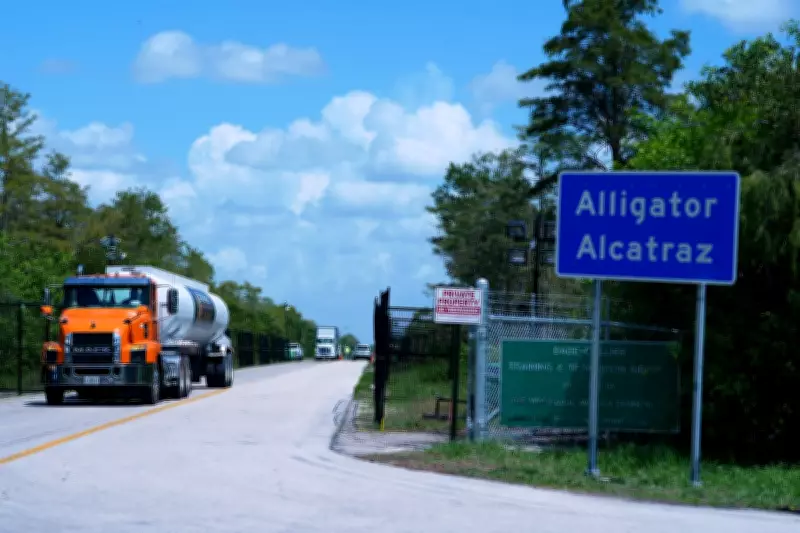
Attorneys representing detainees at a state-run immigration detention facility in the Florida Everglades, colloquially known as "Alligator Alcatraz," stated on Thursday that significant obstacles persist in accessing their clients. This declaration comes in direct contradiction to state assertions that previous barriers have been effectively removed.
Legal Filings Detail Communication Hurdles
Two lawyers submitted formal statements to a federal court in Fort Myers, Florida, outlining the ongoing challenges. Their filings reveal that detainees remain unable to contact their legal representatives using staff cellphones, a method previously testified as available. Furthermore, the attorneys themselves are prohibited from making unannounced visits to the remote facility, severely limiting spontaneous legal consultation.
Judge's Ruling Awaited on Equal Access Request
U.S. District Judge Sheri Polster Chappell is currently deliberating on a critical motion from the detainees. The request seeks to guarantee the same level of attorney access afforded to individuals in federally-operated detention centres. A ruling has not yet been issued, leaving the legal standing of the facility's protocols in limbo.

The Florida Department of Emergency Management, the state agency responsible for overseeing the detention centre, did not respond to requests for comment on Thursday regarding these new allegations.
Background of the 'Alligator Alcatraz' Facility
The Everglades detention centre was constructed rapidly last summer at a remote airstrip location. This initiative was spearheaded by Republican Governor Ron DeSantis's administration, framed as support for former President Donald Trump's stringent immigration policies. Florida has since established a second, similar immigration detention facility in the northern part of the state.
Lawsuit Alleges Constitutional Violations
A lawsuit filed by former detainees from the Everglades site makes serious constitutional claims. The plaintiffs argue their First Amendment rights have been violated due to restrictive access policies. Specific grievances include a mandatory three-day advance appointment system for attorney visits, unlike other facilities allowing walk-ins during visiting hours.
Additionally, the lawsuit claims detainees are frequently transferred to other locations just before scheduled legal meetings, effectively nullifying access. The plaintiffs also cite excessive scheduling delays that have prevented critical, time-sensitive consultations with legal counsel ahead of important deadlines.
State and Federal Defendants Dispute Allegations
State officials named as defendants in the ongoing litigation have formally denied any intentional restriction of detainees' access to attorneys. They attribute any logistical challenges to legitimate security concerns and staffing limitations at the remote facility.
Federal defendants, also party to the case, have similarly rejected the assertion that detainees' First Amendment rights have been infringed upon. The case continues to highlight the tension between immigration enforcement operations and the guaranteed legal rights of detainees.