Final Detainee from Trump-Era Campus Protest Crackdown Gains Freedom
The last individual remaining in immigration detention following the Trump administration's 2025 crackdown on pro-Palestinian campus activists has been released after spending a full year in custody. Leqaa Kordia, a 33-year-old Palestinian woman from the West Bank who has resided in New Jersey since 2016, was freed on Monday according to statements from her legal team.
Detention and Medical Complications
Kordia had been held at the Prairieland Detention Center south of Dallas, Texas since her arrest on March 13, 2025 during a routine check-in with U.S. Immigration and Customs Enforcement in New Jersey. Her detention followed the Trump administration's controversial use of immigration enforcement powers against noncitizens who had criticized or protested Israel's military actions in Gaza. Many of those targeted were students and scholars at American universities.
During her confinement, Kordia's health deteriorated significantly. She was recently hospitalized for three days after suffering a seizure, which occurred when she fainted and struck her head at the privately operated detention facility. Her attorneys emphasized at a Friday hearing that she has a neurological condition that worsened while in custody, elevating her risk of further seizures.
Legal Proceedings and Family Relief
An immigration judge had ordered Kordia's release on bond three separate times. While the government successfully challenged the first two rulings, they declined to contest the third order, leading to her Monday release. "We are overwhelmed with relief and gratitude at the release of our beloved Leqaa Kordia," stated Hamzah Abushaban, Kordia's cousin, in a declaration from her lawyers. "This past year has taken an unimaginable toll on Leqaa and our entire family."
Immigration Judge Tara Naslow, who presided over the case, noted the evidentiary imbalance during proceedings. "I've heard testimony. I've seen thousands of pages of evidence presented by the respondent, and very little evidence presented by the government in any of this," Naslow remarked. Despite this, Anastasia Norcross, an attorney representing the Department of Homeland Security, maintained the government's opposition to Kordia's release regardless of bond conditions.
Background and Context of Arrest
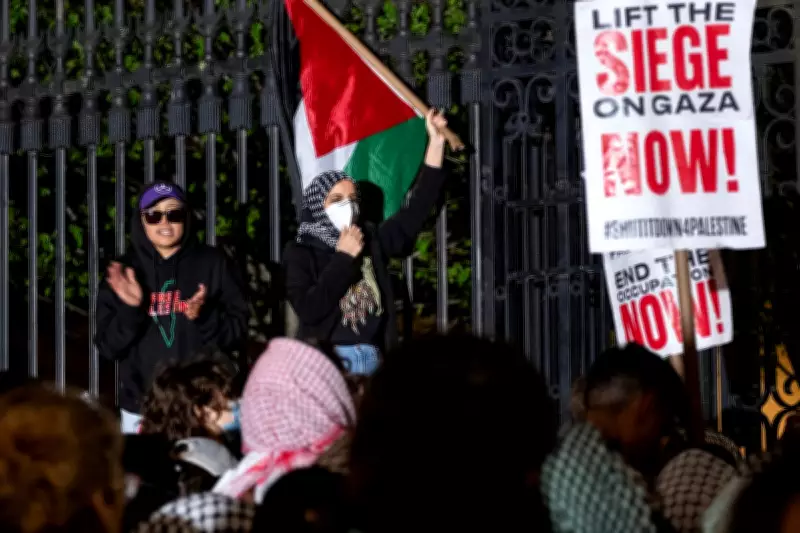
Kordia was among approximately 100 individuals arrested outside Columbia University during 2024 protests at the institution. She explained her participation in the demonstration as a response to Israel's military actions in Gaza, which resulted in the deaths of numerous relatives. "My way of helping my family and my people was to go to the streets," she told The Associated Press in October.
Although charges related to her protest involvement were dismissed and sealed, information about her arrest was subsequently provided to the Trump administration by the New York City Police Department. Authorities indicated the records were requested as part of a money laundering investigation. Federal officials have accused Kordia of overstaying her visa while examining payments she sent to relatives in the Middle East. Kordia maintained these funds were intended to assist family members suffering during the conflict, and an immigration judge found "overwhelming evidence" supporting her account.
Broader Crackdown and Public Attention
Kordia's case represents part of a wider pattern of arrests targeting campus activists critical of Israel's military operations. Among those detained was Mahmoud Khalil, a former Columbia University graduate student who spent three months in a Louisiana immigration jail before being released last year. While arrests of campus activists like Khalil generated condemnation from elected officials and advocacy groups, Kordia's situation received limited public attention as she was neither a student nor affiliated with organizations that might have provided support.
Her attorneys argued successfully that she could reside with U.S. citizen family members and did not present a flight risk. The resolution of her case marks the conclusion of detention proceedings stemming directly from the 2025 enforcement actions, though broader questions about the use of immigration powers against political protesters remain unresolved.