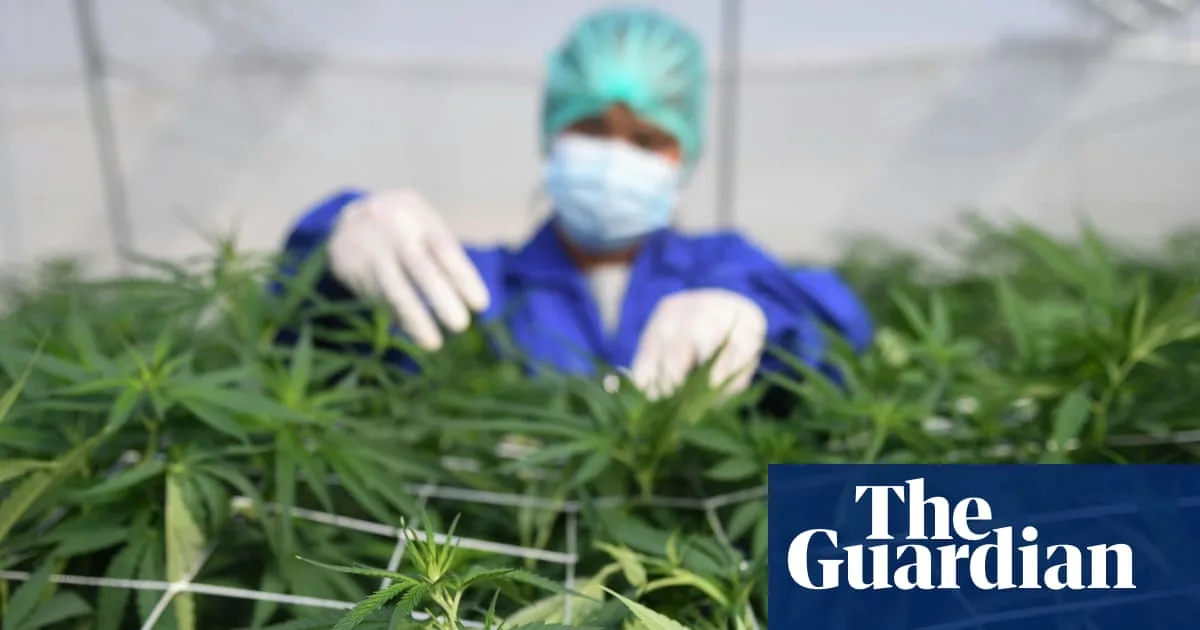
Medicinal Cannabis Ineffective for Anxiety and Depression, Landmark Study Warns
Medicinal Cannabis Ineffective for Anxiety and Depression

Experts have issued a stark warning that medicinal cannabis, prescribed to thousands of Britons for mental health conditions like anxiety and depression, may be ineffective and potentially harmful. This alert follows a landmark study published in The Lancet Psychiatry, which analysed 54 clinical trials spanning 45 years and found no evidence supporting its use for anxiety, depression, or post-traumatic stress disorder.

Private Clinics Under Scrutiny

While NHS prescriptions for medicinal cannabis remain tightly controlled and limited to rare conditions, dozens of private clinics are distributing the drug after just one video consultation. These clinics often promise next-day delivery directly to patients' doors, raising concerns that vulnerable individuals are being given powerful drugs without adequate evidence of efficacy.

Lead author Dr Jack Wilson from the University of Sydney's Matilda Centre emphasised that cannabis medicines could do more harm than good. He noted risks include increased psychotic symptoms, cannabis dependence, and delays in receiving more effective treatments. 'While medicinal cannabis may help some conditions such as epilepsy or chronic pain, the evidence for depression, anxiety or PTSD is extremely weak, and patients should be cautious,' he stated.

Rising Prescription Numbers

Freedom of Information data reveals a dramatic surge in private prescriptions. In the first two months of 2025 alone, 88,214 unlicensed cannabis products were prescribed privately. Overall, 659,293 prescriptions were issued in 2024 – equivalent to almost ten tons of cannabis – up from 282,920 in 2023, according to the NHS Business Services Authority.

Data from Mamedica, one of the UK's largest private clinics, shows that 50.5 per cent of its over 12,000 patients are prescribed cannabis for mental health conditions. Some clinics even offer free consultations or discounted prescriptions for benefits claimants, further facilitating access.

High-THC Products and Safety Concerns

The study highlighted that most clinical trials used oral formulations under supervision, which differ significantly from the high-THC strains supplied by private clinics. Dozens of specialist pharmacies now offer strains with THC content above 30 per cent, with the total volume prescribed jumping from 2.7 million grams in 2022 to 9.8 million grams in 2024. Products above 22 per cent THC accounted for almost half of all prescriptions in early 2025.

Sir Robin Murray, professor of psychiatric research at King's College London, warned: 'There are no randomised controlled trials showing that cannabis benefits psychiatric disorders and a lot of evidence that it causes them. It's a bit like taking alcohol for depression – some people find it helps in the short term, but in the long term it makes things worse.'

Potential Side Effects and Tragic Cases

The NHS lists hallucinations and suicidal thoughts among the possible side effects of medical cannabis. Earlier this year, the family of Oliver Robinson, a 34-year-old ex-property developer from Bury, Greater Manchester, claimed medical cannabis contributed to his death. After one video consultation with a private clinic, he developed a £1,000-a-month addiction and an 18-month spiral that ended tragically.

Mr Robinson had previously battled depression, anxiety, bipolar disorder, and suicidal thoughts, receiving NHS treatment including antidepressants before turning to online-prescribed cannabis.

What is Medical Cannabis?

Medical cannabis refers to any cannabis-based medicine used to relieve symptoms. While some products like CBD oil are legally available as food supplements, specific cannabis-based products are only available on prescription as medicinal cannabis. The NHS notes these are likely to benefit only a very small number of patients, such as those with rare, severe forms of epilepsy, chemotherapy-induced nausea, or multiple sclerosis-related muscle stiffness, and only when other treatments are unsuitable.

Experts urge caution, emphasising that the evidence for mental health applications is weak and that patients should seek proven treatments to avoid potential harm and delays in effective care.




