Labour Rebels Threaten Parliamentary Vote Over Immigration Reforms
Labour Rebels Threaten Vote on Immigration Reforms

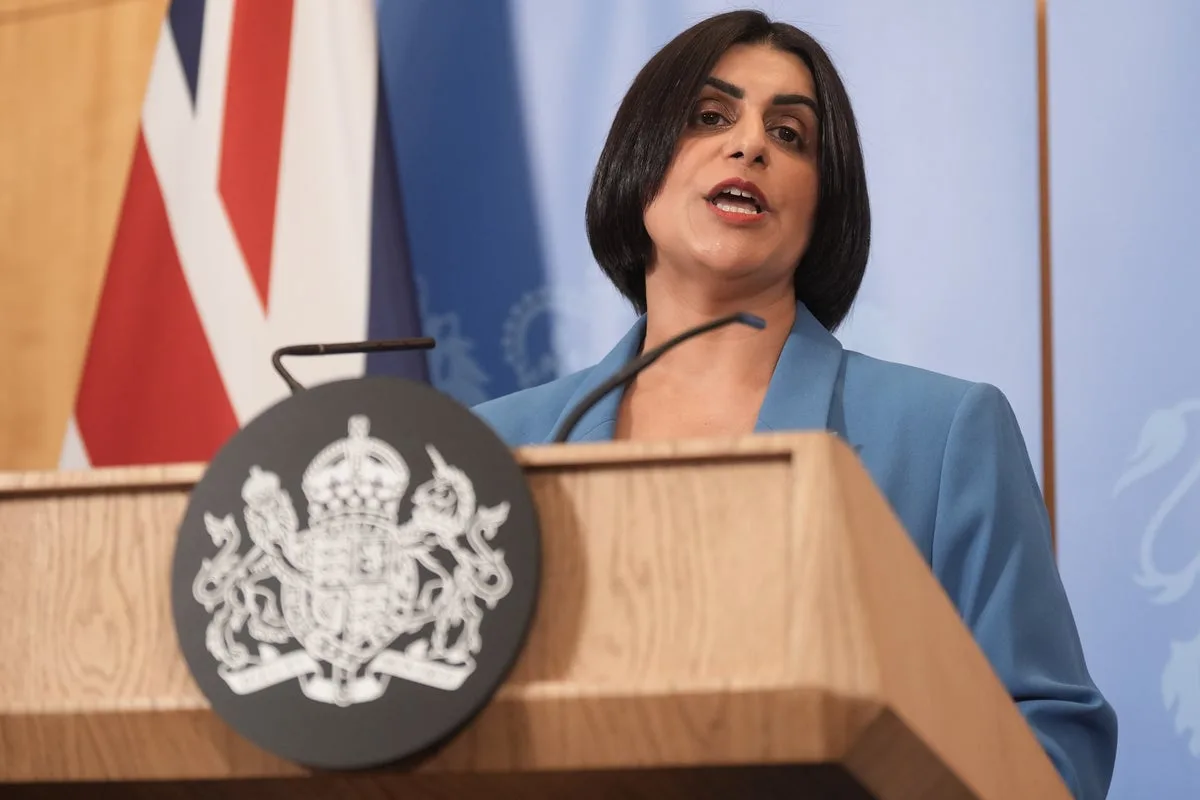
Labour rebels are escalating their internal conflict with Sir Keir Starmer by threatening to force a parliamentary vote over the Government's controversial immigration reforms. The dissenting MPs aim to trigger a symbolic division on Home Secretary Shabana Mahmood's proposal to double the qualification period for indefinite leave to remain (ILR) from five to ten years.

High-Profile Criticism and Retrospective Application

Former deputy prime minister Angela Rayner has emerged as the most prominent critic of the policy, labelling it 'un-British' and accusing the Government of 'moving the goalposts'. She argued that such retrospective changes undermine Britain's fundamental sense of fair play. The proposals would apply retrospectively to migrants already residing in the UK, potentially affecting approximately 2.2 million people who have arrived since 2021.

Parliamentary Procedure and Internal Labour Debate

According to BBC reports, critics within the Labour benches are preparing to invoke a rarely used parliamentary procedure to force a symbolic vote on these measures in the coming months. Communities Secretary Steve Reed acknowledged there is a 'robust' debate occurring within Labour regarding this immigration policy, while simultaneously emphasising that the party was elected on a manifesto commitment to reform the immigration system.

Wide Pickt banner — collaborative shopping lists app for Telegram, phone mockup with grocery list

'At the general election, Labour promised to bring in an immigration system that works for Britain but is also fair to those who may be seeking asylum from wars or other horrific incidents that are happening abroad,' Reed stated. 'The Home Secretary has announced what she would like to do. She said at the time that we would consult on those changes, and we're currently going through that consultation.'

Concerns Over Retrospective Changes and Economic Impact

A particular concern among Labour MPs focuses on the retrospective nature of the ILR timetable changes. Many migrants already in the UK had expected to receive permanent settlement under the existing five-year qualification period. Rayner reinforced this point on Tuesday, stating: 'We cannot talk about earning a settlement if we keep moving the goalposts, because moving the goalposts undermines our sense of fair play. It's un-British.'

Despite the mounting opposition, allies of Home Secretary Shabana Mahmood confirmed this week that she remains committed to implementing the plan, which is scheduled for introduction later this year. However, Downing Street has indicated potential flexibility, suggesting it is examining 'transitional arrangements' that could allow some recent migrants who have contributed significantly to the economy and society to wait considerably less than the proposed ten years.

Political Calculations and Financial Implications

Any attempt to dilute these immigration reforms could potentially cost British taxpayers billions in increased welfare payments. Meanwhile, Shadow Home Secretary Chris Philp revealed that the Conservative Party stands ready to support the Government if the Prime Minister demonstrates willingness to confront Rayner and the dissenting Labour MPs. 'Although we would go further, these changes are a step in the right direction,' Philp commented, highlighting the complex political dynamics surrounding this contentious immigration policy.

Pickt after-article banner — collaborative shopping lists app with family illustration