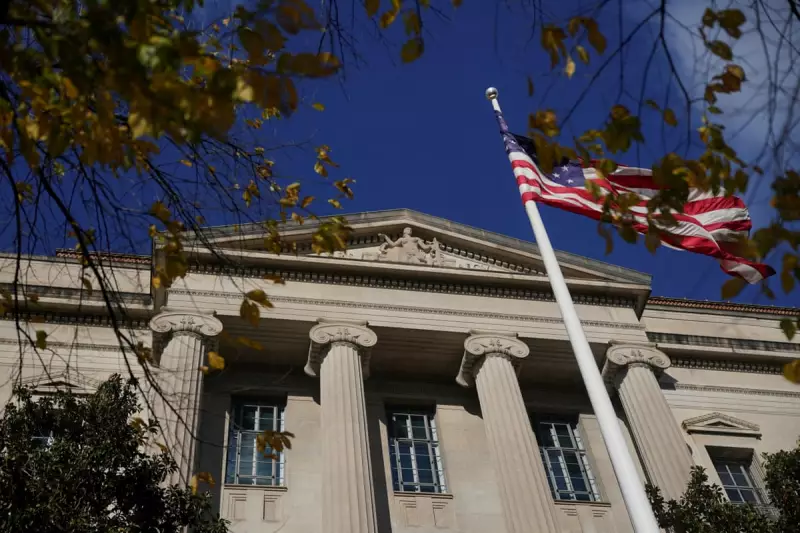
Two senior attorneys from the United States Department of Justice have dramatically resigned from their posts, citing profound ethical and professional concerns over the agency's handling of a fatal shooting involving Immigration and Customs Enforcement (ICE) officers in Minneapolis.
Resignations Follow Internal Dispute Over Investigation
The resignations, which occurred on Monday, involve lawyers from the department's Civil Rights Division. Their departure is a direct protest against what they perceive as a failure to adequately pursue potential federal civil rights charges related to the incident. The shooting, which took place in the summer of 2025, resulted in the death of a man during an ICE enforcement operation.
The attorneys submitted formal resignation letters expressing "deep concerns" about the direction and conclusions of the internal review. They argued that the evidence gathered warranted a more aggressive approach from federal prosecutors, potentially leading to criminal charges against the officers involved. Their decision to step down underscores a significant rift within the department on how to address allegations of excessive force within federal law enforcement agencies.
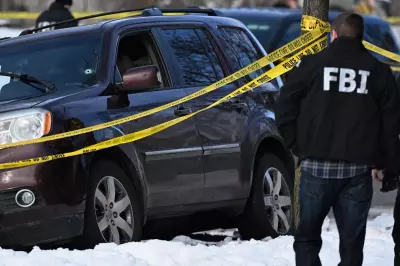
Details of the Minneapolis ICE Incident
The focal point of the controversy is an operation carried out by ICE officers in Minneapolis in July 2025. According to official statements and local reports, the officers were attempting to arrest an individual when a confrontation ensued. The situation escalated, leading an officer to discharge their firearm, fatally wounding the subject.
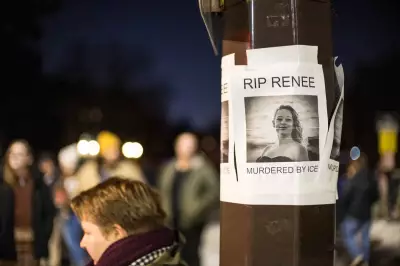
The incident sparked immediate outcry from community groups and immigration advocates in Minneapolis, who called for a transparent and thorough federal investigation. The DOJ's Civil Rights Division launched a review, a standard procedure when serious allegations are made against federal law enforcement personnel. However, the process has now been thrown into disarray with the resignations of key legal staff assigned to the case.
The resigning attorneys were reportedly dissatisfied with the perceived reluctance of senior officials to authorise charges, despite what they viewed as compelling evidence. This internal conflict highlights the ongoing challenges in holding federal agents accountable for use-of-force incidents.
Broader Implications for Accountability and Policy
The fallout from these resignations extends beyond a single case. It raises urgent questions about oversight and accountability mechanisms within federal immigration enforcement. Advocacy groups have long criticised ICE for a lack of transparency surrounding operations that result in injury or death.
This very public dissent from within the Justice Department itself is a rare occurrence and is likely to fuel further scrutiny. It places additional pressure on the Biden administration to clarify its stance on disciplining federal officers and could influence ongoing debates about ICE's powers and protocols.
The Department of Justice has acknowledged the resignations but has declined to comment on the specifics of an ongoing personnel matter. A spokesperson reiterated the department's commitment to "thoroughly reviewing all allegations of civil rights violations." Meanwhile, the Minneapolis community and national observers await the final outcome of an investigation now clouded by internal controversy.