Federal Judge Extends Halt on Maryland Warehouse Immigration Detention Centre
Judge Extends Pause on Maryland Immigrant Detention Warehouse

Federal Judge Extends Injunction on Maryland Warehouse Immigration Detention Plan

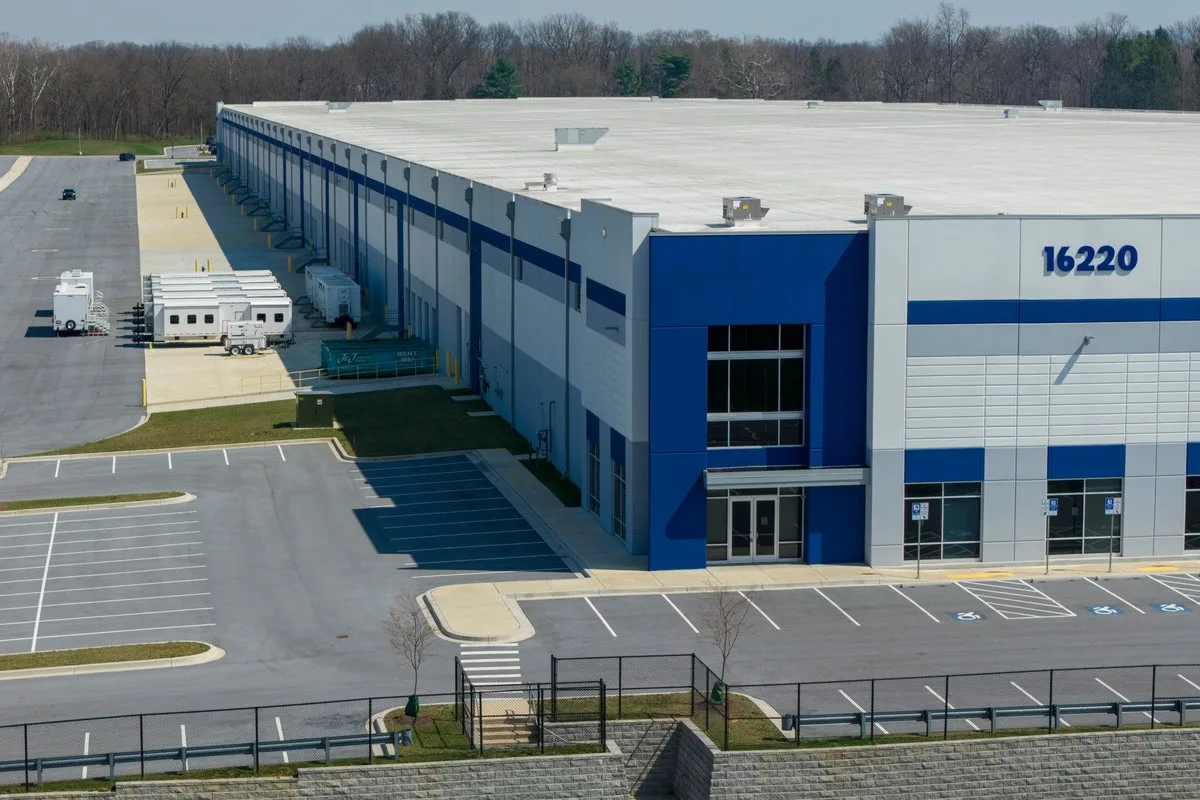
A federal judge has extended a pause on the transformation of a massive Maryland warehouse into a processing facility for immigrants, in a significant legal development that underscores nationwide opposition to such conversions. The ruling came on Wednesday, 15 April 2026, as federal immigration officials review a broader plan to house tens of thousands of individuals in converted industrial buildings across the United States.

Background and Purchase Details

The Department of Homeland Security acquired the 825,000-square-foot building near Hagerstown in Washington County, Maryland, in January for $102.4 million. This facility was intended to be among the first of 11 warehouses purchased nationwide to open, with a capacity to detain between 500 and 1,500 immigrants. However, the federal government has encountered fierce resistance from various communities, prompting Homeland Security Secretary Markwayne Mullin to reassess the warehouse strategy.

Legal Challenges and Environmental Concerns

Despite local officials in Washington County expressing unwavering support for DHS and Immigration and Customs Enforcement, the state of Maryland filed a lawsuit. The legal action alleges that the federal government failed to conduct mandatory environmental reviews before proceeding with the project. Specifically, the lawsuit points out that the building is situated in a flood plain and that public comment on the plans was not sought until over a month after the purchase was finalized.

Wide Pickt banner — collaborative shopping lists app for Telegram, phone mockup with grocery list

Several advocacy groups raised concerns before the public comment period closed on 5 March. Nevertheless, Immigration and Customs Enforcement, bolstered by a substantial congressional appropriation, awarded a $113 million contract for renovations the very next day, with completion targeted for 4 May.

Judicial Rulings and Government Response

In response to the legal challenge, a federal judge initially issued a short-term temporary restraining order to halt the retrofit work. Following a hearing on Wednesday, the judge agreed to a longer-term preliminary injunction. This injunction permits only limited activities, such as fence installation and heating and cooling work, until the case is resolved.

DHS issued a statement strongly disagreeing with the ruling, asserting, "Let’s be honest about what is happening. This isn’t about the environment. It’s about trying to stop President Trump from making America safe." In earlier court filings, the federal government indicated that ICE is reconsidering the plans and scope of the warehouse project.

Reactions from Maryland Officials and Community

Maryland Governor Wes Moore hailed the preliminary injunction as a "major and welcome step forward," while Attorney General Anthony Brown emphasized that it demonstrates "no one, not even the federal government, is above the law." State Delegate Matthew Schindler, who opposes the warehouse, commented in an interview with The Associated Press that the immigration officials' plan was "outpacing accountability," adding, "We don’t want to see our community compromised because corners were cut."

Broader Context and Community Activism

The Maryland lawsuit is one of three currently pending in federal court, with officials in other regions attempting to block similar warehouse conversions by citing inadequate water and sewage infrastructure. Kyle McCarthy of Hagerstown Rapid Response, a group opposing the project, noted, "Washington County has become basically ground zero for all these warehouse fights. We’ve helped show a blueprint for how other communities can fight and stop these from happening. We’ve been throwing sand in the gears at every possible moment."

This case highlights the ongoing tensions between federal immigration policies and local environmental and community concerns, setting a precedent for future disputes over the use of industrial spaces for detention purposes.

Pickt after-article banner — collaborative shopping lists app with family illustration




