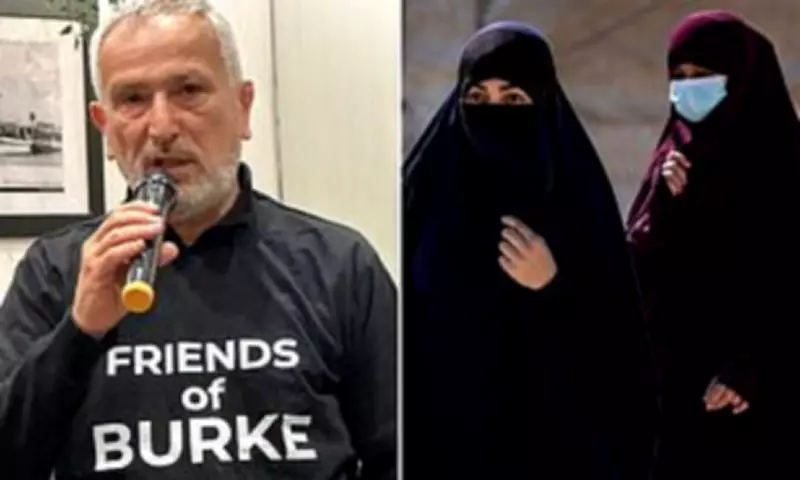
Australian Doctor's ISIS Bride Repatriation Mission Suspended Amid Regional Conflict
An Australian doctor's humanitarian efforts to repatriate ISIS brides and their children from a Syrian detention camp have been abruptly halted. The escalating conflict in Iran has created unsafe conditions, forcing a pause in the complex operation.
Dire Conditions in Al-Roj Camp
Western Sydney general practitioner Dr. Jamal Rifi, an Order of Australia recipient, has been attempting to bring 11 women and 23 children back to Australia from the Al-Roj detention camp in north-east Syria. The group has been living in the Kurdish-run facility since 2019, enduring what Dr. Rifi describes as "horrendous" conditions.
"The situation is very fluid, but I'm not actually doing anything in terms of repatriations right now, because it's not safe for them to be outside the camp," Dr. Rifi explained to news.com.au.

The doctor, who maintains only sporadic contact with the group using smuggled phones, painted a grim picture of their living situation. "They're on the edge of the desert. During the winter it's extremely cold. During the summer, it's extremely hot, and there are no greenery, nothing whatsoever. It's just dust and wind," he said.
The families reside in tarpaulin tents with children sleeping directly on the ground. Dr. Rifi expressed particular concern for the health of children aged six to thirteen, who have spent most of their lives in the camp.
Health Crises and Security Arguments
The children are suffering from multiple health issues according to Dr. Rifi:
- Panic attacks
- Chilblains
- Recurrent tonsillitis
- Asthma
- Sunstroke
- Various other medical conditions
Dr. Rifi argues that bringing the 34 Australian citizens home would be the safer option. "All the security experts are saying it is safer for them to be in Australia and monitored by all security agencies, rather than left there where nobody can monitor them," he stated.
Political Opposition and Government Stance
Prime Minister Anthony Albanese has taken a firm position against aiding the women's return. "I have nothing but contempt for the women who took their children into the Islamic State," he declared, adding that his government would not assist repatriation efforts.
When questioned about potential pre-election deals regarding the group's future, Albanese responded bluntly: "I call bulls**." While acknowledging preparations had been made for potential returns, he provided no specific details.
Opposition Leader Angus Taylor has accused the government of misleading Australians about their involvement in repatriation planning. "It's clear Home Affairs Minister Tony Burke has been up to his eyeballs in assisting the repatriation," Taylor claimed last week.
Legislative Proposals and Legal Questions
The coalition plans to introduce legislation in March that would criminalize assisting the repatriation of individuals who traveled to declared terrorist hotspots or committed terrorist offenses. Prime Minister Albanese questioned the proposal's constitutionality, stating "They themselves couldn't explain how that was constitutional."
Greens home affairs spokesperson David Shoebridge criticized the proposed legislation, calling it "a remarkable low" that would criminalize organizations like Save the Children Australia for helping Australian children return home.
Passport Issuance and Travel Barriers
Home Affairs Minister Tony Burke confirmed the 11 women had been issued Australian passports but maintained the government was not conducting official repatriation efforts or participating in Dr. Rifi's private mission. One woman was barred from entering Australia due to security concerns.
Dr. Rifi noted that the government's hardline rhetoric has created additional barriers. Syrian officials reportedly fear the women and children might be turned back by other countries during transit to Australia, preventing their departure from the refugee camp.

Legal experts suggest there may be few legal obstacles to the opposition's proposed legislation, though questions remain about whether criminalization represents the most effective approach to this complex humanitarian and security situation.