ICE's Warehouse Expansion: Converting Industrial Spaces into Immigrant Detention Camps
ICE Converts Warehouses into Immigrant Detention Camps Across US

ICE's Warehouse Expansion: Converting Industrial Spaces into Immigrant Detention Camps

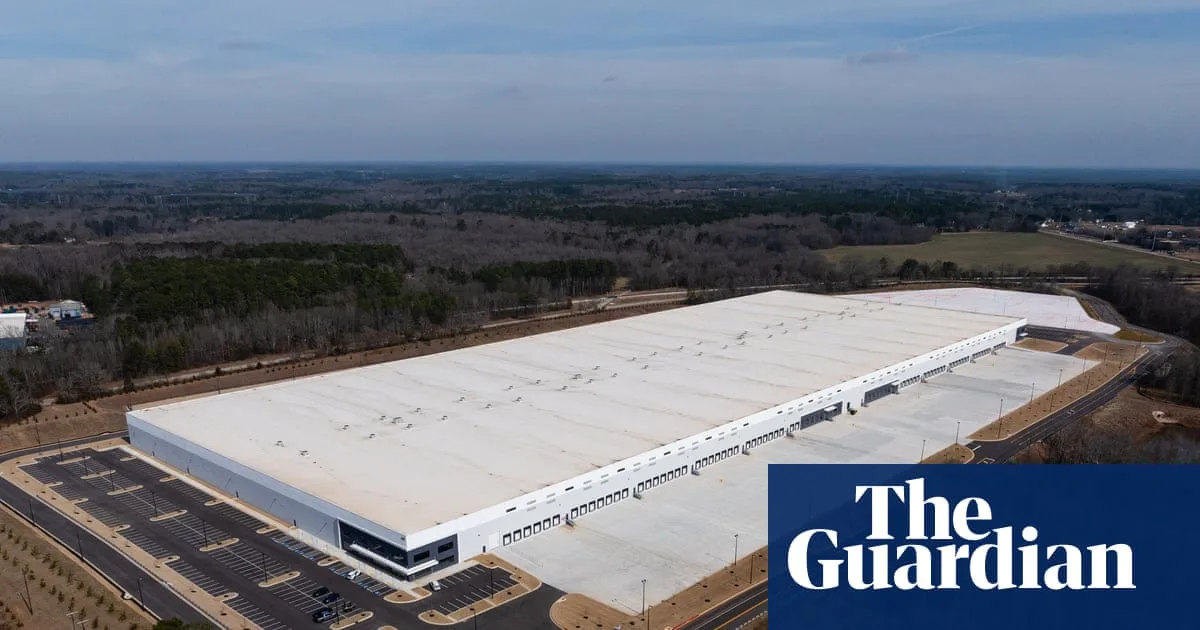
The Trump administration has embarked on a controversial initiative to acquire and repurpose large warehouses across the United States into detention camps for immigrants. These industrial facilities, originally designed for storing goods, are now being transformed to hold thousands of men, women, and children in conditions described as inhumane and degrading.

Massive Purchases and Inhumane Conditions

Recent acquisitions include a building in Surprise, Arizona, spanning the size of seven football fields, purchased for $70 million. In San Antonio, Texas, a 640,000-square-foot facility valued at $37 million was secured. Additional purchases in Upper Bern Township, Pennsylvania, for $87.4 million, and Williamsport, Maryland, for $102 million on a 54-acre plot, highlight the scale of this expansion. These warehouses, with their drafty, hard-floored, and high-ceilinged structures, are ill-suited for human habitation, yet ICE plans to house up to 9,000 people at a time in some locations.

ICE currently incarcerates approximately 70,000 individuals nightly across 224 detention facilities, a number that has nearly doubled in the past year. With $45 billion in funding from Congress, the agency aims to significantly increase this capacity. ICE Director Todd Lyons has likened the operation to "Amazon Prime, for human beings," emphasizing the rapid and efficient nature of these detentions.

Abuses and Lack of Oversight

Reports from existing detention centers, such as the tent facility in Fort Bliss, Texas, and "Alligator Alcatraz" in the Everglades, reveal unsafe and unsanitary conditions. Facilities like the Krome detention center in Miami and Dilley, Texas, have been criticized for housing traumatized and depressed children. Representative Joaquin Castro noted the severe psychological impact on young detainees after visiting Dilley.

Despite these concerns, the Department of Homeland Security has limited oversight by refusing congressional access to facilities, defying legal mandates. Journalists have faced restricted access, though some detainees have managed to communicate their plight. For instance, a captive at the Otay Mesa detention facility in California described widespread illness, inadequate food, and confinement in windowless rooms without access to nature, smuggling a note over the fence tied to a lotion bottle.

Local Resistance and Political Backlash

Communities near the newly purchased warehouses are organizing protests and legal challenges. In Maryland, Senator Chris Van Hollen joined protests against the Hagerstown camp, calling it part of a "cruel and inhumane immigration agenda." Salt Lake City Mayor Erin Mendenhall warned warehouse owners that ICE use would violate local ordinances, condemning the agency's operations as "utterly deplorable."

In Kansas City, a viral video of federal officers harassing county legislator Manny Abarca led to a six-year moratorium on detention facility approvals. Even some Republicans, like Oklahoma City Mayor David Holt and Senator Roger Wicker of Mississippi, have opposed the camps, citing community concerns and economic strain rather than humanitarian principles.

A Growing Network of Concentration Camps

By definition, these facilities meet the criteria of concentration camps, detaining large numbers of people under armed guard. The Trump administration's expansion aims to intensify this network, with critics warning of inevitable mass illness, abuse, immiseration, and death. As resistance grows, the administration faces increasing pressure to halt this project, relying on public deference but finding instead a nation unwilling to accept such policies in silence.




