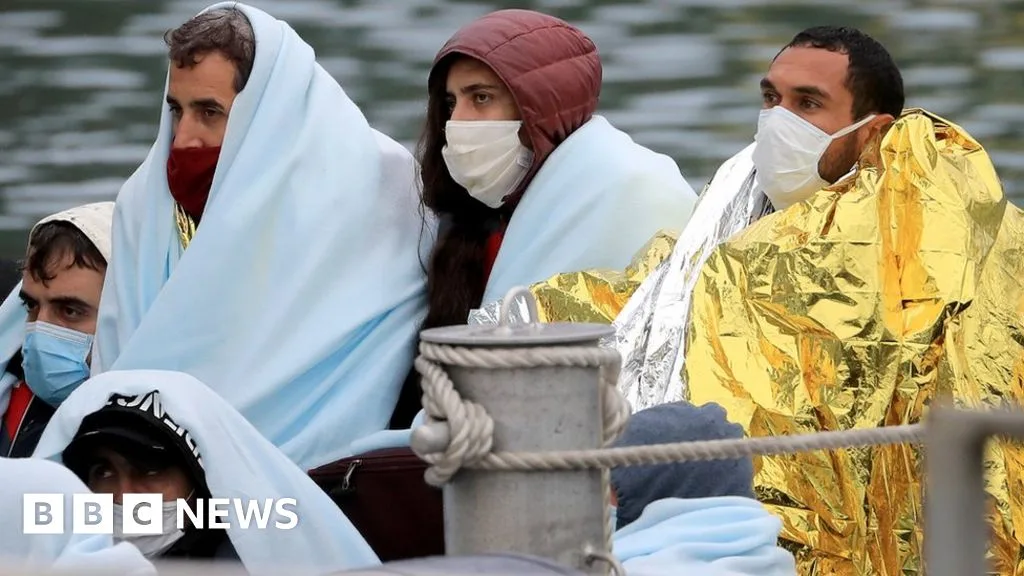
The recent deaths of 27 migrants in the English Channel mark the worst single-day loss of life by drowning in these waters. Yet, despite over twenty years of attempts by UK and French authorities, the flow of migrants crossing the Channel has not been halted.
Efforts to control the crossings date back to the late 1990s, when the opening of the Channel Tunnel and global migration patterns led to the establishment of the Sangatte refugee facility near Calais. Under pressure from the UK, France closed Sangatte in 2003 and introduced British border controls at the port. This prompted the construction of extensive security fencing and the eventual destruction of the 'Jungle' camp in 2016.
However, these measures inadvertently spurred the rise of small-boat smuggling, a tactic adopted from the Aegean Sea crisis. In 2018, fewer than 500 migrants arrived by small boat; this year, over 25,000 have been detected. The smuggling operations have become entrenched, with makeshift camps along 130km of French coast and a steady supply of customers from unstable or impoverished countries.
Bilateral agreements, including a 2018 treaty and a 2019 joint action plan, have committed millions of pounds to French patrols, detection equipment, and intelligence-sharing. Despite these efforts, crossings have not diminished, even as winter approaches. A 2020 target to make crossings 'an infrequent phenomenon' has not been met.
The UK has explored various tactics, including appointing a former Royal Marine to lead Border Force operations and deploying military-grade equipment such as night vision goggles and fast inflatables. 'Push back' operations, inspired by Australian methods, have been considered but not implemented. Meanwhile, the underlying driver remains: smugglers promise migrants that reaching the UK guarantees the right to stay, a message that continues to attract people with family, language, or cultural ties to Britain.