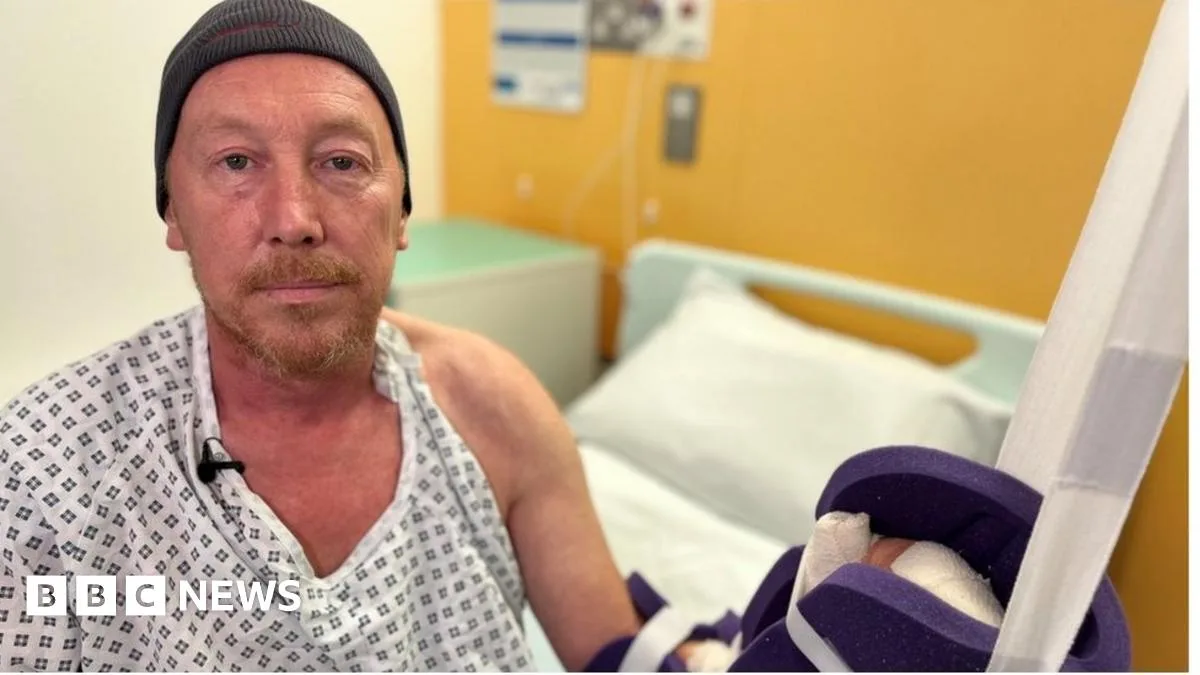
Surgeons at Queen Victoria Hospital in East Grinstead, West Sussex, report treating twice as many dog-attack victims since before the pandemic. Admissions rose from 116 in 2019 to 237 in 2022, with consultant surgeon Siva Kumar attributing the increase to a rise in dog ownership during the pandemic.
Mr Kumar, whose trauma clinics cover Kent, Surrey and Sussex, said the centre often sees the most severe cases. “We would get at least one, if not two patients that are dog bites every day,” he said, noting a doubling in child victims. “Children are probably the ones that affect you the most. Ones with multiple dog bites with scarring that they will carry through the rest of their lives.”
National data from NHS Digital shows a steady increase in hospital admissions for dog bites over the last decade, rising 47% from 6,317 in 2012-13 to 9,277 in 2022-23. Admissions for under-18s rose by 8% to 1,740 over the same period, though one bite can result in multiple admissions.
Victims described life-changing injuries. Darren Davies, 53, suffered severe hand injuries in December after intervening in a dog attack in Staplehurst. “It’s the worst injury I think I have ever had in my life,” he said. Kerry Stevens from Eastbourne, attacked by a pit bull cross in 2014, required multiple operations and said she still bears psychological scars. “There should be more muzzling brought into place for dogs that could be like that,” she added.
The government says it is working with police to prevent attacks. New rules for bully XL dogs in England and Wales require them to be muzzled and on a lead in public, and from 1 February it will be illegal to own one without an exemption certificate. Charities are calling for a complete overhaul of the Dangerous Dogs Act, including tougher penalties for owners.
Dog behaviourist Pippa Apps from Kent suggested some pandemic-era dogs were not properly socialised. “The critical period of socialisation is up to four months of age,” she said. “Without socialising with dogs… they are much less able to cope as well in a social setting as they get older.” A government spokesperson said they are focused on ensuring existing powers to tackle dog control issues are effectively applied across all breeds.