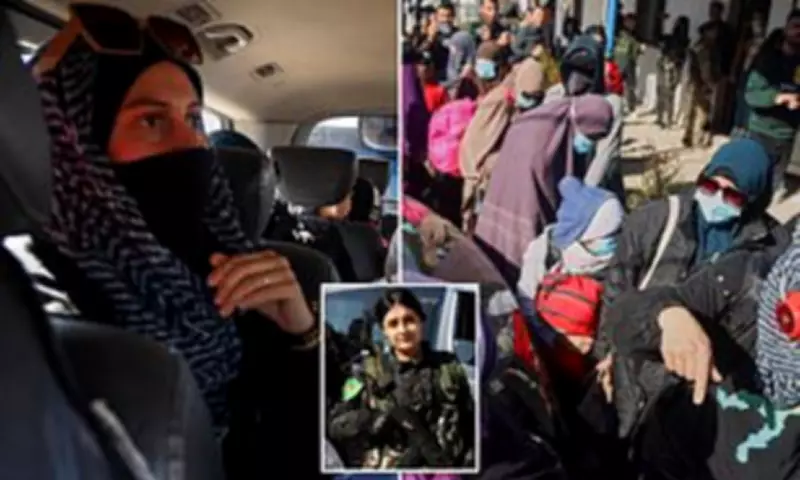
A group of Australian families previously associated with ISIS has been compelled to return to a Syrian refugee camp after Syrian authorities halted their journey to the capital, Damascus. This development follows the issuance of Australian travel documents to the families, who were attempting to make their way home from the conflict zone.
Convoy Halted and Ordered Back
Syrian media reports over the weekend indicated that a convoy of 11 families, comprising 24 women and children, was set to travel from the Al Roj refugee camp in northeastern Syria to Damascus. The group departed the camp on Monday morning under the escort of Kurdish security forces, who control a small section of north-eastern Syria. However, Syrian authorities intervened, preventing the convoy from proceeding to the capital and mandating their return to Al Roj.
Details of the Group and Travel Documents
Sources have informed the ABC that the group actually consisted of 34 individuals who had already been issued Australian passports. It remains unclear whether these passports were in their possession or if they intended to collect them in Damascus. The plan was for the families to travel to Damascus and organize their trip to Australia from there, but this has now been thwarted by the Syrian intervention.
Government Policy on Repatriation
The Australian Government has confirmed that it will not provide direct assistance to these families in their efforts to return to Australia. This policy was reiterated by Environment Minister Murray Watt during a Senate estimates hearing on February 10, where he stated that the government continues to allow women linked to ISIS, often referred to as 'ISIS brides', and their children to return to Australia by their own means. Under current rules, while repatriation is permitted, the government does not offer assistance or conduct organized repatriation efforts.
Opposition Criticism and National Security Concerns
Opposition Home Affairs spokesperson Jonathon Duniam has strongly criticized this approach, labeling it a 'gross neglect of national security'. He argued that in the aftermath of significant terror attacks on Australian soil, the government should not leave the return of family members of terrorists to third parties. Duniam expressed concern over the secrecy surrounding this cohort, warning that it keeps Australians uninformed and could lead to security breaches. He urged the government to take control of the situation to prevent potential risks.
Previous Cases and Legal Warnings
This incident follows a similar case in September, when two women and four children linked to Islamic State fighters returned to Australia after exiting Syria via Lebanon. They had fled the Al-Hol detention centre in northeast Syria and were issued Australian passports following security and DNA checks. The Department of Home Affairs had been briefed three months prior about their intention to return. The government has previously warned that Australians returning from Syria who are found to have committed crimes overseas will face punishment upon their return.
The situation highlights ongoing challenges in managing the repatriation of individuals with ties to extremist groups, balancing humanitarian considerations with national security imperatives. As the families remain in the Al Roj camp, their future travel plans remain uncertain, with the Australian government maintaining its stance of non-assistance in their repatriation efforts.