From Neo-Nazis to ICE: Antifa's Evolving Target in Fight Against Fascism
In a significant strategic shift, antifascist activists are now directing their intelligence-gathering operations towards identifying and exposing Immigration and Customs Enforcement (ICE) agents across the United States. This movement represents a modern adaptation of traditional antifascist tactics, repurposing research methods developed to combat white supremacist groups for a new target: the armed agents implementing controversial immigration policies.
The Minneapolis Incident: A Case Study in Modern Antifascist Action
Last week, a disturbing incident captured by Minneapolis Star Tribune photographers showed a border patrol agent pepper-spraying a detained protester at point-blank range. Within hours of the footage appearing on social media, the Pacific Antifascist Research Collective claimed to have identified the agent as Tyler Gramlin. The group produced multilingual flyers labeling him a "suspected kidnapper/terrorist" for distribution across Minneapolis.
This rapid response exemplifies how modern antifascist groups operate. The Pacific Antifascist Research Collective describes itself as an "autonomous group" of researchers dedicated to providing communities with "research and tools to protect themselves from fascism in all its forms." Like most activists in this sphere, its members maintain anonymity to avoid reprisals from far-right groups.
The Evolution of Antifascist Tactics
While antifa is commonly associated with confrontational protests, the movement's most significant impact has come through intelligence gathering and exposure. Over the past decade, antifascist researchers have identified thousands of pseudonymous individuals belonging to white supremacist groups, sometimes deploying undercover operatives to gather evidence including secretly recorded audio, covert photographs, and private chat messages.
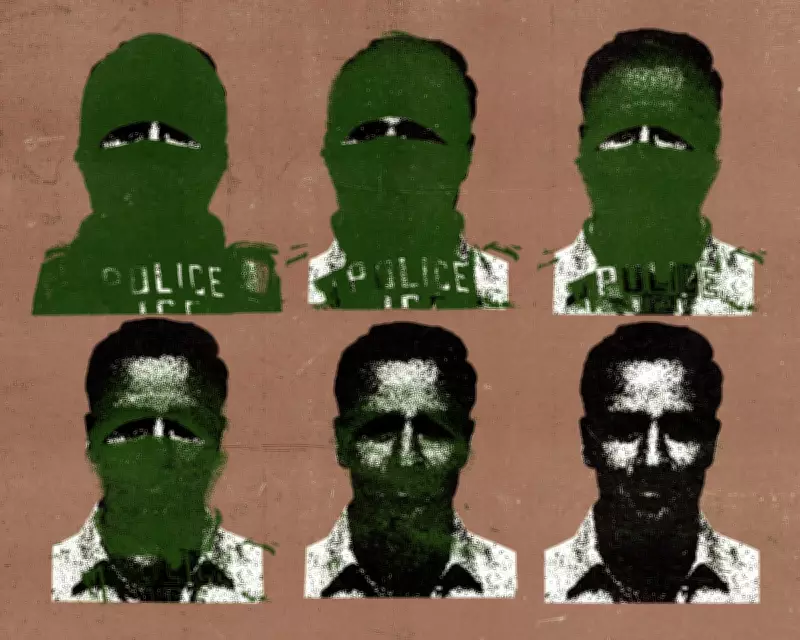
This work has successfully exposed professors, politicians, police officers, and pastors involved with extremist organizations. The tactic represents a modern form of "doxing" - not merely posting private information to invite harassment, but specifically naming and shaming individuals involved with fascist movements, similar to historical efforts to unmask Ku Klux Klan members.
Why Target ICE Agents?
According to activists involved in these efforts, the shift toward identifying immigration enforcement officers stems from several factors. With more than 70,000 people currently detained in immigration facilities - the highest number on record - and numerous reports of inhumane conditions, activists argue that ICE agents represent a form of state-sanctioned violence requiring exposure.
"They want to go about their lives and to enjoy life without being recognized as kidnappers and abusers in their community," explained one activist who requested anonymity. "We identify ICE and DHS agents for the same reasons we identify any violent, dangerous people intent on doing harm. They have chosen to prey on the community."
This perspective aligns with growing public sentiment. Recent polling shows 46% of American adults support abolishing ICE, with 56% believing ICE agents should not be allowed to wear masks during operations.
Historical Precedents and Modern Applications
The practice of unmasking those committing acts of violence under cover of anonymity has deep roots in American history. In the late 19th and early 20th centuries, Black activists like Ida B. Wells worked to identify members of lynch mobs terrorizing Southern communities. In 1924, the mayor of Buffalo, New York, obtained and publicly displayed a list of local Ku Klux Klan members. During the 1930s, Jewish lawyer Leon Lewis operated a spy network that infiltrated Nazi groups in Los Angeles.
More recently, during the 1980s and 1990s, groups like Anti-Racist Action would retrieve discarded mail from neo-Nazi households to create "MEET YOUR LOCAL NAZI" posters for neighborhood distribution. Today's antifascist researchers continue this tradition using digital tools and social media platforms.
Government Response and Legal Challenges
The Trump administration has responded aggressively to these efforts. Homeland Security Secretary Kristi Noem has warned that "we will prosecute those who dox ICE agents to the fullest extent of the law," describing activists as taking "the side of vicious cartels and human traffickers."
In December, the Justice Department issued a memo directing federal prosecutors to develop strategies for targeting individuals aligned with "antifa" who are "doxing" and "impeding" immigration law enforcement. This followed Trump's claim to designate antifa as a "domestic terrorist organization," despite no federal law authorizing such designation.
Several prosecutions have already occurred. In Los Angeles, three women face charges for allegedly livestreaming their pursuit of an ICE agent to his home and posting his address online. Prosecutors must prove the women intended "to threaten, intimidate or incite the commission of a crime of violence" against the agent - a legal threshold that may prove challenging given activists' claims they are merely identifying government employees.
Growing Movement Across Multiple Cities
While still relatively small, the movement to identify ICE agents is expanding beyond Minneapolis. In Portland, Oregon, a group called Rose City Counter-Info has identified at least two local agents, creating posters describing them as "Gestapo clowns" for distribution around the city.
Internationally, an Irishman living in the Netherlands operates ICE List, a website collecting tips about immigration agents' identities. The operator told the Irish Times he started the site after seeing threats against Americans who identify ICE agents online, reasoning that as a non-US resident, he could operate with relative impunity.
The Philosophical Foundation: Antifascism as Popular Response
Activists emphasize that antifascism represents not an organization but a response to perceived state violence. "Antifa is not an organization," explained one researcher. "Antifascism is a natural response to state terror. Antifascist action belongs to the people. Anyone can do it."
This perspective frames current efforts as part of a broader tradition of community self-defense against oppressive forces. As the activist noted: "Every day this goes on, DHS creates thousands of new antifascists."
Looking Forward: An Uncertain Legal and Political Landscape
The conflict between antifascist researchers and immigration authorities occurs against a backdrop of shifting public opinion and legal challenges. In California, Democratic lawmakers passed legislation prohibiting ICE agents from wearing masks and requiring identification, though the White House has sued to block these measures.
Meanwhile, activists continue their work. The Pacific Antifascist Research Collective has produced additional flyers identifying agents involved in various incidents, including one removing an elderly Hmong man from his home and another threatening a protester.
As one activist warned agents considering their future: "Take your retirement while you still can. Get out before the funding cuts, before the lawsuits, the criminal trials. Do not volunteer for these assignments. Think about your future. Think about your family's future. Forever is a long time. The people will not forget."