
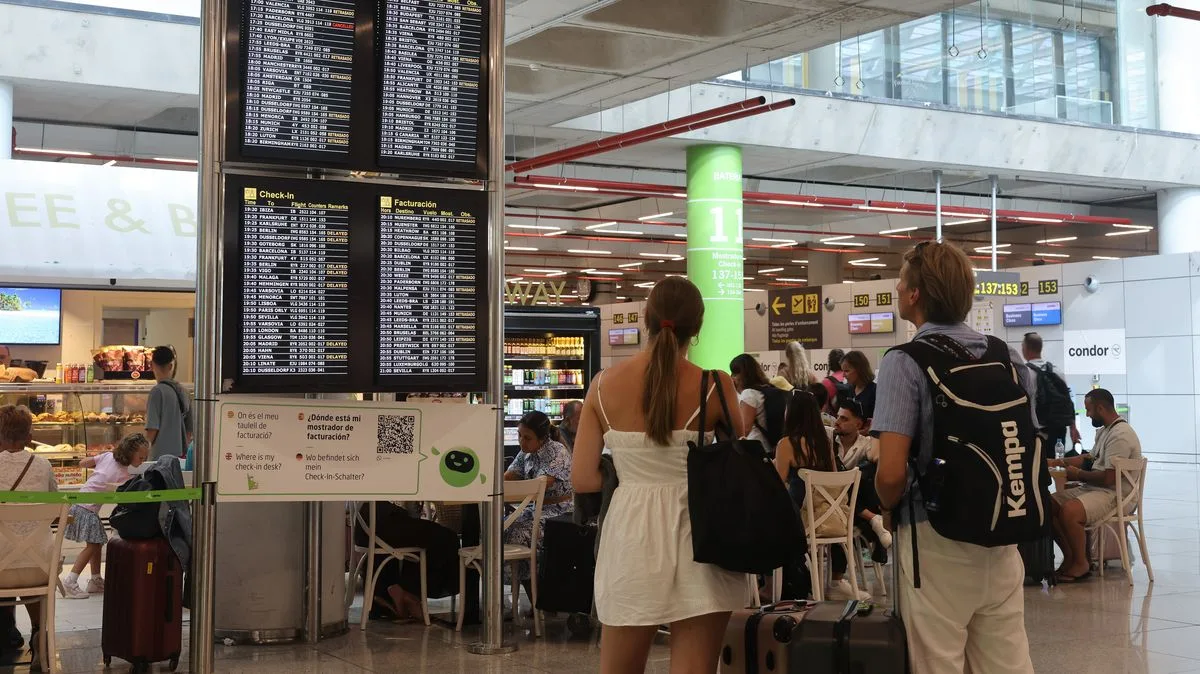
Travel officials in Spain have warned that airline ticket prices are set to rise sharply this summer, with the top three UK tourist hotspots in the Balearic Islands expected to be affected. The warning comes as the conflict with Iran places severe strain on the global supply of jet fuel to airlines.
The Balearic Islands Travel Agencies Association (AVIBA) has cautioned holidaymakers heading to Mallorca, Menorca and Ibiza to prepare for steeper prices. AVIBA president Pedro Fiol said that while flights to the region are not expected to be reduced, the financial pressures from the conflict will inevitably be passed on to customers. "We don't foresee a summer with planes grounded due to a lack of fuel, but we do anticipate a more complex and price-driven environment," he said.
Mr Fiol noted that airlines are currently maintaining "a certain restraint" in airfares, but the scarcity and increased cost of fuel will undoubtedly lead to higher prices. He also warned that some flights could be forced to make refuelling stops mid-journey. The profitability of routes to the Balearic Islands makes it unlikely that flights will be axed during peak season, though this could become a possibility outside of that period.
Lufthansa has already confirmed the cancellation of around 20,000 flights through October as part of an operational shake-up, though none of these are in Spain. Meanwhile, TUI revealed that the Iran conflict cost it approximately €40 million (£34.8 million) last month after it was obliged to repatriate thousands of holidaymakers and staff. Europe's largest travel operator has reduced its profit forecast and suspended revenue guidance as a result.
However, Tim Jeans, a former commercial director at Ryanair and later managing director of Monarch Air, said holidaymakers should have "no worries" about flights being cancelled this summer. He acknowledged there "may be some trimming of schedules" but did not expect carriers to scrap routes entirely. His remarks follow warnings from Airports Council International, which represents more than 600 airports, that a "systemic" jet fuel shortage could emerge ahead of the peak summer season if the Strait of Hormuz does not reopen in a "significant and stable way within the next three weeks".




