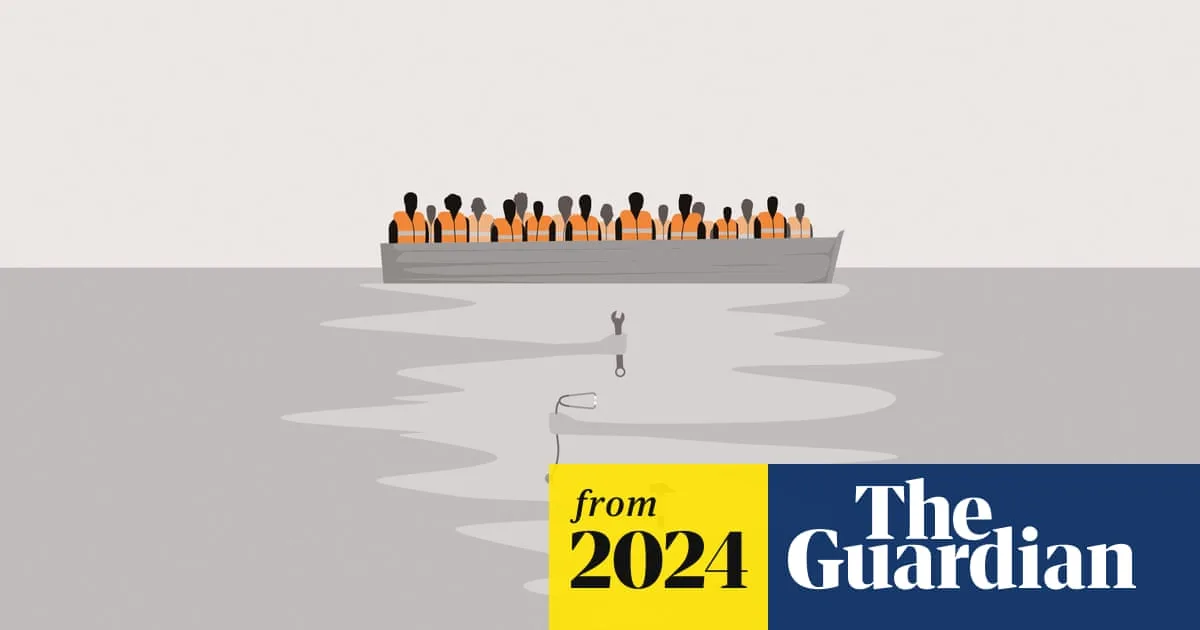
In the wake of this summer's riots, immigration has overtaken the economy as the top concern for Britons, according to polls. Politicians have responded with pledges to reduce numbers: Labour aims to cut it, Conservative hopeful Robert Jenrick wants it down to the tens of thousands, and Reform would freeze 'non-essential' immigration entirely. However, one academic argues that this debate is fundamentally misguided.
The option to dramatically reduce or halt immigration is an illusion, says the academic. People will continue to come to the UK regardless of policy, and the country needs them. The real choice is between a chaotic, punitive system based on political dishonesty and a well-managed one that capitalises on the UK's ability to attract global talent.
Despite major policy shifts over the past 25 years—from New Labour's openness to Theresa May's 'hostile environment' and Boris Johnson's liberal system—migration has remained high. The UK is not an outlier; the proportion of foreign-born population is similar to France and Germany. This suggests deeper economic and demographic forces at play.
The native-born workforce is shrinking across advanced economies. In the UK, all employment growth over the last two decades—over 4 million people—comes from those born abroad. With fertility below replacement level and the over-65 population set to rise by 5 million in 20 years, the pressure for immigration will only intensify. Without it, the tax base shrinks while demand for state support grows.
The academic outlines three policy options. Restrictionism would try to cut legal migration but likely drive many into irregularity, creating exploitation and a race to the bottom. A temporary-worker model, as in Gulf states, would avoid permanent settlement but has historically failed in Europe, as seen with Germany's Gastarbeiter programme and the Windrush generation in the UK.