Wisconsin Mayor Escapes Charges Over Ballot Drop Box Removal
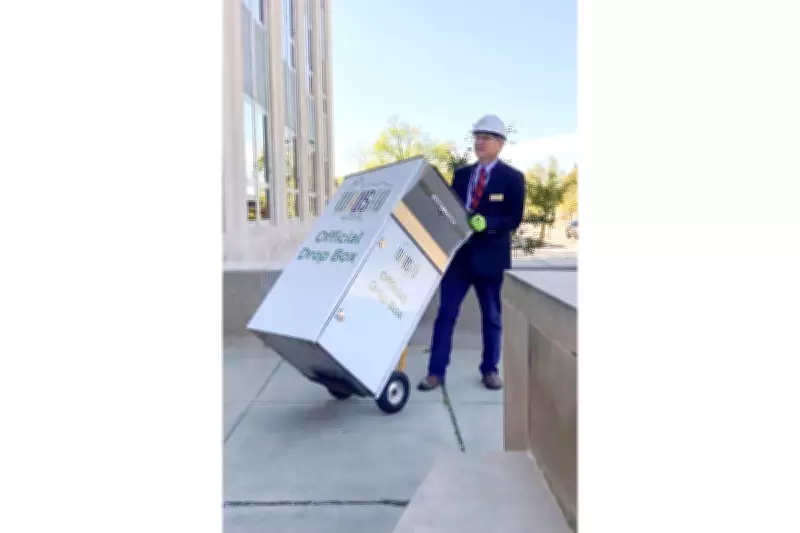
A Wisconsin mayor who carted away a drop box intended for absentee ballots ahead of the 2024 elections will not face any criminal charges, a special prosecutor announced on Wednesday. Wausau Mayor Doug Diny removed the drop box from outside City Hall in September 2024, posing for photos while wearing a hard hat and work gloves during the incident.
Background and Investigation Details
According to the city's elections clerk, Kaitlyn Bernarde, city workers had not yet unlocked the box at the time of removal, but voters had already started to receive their absentee ballots. The move sparked controversy over whether communities in the swing state of Wisconsin should permit the use of absentee ballot drop boxes. Diny returned the box a week later after Bernarde raised concerns about election integrity, though he denied any wrongdoing, arguing the box was unsecured and vulnerable to theft.
In October 2024, the city's ethics board determined that Diny violated Wausau's ethics policy. However, a state Justice Department investigation found no basis for charges. Fond du Lac County District Attorney Eric Toney, a Republican running against Democratic Attorney General Josh Kaul in the November 2026 elections, launched an additional probe as a special prosecutor. On Wednesday, Toney stated he could not prove any charges beyond a reasonable doubt.

Legal Reasoning and Political Context
Toney noted that Wisconsin law prohibits breaking open a ballot box and tampering with ballots inside, but the box Diny moved remained sealed and contained no ballots. He also argued the drop box did not meet the legal definition of a ballot box, citing the Wisconsin Elections Commission, which states ballot boxes are used in polling places rather than for returning absentee ballots. The mayor's position is officially nonpartisan, but Diny campaigned against absentee drop boxes and received Republican backing during his election run.
Diny did not immediately respond to email and voicemail messages seeking comment on Toney's conclusions. This case highlights ongoing debates over election security and procedures in key battleground states like Wisconsin.