
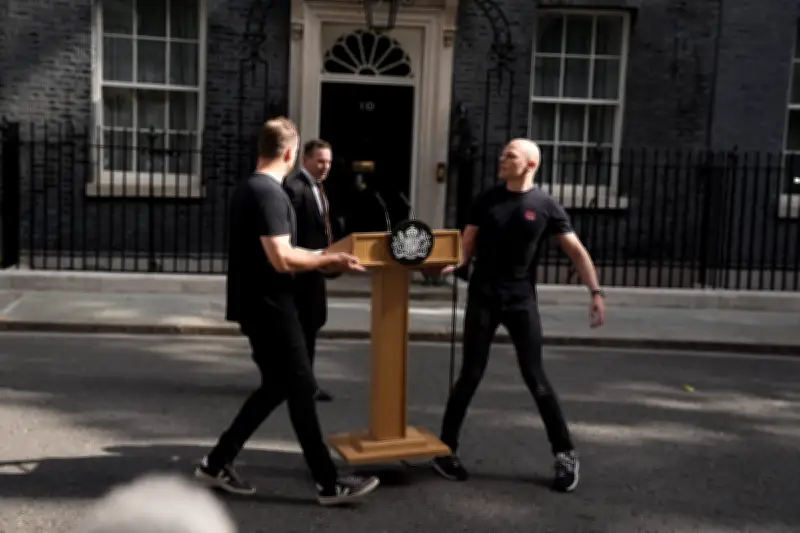
Sir Keir Starmer's tenure as prime minister, lasting 745 days from July 2024 to July 2026, places him among the briefest premierships of modern times and makes him the shortest-serving Labour prime minister in history.
Comparison with Recent Prime Ministers
Sir Keir outlasted his immediate Conservative predecessors: Rishi Sunak (619 days from October 2022 to July 2024) and Liz Truss (49 days from September to October 2022). He also served longer than three other post-1900 prime ministers: Andrew Bonar Law (211 days in 1922–1923), Alec Douglas-Home (364 days in 1963–1964), and Anthony Eden (645 days in 1955–1957), all Conservatives.
Historical Ranking Among Prime Ministers
To climb another place on the list, Sir Keir would have needed to remain in office until November 5, 2026, to surpass Liberal prime minister Henry Campbell-Bannerman, who served 852 days from 1905 to 1908. Sir Keir is the shortest-serving Labour premier, behind all six previous Labour prime ministers.
Labour Prime Ministers' Tenures
Tony Blair remains Labour's longest-serving prime minister with 3,708 days from May 1997 to June 2007. Harold Wilson served two non-consecutive periods totaling 2,835 days (October 1964 to June 1970 and March 1974 to April 1976). Ramsay MacDonald also had two non-consecutive terms adding up to 2,480 days (January to November 1924 and June 1929 to June 1935), though from 1931 to 1935 he was a member of the National Labour party after being expelled from the official Labour party. Clement Attlee served 2,283 days continuously from July 1945 to October 1951. Jim Callaghan clocked 1,124 days from April 1976 to May 1979, just ahead of Gordon Brown's 1,049 days from June 2007 to May 2010. Had Sir Keir remained prime minister until at least May 21, 2027, he would have surpassed Gordon Brown.
Future Prospects
Andy Burnham will begin his premiership with the next general election due no later than August 2029. This timeframe allows Mr. Burnham to potentially clock more days in office than both Sir Keir and Mr. Brown, should he serve for the remainder of this Parliament.




