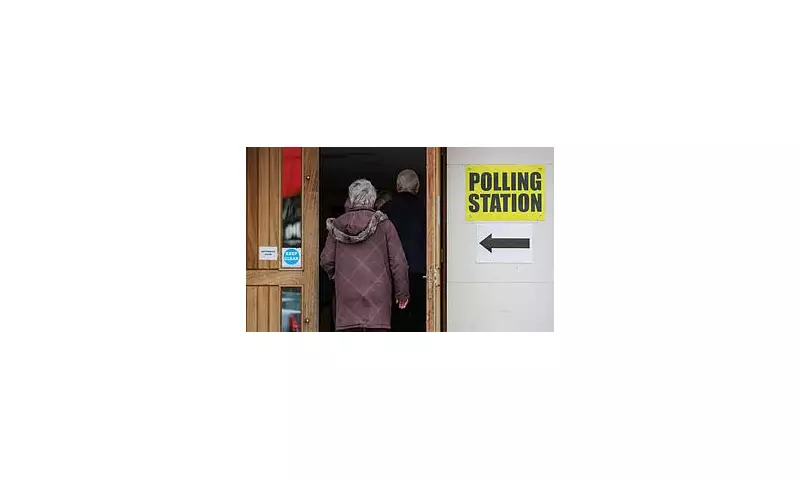
In a familiar political ritual, the leaders of Scotland's three main parties delivered major set-piece speeches this week, each attempting to outline a compelling vision for the country ahead of May's Holyrood election. Yet, for one long-term voter, the competing pitches from John Swinney, Anas Sarwar, and Russell Findlay only cemented a profound sense of disillusionment, leading to a historic personal boycott of the ballot box.
A Democratic Habit Broken
Having voted enthusiastically in every election since 1992, the author describes a recent, seismic shift in their political engagement. The catalyst was the 2024 General Election, where they found, for the first time in 32 years, that they could not in good conscience support any of the major UK parties. This abstention was not born of apathy, but of a deep-seated belief that all available options were fundamentally flawed or incompetent.
The reasons cited are stark: the Conservatives' record of putting party before country at Westminster; the SNP's perceived squandering of voter goodwill to pursue constitutional division despite the 2014 referendum result; and a Labour Party still tainted by anti-Semitism. Furthermore, all major parties, including the Lib Dems and Scottish Greens, were seen as captured by trans activist agendas that the voter believes erode women's rights and safeguarding.

Three Speeches, Three Failures to Inspire
Against this backdrop, Monday's speeches were analysed with care but found wanting. First Minister John Swinney focused heavily on independence, framing a majority for the SNP in May as a trigger for a second referendum—a position the UK Government continues to reject. His headline-grabbing proposal for a bank holiday to celebrate a potential Scottish World Cup appearance was dismissed as a costly gimmick. The voter argues that after nearly 19 years in power, the SNP has failed on key metrics like NHS crisis, falling school standards, and ineffective use of higher income taxes.
Scottish Labour leader Anas Sarwar, despite his success in winning 37 Westminster seats in July 2024, was seen as damaged by unpopular decisions made by the UK Labour leadership. His suggestion that London-based colleagues stay away during the Holyrood campaign underscored a palpable tension. Meanwhile, Scottish Tory leader Russell Findlay was credited for clearly addressing issues like taxation and education, but his party's rightward shift at Westminster to counter Reform UK was viewed as a major obstacle to attracting mainstream Scottish voters.
A Shared Uncertainty and a Final Plea
The overarching impression from the triple address was not one of confidence, but of a shared uncertainty about the future binding the three bitter political foes. The voter concludes with a poignant challenge to Scotland's political class. They express a sincere desire to return to the polling station, but state unequivocally that the nation's leaders have just four months to prove that participation is worthwhile. The democratic right not to vote, they assert, is as precious as the right to vote, and it is a freedom they now feel compelled to exercise.
The piece stands as a powerful testament to the growing chasm between a politically engaged electorate and the parties that seek to represent them, highlighting critical issues of constitutional division, public service failure, and ideological capture that define the current Scottish political landscape.