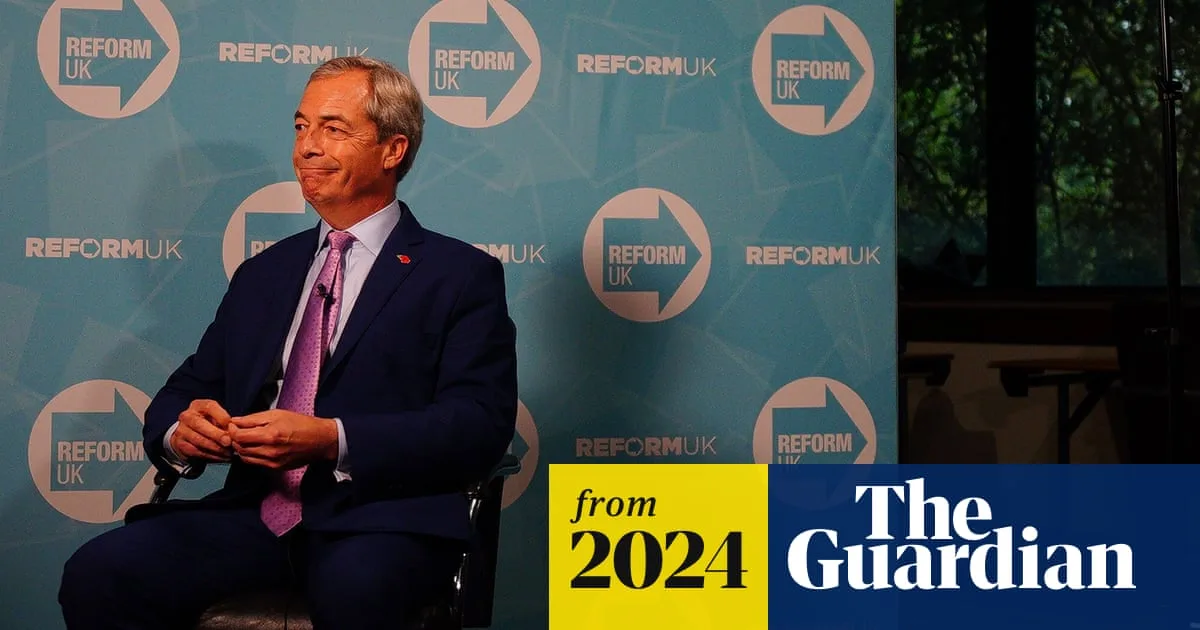
Reform UK is plotting to oust leading government ministers including Ed Miliband, Yvette Cooper, and Bridget Phillipson as part of a 'ruthless' new strategy to secure power. Nigel Farage revealed that the party is shifting its focus to unseat a string of senior government figures by targeting individual constituencies for the first time.
Farage's New Approach
The Reform UK leader stated that he has worked as a 'campaigner' for three decades, aiming to increase national vote share to maximise influence on issues like Brexit. However, with Reform now topping the polls for a year, Farage said the party is poised to switch to a target seats campaign, concentrating resources on winning power at the next general election.
Key Targets Identified
Key targets will include the Yorkshire constituencies of Ms Cooper and Mr Miliband, as well as Ms Phillipson's seat in Houghton and Sunderland South. Farage told the Mail that the education secretary was 'toast' and described unseating Mr Miliband as a 'sweet moment'.
'It would be lovely,' he said, 'although of course I've done it before. I did it in 2015 don't forget, he was favourite to win the election. UKIP got four million votes and without that (David) Cameron would never have won a majority in 2015. We are coming for Labour and they know it. You only have to look at the stage management of Prime Minister's questions and the constant attacks on me to realise we're deep under their skin.'
Further Labour Targets
Other top Labour targets likely include the South Yorkshire constituency of defence secretary John Healey and Angela Rayner's Ashton-under-Lyne seat in Greater Manchester. One poll this month suggested Reform could take the seats of a dozen Cabinet ministers, with the Greens and independents unseating another four, including health secretary Wes Streeting and business secretary Peter Kyle.
The scale of the challenge threatens to complicate any Labour leadership, with many leading candidates potentially facing an uphill struggle to hold their own seats. Traditionally, main political parties draw up target lists of up to 100 seats to focus resources on marginal battlegrounds. Because Reform starts from a base of just eight seats, Farage said it could have to target as many as 350 constituencies, creating a huge financial and logistical challenge.
Party Readiness
In February, Farage said Reform was 'halfway' ready to fight the election. He now estimates the figure is up to two-thirds, with the move to a more targeted campaign a vital next step in the party's development.
'What we're trying to do is unprecedented,' he said. 'The massive shift in where Reform needs to be is, now we have a professional centre, we need to start developing local centres of excellence, real excellence around the country. We've got to ruthlessly pick - what are the seats that we realistically think we can win a general election? Who are the right people to stand in those seats? Are they trustworthy? Are they prepared to work their socks off?'
He added: 'This is going to be, you know, a massive sea change for me, having done things a certain way for 30 years. It's a very, very big change. I've always been used to doing the shotgun… firing the pellets as wide as possible to try and attract people to our ideas. There's always been a broad approach. It's always been about changing national opinion. And to some extent, we fought this campaign that way. But that has got to change.'






