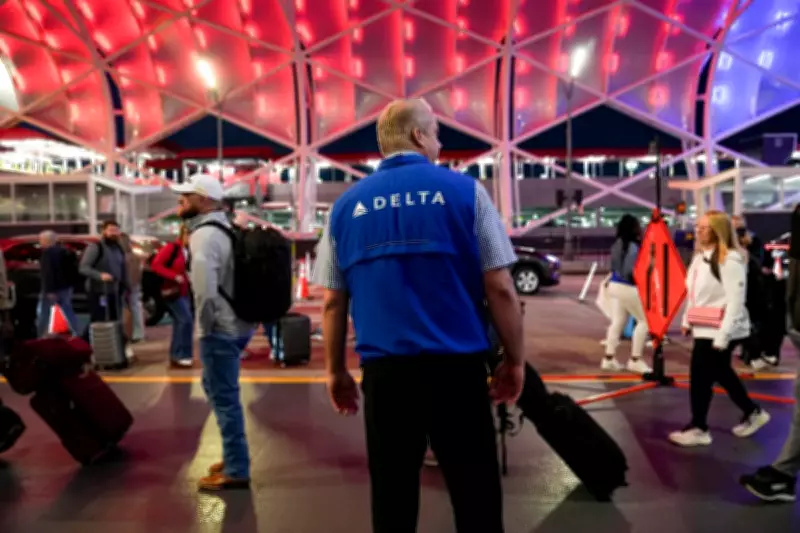
Delta Air Lines CEO Ed Bastian has issued a stark warning to travellers, indicating that higher air fares are on the horizon as the airline grapples with soaring fuel costs linked to the ongoing US-Israel war with Iran. This announcement comes amid a backdrop of robust passenger demand, with the airline forecasting a 10% revenue growth despite the financial pressures.
Fuel Costs Skyrocket Amid Market Volatility
The conflict has triggered significant volatility in oil markets, resulting in Delta facing an additional $330 million in fuel expenses. The company projects a staggering $2 billion increase in fuel costs for the current quarter alone. Bastian emphasised that at these elevated fuel price levels, any measures to offset costs, such as increased baggage fees, are likely to become permanent fixtures rather than temporary adjustments.
Impact on Major US Airlines
Other major US carriers are also feeling the strain. American Airlines and United have seen their stock prices plummet by 25% and 13% respectively since the start of the year, reflecting investor concerns over the conflict's economic fallout. In late March, United CEO Scott Kirby cautioned that ticket prices could surge by up to 20% if fuel prices remain high, though airlines are striving to maintain consumer demand.

Kirby noted that 2026 has been a record-breaking year for travel bookings, with demand at an all-time high. Despite Delta's share price rising 17% last year due to soaring demand, it has remained flat so far this year, signalling that the conflict may be curtailing the company's growth potential, even as consumer resilience persists.
Strategic Adjustments and Economic Disparities
In response to the challenging environment, Delta plans to reduce capacity by trimming midweek and overnight flights that typically have lower passenger numbers but consume expensive fuel. United announced similar capacity cuts last month, anticipating sustained high oil prices throughout the year.
Bastian highlighted that Delta has benefited from a K-shaped economy, where affluent Americans, whose wealth is tied to stock market gains, continue to spend lavishly on travel, particularly on business- and first-class seats. This contrasts with lower-income Americans who are scaling back due to rising prices. He stated that these wealthier customers remain a priority, driving the company's growth even amid the conflict.
Oil prices experienced a brief dip after Iran announced the reopening of the Strait of Hormuz as part of a two-week ceasefire agreement with the US, with Brent crude falling from $110 to under $95 a barrel. However, prices remain approximately $20 a barrel higher than pre-conflict levels, underscoring the ongoing market instability.