Bangladesh's Historic Election: A Nation Votes for Democracy After Gen Z Revolution
After months of political instability, economic collapse, and widespread violence, Bangladesh's voters are participating in a national election that could redefine the country's democratic future. This pivotal vote follows the ousting of authoritarian leader Sheikh Hasina, who ruled for 15 years before being forced into exile in India.
A New Dawn for Democracy
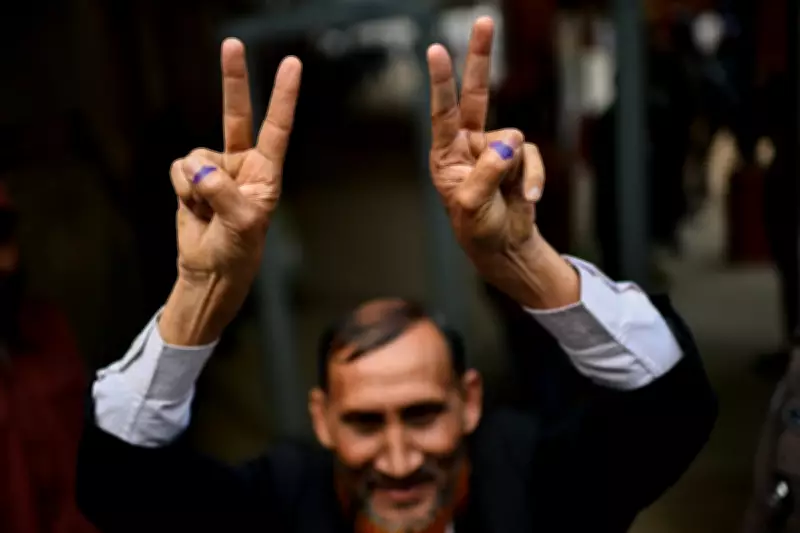
Approximately 128 million registered voters are casting their ballots on Thursday in what has been hailed as a historic election by the Nobel laureate Muhammad Yunus-led interim government. This marks the first major election since the "July Revolution" of 2024, a student-led uprising that toppled Hasina's regime.
The 13th parliamentary election is unprecedented in Bangladesh's history, with the Awami League—the country's oldest political party—banned from participation. The Bangladesh Nationalist Party (BNP) and Jamaat-e-Islami have emerged as clear favourites, but whichever party takes power will face the monumental task of restoring a nation that was once one of Asia's fastest-growing economies.

High Stakes and High Hopes
Expectations are soaring among voters, many of whom are optimistic about the restoration of genuine democracy. However, fears persist regarding the country's potential tilt towards religious radicalisation, particularly with the resurgence of the once-banned Islamic political party Jamaat-e-Islami.
Nearly five million voters will be casting their ballots for the first time, including many young Bangladeshis who participated in last year's protests. Salim Sheikh, a 27-year-old engineer, expressed a common sentiment: "I don't think we were prepared for what was to come after the protests. The uprising was necessary but now we need a government in place to make our lives better. This country desperately needs reforms."
The Political Landscape Transformed
With the Awami League barred from the race, the BNP has surged ahead as the clear frontrunner. Tarique Rahman, the son of former prime minister Khaleda Zia, has returned to Bangladesh after 17 years in exile, promising to rebuild democratic institutions and stabilise an economy strained by inflation and political upheaval.
Mahdi Amin, an adviser to Rahman, emphasised the party's commitment to a fair election: "As the most popular political party with massive support among the voters, it's in our interest to ensure that the election remains free, fair and equitable without any controversy whatsoever."
Controversy and Criticism
The Awami League has dismissed Thursday's vote as a "sham election" and called on its supporters to boycott the polls. Hasina's son, Sajeeb Wazed, criticised the interim administration for placing a "de facto ban" on political parties, arguing that the election is manipulated to benefit Jamaat-e-Islami.
Hasina's legacy is complex—credited with lifting millions from poverty through export booms and balanced international relations, yet shadowed by the 2024 crackdown that resulted in up to 1,400 deaths according to the UN, and her long record of authoritarian rule.
Rights and Radicalisation Concerns
The resurgence of Jamaat-e-Islami has triggered significant concerns among women's rights advocates and religious minorities. The party's past comments opposing female leadership and proposals to cut women's working hours have raised alarms, though party leaders have recently softened their hardline stance.
Shafiqur Rahman, the leader of Jamaat-e-Islami, claims the party stands on the brink of a majority, drawing parallels to American leaders like Barack Obama. However, minority communities, particularly Hindus who make up about 8% of the population, report increased intimidation and sporadic violence, with many bracing for potential persecution if Jamaat gains power.
Structural Reforms and Future Prospects
This election is paired with a referendum on structural reforms, including proposals to impose term limits on prime ministers and strengthen checks on executive authority—measures widely seen as attempts to prevent the concentration of power that characterised Hasina's tenure.

For the first time, Bangladeshis living abroad will be able to cast their ballots by post, extending participation to a vast diaspora that sends billions home annually but has long remained politically sidelined.
Bangladesh has oscillated between civilian rule and military intervention since its independence in 1971, with democratic institutions often fragile and fiercely contested. While Thursday's vote will not erase that history, it will undoubtedly chart a new path for a nation at a critical crossroads.