
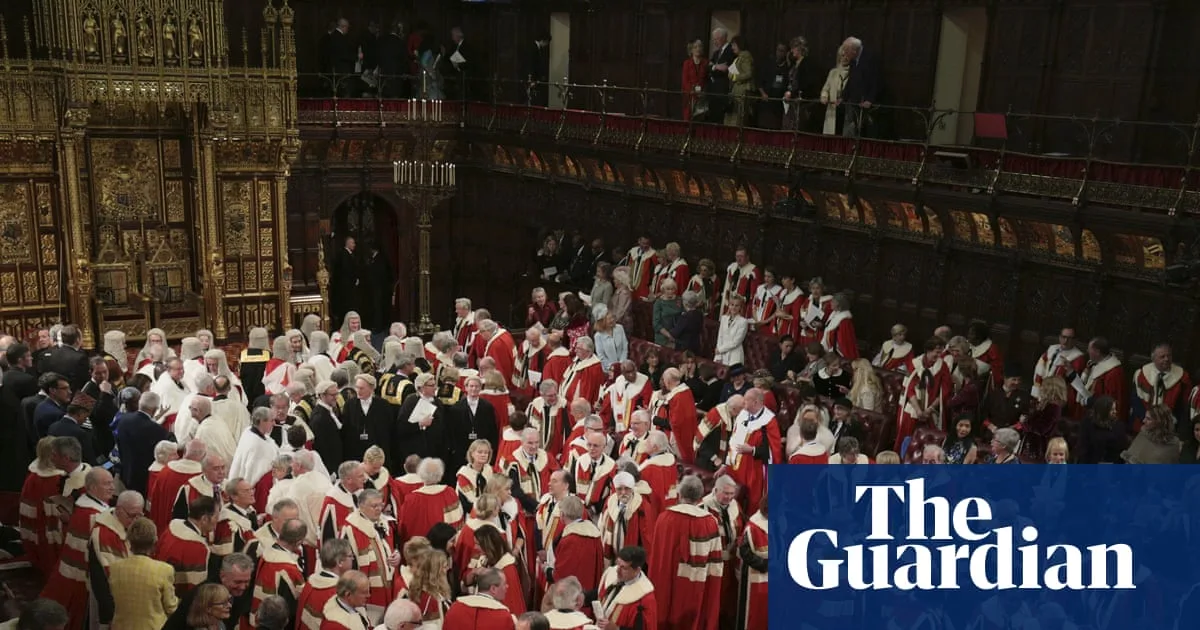
A new report from the Equality Trust argues that the growing political influence of the ultra-rich is reshaping British politics through structural corruption. The study, titled 'Money, Media and Lords: How the ultra-rich are shaping Britain', highlights how House of Lords appointments, large political donations, and media ownership concentration serve as 'conduits for unelected power'.
The report's Concentration of Power Index shows a strong correlation between wealth concentration and political power. Priya Sahni-Nicholas, co-executive director of the trust, stated: 'Our index rises almost exactly in step with increases in the top 1% share of wealth. This correlation is strong and statistically significant.'
Key findings include a rise in unelected Lords membership from 676 to 803 over 20 years, while political donations over £250,000 surged from £7.6 million to over £47 million. Media ownership has also become more concentrated, with the three largest news conglomerates now controlling about 90% of the market, up from 71%.
The report warns that this 'structural corruption' is a legal, slow-moving process where institutions adapt to serve concentrated wealth. It recommends prohibiting private donations above £5,000, limiting political appointments, and investing in independent local media to dilute the dominance of a few large actors.
Professor Robert Reich of Inequality Media cautioned: 'The ultra-rich media owners are tightening their grip on democracy. In an era when wealth is concentrated in the hands of a few individuals who have bought up key media, there is a growing danger that the public will not be getting the truth it needs to function in this democracy.'




