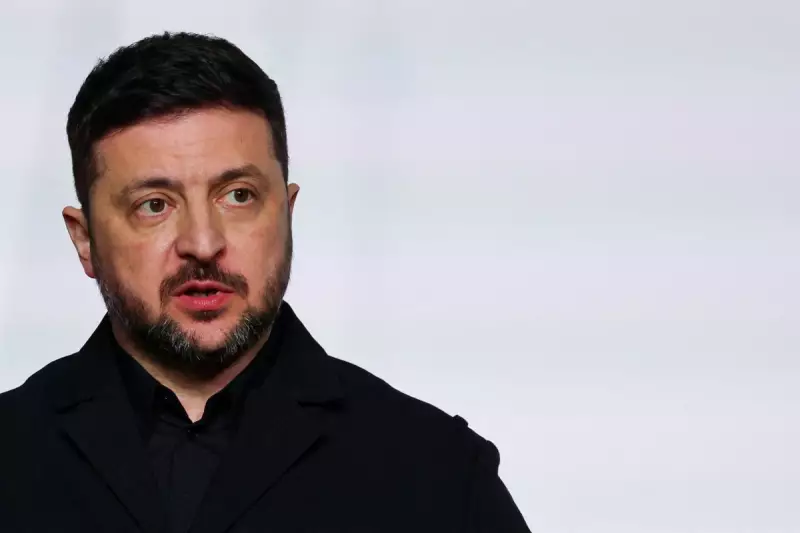
Ukrainian President Volodymyr Zelensky delivered a blistering critique of European leaders during his address at the World Economic Forum in Davos, accusing them of a 'Groundhog Day' approach to supporting Ukraine in its conflict with Russia.
Scathing Speech Highlights European Inaction
In his speech, Zelensky lambasted what he described as 'endless internal arguments' and perceived inaction from European nations. He expressed frustration over the lack of progress, stating that Ukraine feels trapped in a repetitive cycle where promises of support are not matched by decisive actions.
Key Criticisms and Announcements
Zelensky specifically targeted Europe's failure to utilise frozen Russian assets for Ukraine's benefit and questioned why the continent was not taking stronger measures against Russia's 'shadow fleet' of oil tankers, which he argued enables Moscow to circumvent sanctions.

Amid his criticisms, the Ukrainian president made a significant announcement: the first trilateral peace talks involving Kyiv, Moscow, and the United States are scheduled to take place in the United Arab Emirates on Friday. This development marks a potential step towards diplomatic resolution in the ongoing war.
Call for Unity and Independence from US
Zelensky implored European leaders to demonstrate greater unity and courage, urging them to act independently of the United States. He emphasised that Europe should not rely on potential changes in US policy, particularly referencing former President Donald Trump, and must take its own stand to support Ukraine effectively.
Immediate Response from European Allies
Hours after Zelensky's remarks, a notable response emerged from European forces. The French navy, with support from Britain, intercepted a sanctioned Russian 'shadow fleet' oil tanker in the Mediterranean Sea. French President Emmanuel Macron confirmed the action, highlighting a direct move against the very issues Zelensky had criticised.
This interception underscores the ongoing tensions and the complex dynamics between European nations and Russia, as the conflict in Ukraine continues to influence global politics and security measures.