Foreign Secretary Yvette Cooper Voices Concern Over British Casualties in Gulf Conflict
Yvette Cooper Fears British Casualties in Gulf Missile Strikes

Foreign Secretary Voices Grave Concerns Over British Lives in Gulf Conflict

Foreign Secretary Yvette Cooper has publicly expressed her profound fears regarding potential British casualties resulting from missile strikes in the Gulf region. This follows the United States' recent military action against Iran, which has escalated tensions dramatically.

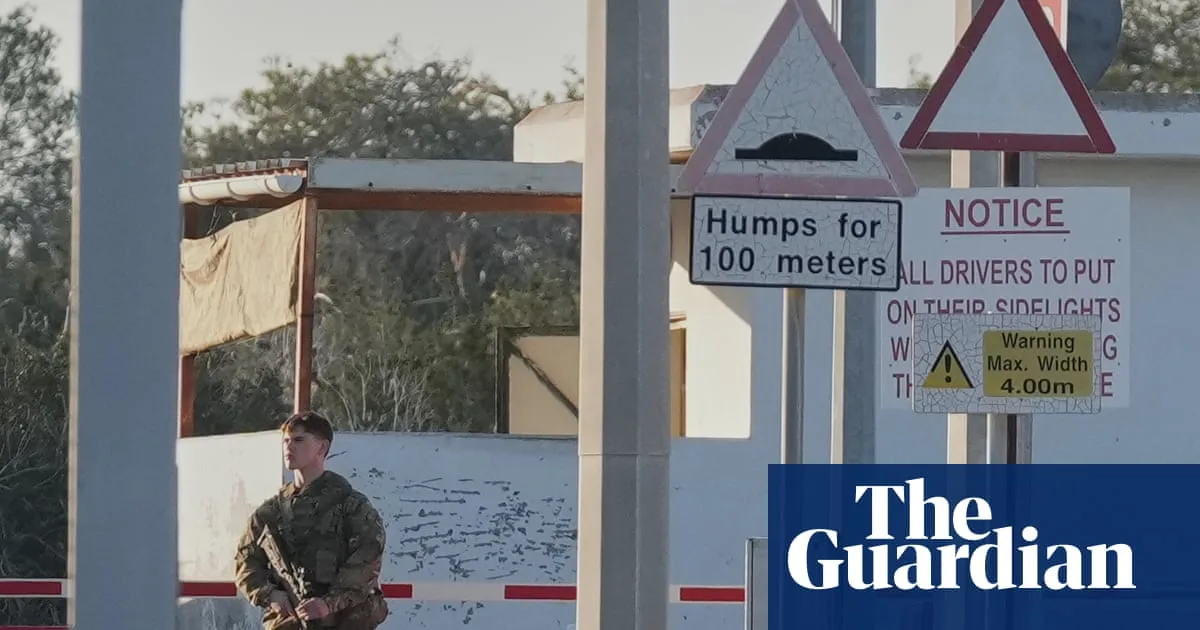
Cooper defended the British government's controversial decision to permit American forces to utilize UK military bases for targeting Iranian positions. She emphasized that this move was absolutely essential to safeguard the approximately 300,000 British citizens currently residing and working across the volatile Gulf area.

"Deeply Worried" About Reckless Iranian Actions

When questioned about the inevitability of British losses, particularly after President Trump's warning of additional US casualties, Cooper stated: "I am already deeply worried about the risks in terms of casualties and threats across those Gulf countries that are being so heavily targeted. That is happening already because of the reckless way this Iranian regime has responded and the attacks they have launched."

The Foreign Secretary elaborated that the government's primary objective remains the defense of British citizens and national interests. "This is about making sure we can defend British citizens, British interests and provide that support for what is taking place," she asserted during a recent briefing.

Cooper provided a stark example to justify the UK's stance: "If we refused the ability to support the kind of defensive action that could prevent ballistic missile attacks on hotels in Dubai for example, I just don't think that would be the right thing to do." This reference followed confirmed attacks on civilian infrastructure, including a hotel in Dubai.

Political Backlash and Criticism from Labour Backbenchers

Cooper's remarks arrive amidst significant political turbulence for Prime Minister Sir Keir Starmer. The Labour leader faces mounting criticism from left-wing members of his own party for authorizing the use of British bases in US strikes against Iran. This decision marks a reversal from the UK's initial refusal to participate in America's opening assault.

Former Shadow Chancellor John McDonnell issued a stern warning, suggesting the Prime Minister risks being drawn into President Trump's "aggressive" campaign against Iran. McDonnell drew a parallel to the Iraq War, stating: "We are being drawn in, just as we were in Iraq, following the US in what is an incredibly dangerous situation."

Emergency Measures for Stranded British Nationals

In response to the escalating crisis, the Foreign Office is implementing urgent contingency plans. Cooper confirmed that officials are compiling a comprehensive register of all British nationals in the region to provide tailored safety advice.

With commercial flights largely suspended, the current guidance for those stranded is to "shelter in place." Cooper highlighted the severity of the situation: "We have seen the hotel in Dubai that was hit, we have seen attacks on airports across the region… we have so many British citizens there."

The Foreign Secretary reiterated the necessity of preemptive measures: "We have to take that preventative action to prevent these ballistic missile strikes on those locations where there are so many British citizens." She firmly rejected any criticism of the UK's coordinated actions with allies, framing them as "collective self defence" against a state accused of supporting criminal threats on British soil.

The government continues to explore all possible travel alternatives to evacuate citizens, though options remain severely limited by the ongoing conflict and widespread airport closures across the Middle East.




