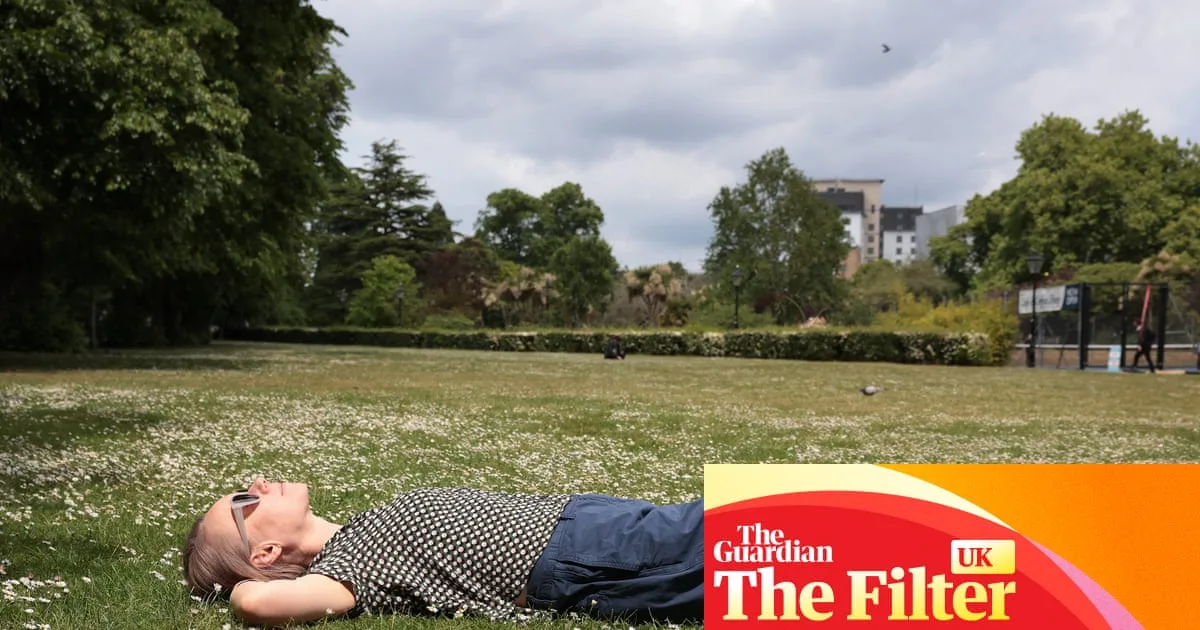
As pollen counts rise across the UK, doctors are offering simple advice to help hay fever sufferers manage their symptoms before summer arrives. While the NHS notes that hay fever cannot be cured, experts stress that symptom control is achievable through a combination of practical measures.
Dr. Unnati Desai, national lead for GP Services at Nuffield Health, acknowledges that avoiding pollen from February to September is nearly impossible in Britain. Instead, she recommends finding the right way to control individual reactions. Dr. Megha Pancholi, clinical lead at Boots Online Doctor, suggests reducing exposure by wearing wraparound sunglasses and applying petroleum jelly around the nostrils to trap pollen.
Testing various remedies, a reviewer found that air purifiers and humidifiers provided notable relief. Hannah Shore, head of sleep science at Mattress Online, explains that humidifiers moisten the air, reducing floating dust and pollen, while air purifiers with HEPA filters remove allergens effectively. The reviewer and her husband experienced clearer symptoms within hours when using a large air purifier overnight.
Other variables such as pollen count and time spent outdoors can affect symptom severity, so experts advise layering multiple approaches as needed. While some remedies offer immediate relief and others take weeks to show results, simple preventive steps remain the most reliable first line of defence against hay fever this season.