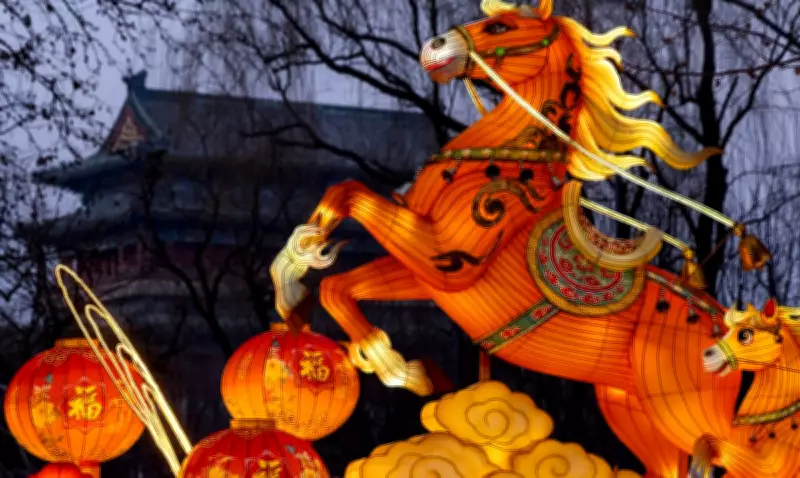
Year of the Horse 2026: Symbolism and Global Lunar New Year Celebrations
On Tuesday 17 February 2026, Asian communities worldwide will usher in the Year of the Horse with vibrant carnivals, family reunions, parades, traditional cuisine, fireworks, and numerous other festivities. In many Asian nations, this festival spans several days, while diaspora communities, especially in cultural enclaves, mark the occasion with visible and joyous celebrations. According to the Chinese zodiac, 2026 is designated as the Year of the Horse, though different Asian countries may observe the new year in varied ways and follow distinct zodiac systems.
What is the Lunar New Year?
The Lunar New Year, known as the Spring Festival in China, Tet in Vietnam, and Seollal in Korea, is a major festival celebrated across several Asian countries. In Indonesia, it features dragon puppets and drum displays, and it is widely observed by diaspora communities globally. The festival commences with the first new moon of the lunar calendar and concludes fifteen days later on the first full moon. Since the lunar calendar is based on moon cycles, holiday dates shift slightly annually, typically falling between late January and mid-February.
What are the Animals of the Zodiac?
Each year honours an animal from the Chinese zodiac, a cycle of twelve creatures: the rat, ox, tiger, rabbit, dragon, snake, horse, goat, monkey, rooster, dog, and pig. These animals measure time cycles, with legend stating that a god summoned all animals to bid him farewell before leaving Earth, but only twelve appeared. The Vietnamese zodiac differs slightly, featuring the cat instead of the rabbit and the buffalo instead of the ox.

What Does the Year of the Horse Mean?
In Chinese culture, the horse is a revered symbol of freedom, vitality, and unbridled ambition. Celebrated for their speed and independent spirit, horses are seen to resent restraint. For 2026, this powerful symbolism suggests a period ripe for channelling new opportunities and embracing significant transformation, encouraging individuals to pursue growth and change.
What are Some Beliefs and Traditions Around the Lunar New Year?
An ancient legend tells of Nian, a hideous monster that feasted on human flesh on New Year's Day. To fend it off, people used red paper dragons on doors, burned red lanterns overnight, and set off firecrackers, as the beast feared red, loud noises, and fire. Today, celebrations focus on dispelling bad luck and welcoming prosperity. Red is considered auspicious, symbolising good fortune and joy, leading to red attire, home decorations with red lanterns, and red envelopes for monetary gifts. Gambling and traditional games are common across cultures during this time.
Ancestor worship is prevalent, with Korean families performing "charye," where females prepare food and males serve it to ancestors, followed by "eumbok," where the family eats together to seek blessings. Vietnamese people place traditional dishes on home altars to honour ancestors. Some Indigenous groups, like Mexico's Purepecha, also celebrate Lunar New Year.
How Do Diaspora Communities Celebrate?
Asian American communities in the U.S. organise parades, carnivals, and festivities featuring lion and dragon dances, fireworks, traditional food, and cultural performances. Many clean their homes, purchase new furniture, and decorate with orchids and bright flowers. Lunar New Year is also observed as a cultural event by some Asian American Christians and recognised by Catholic dioceses and other churches across the U.S.
What are Some Special Foods for the New Year?
Each culture boasts unique new year foods, such as dumplings, rice cakes, spring rolls, tangerines, fish, and meats. In Chinese culture, "changshou mian" or "long-life noodles" are eaten to wish for a long, healthy life. Vietnamese traditions include banh chung and banh tet, glutinous rice dishes wrapped in banana leaves with mung beans and pork belly. Koreans enjoy tteokguk, a brothy soup with thinly sliced rice cakes, while some Hong Kong snake shops serve warm snake soup as the Lunar New Year approaches.