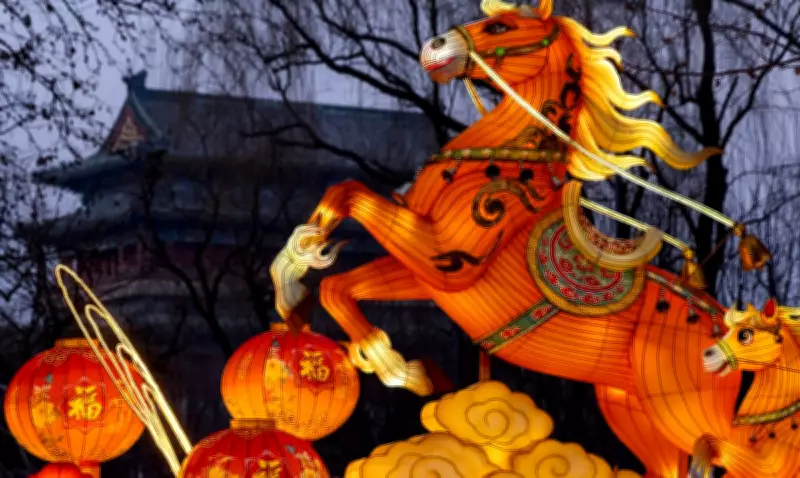
Global Festivities Herald the Arrival of the Year of the Horse in 2026
On Tuesday 17 February 2026, Asian communities across the globe will enthusiastically welcome the Year of the Horse with vibrant carnivals, intimate family gatherings, colourful parades, traditional culinary delights, spectacular fireworks displays, and numerous other festive activities. In many Asian nations, this celebration extends over several days, creating a prolonged period of joy and cultural expression. Within diaspora communities, particularly in cultural enclaves worldwide, Lunar New Year is marked by visible and exuberant public celebrations that highlight rich heritage and shared traditions.
Understanding Lunar New Year and Its Zodiac Traditions
The Lunar New Year, recognised as the Spring Festival in China, Tet in Vietnam, and Seollal in Korea, represents a major cultural festival celebrated across numerous Asian countries. In Indonesia, for instance, celebrations feature elaborate dragon puppet performances and rhythmic drum displays. This significant occasion commences with the first new moon of the lunar calendar and concludes fifteen days later with the first full moon. Since the lunar calendar operates according to moon cycles, the holiday dates fluctuate annually, typically occurring between late January and mid-February.
Each year within the Chinese zodiac system honours a specific animal, with 2026 designated as the Year of the Horse. The complete zodiac cycle comprises twelve animals: rat, ox, tiger, rabbit, dragon, snake, horse, goat, monkey, rooster, dog, and pig, which collectively measure temporal cycles. According to popular legend, a deity summoned all animals to bid him farewell before departing Earth, with only these twelve creatures appearing. The Vietnamese zodiac presents slight variations, honouring the cat instead of the rabbit and the buffalo instead of the ox.

The Profound Symbolism of the Horse in Chinese Culture
Within Chinese cultural traditions, the horse stands as a deeply revered symbol representing freedom, vitality, and unrestrained ambition. These magnificent creatures are celebrated for their remarkable speed and fiercely independent spirit, with cultural interpretations suggesting they resent any form of constraint or limitation. For the year 2026, this powerful symbolism indicates a period exceptionally conducive to pursuing new opportunities and embracing significant personal and collective transformation.
Traditional Beliefs and Celebratory Practices Across Cultures
One well-known ancient legend recounts the story of Nian, a terrifying monster that allegedly feasted on human flesh during New Year's Day. Since this beast reportedly feared the colour red, loud noises, and fire, people historically displayed red paper dragons on their doors, burned red lanterns throughout the night, and ignited firecrackers to frighten and drive away the creature.
Contemporary Lunar New Year celebrations continue to focus on eliminating bad luck while welcoming prosperity and positive energy. The colour red remains particularly auspicious, symbolising good fortune and joy across many Asian cultures. Celebrants commonly wear red clothing, adorn their homes with red paper lanterns, and distribute money in red envelopes to loved ones and friends. Gambling and traditional games feature prominently across various cultural celebrations during this festive period.
Ancestor worship represents another significant tradition, with Korean families frequently participating in the "charye" ritual where female members prepare food and male members serve it to ancestors. The ceremony concludes with "eumbok," where the entire family shares the food while seeking ancestral blessings for the coming year. Vietnamese communities prepare traditional dishes placed on home altars as respectful offerings to ancestors. Interestingly, some Indigenous groups including Mexico's Purepecha community also celebrate Lunar New Year during this seasonal period.

Diaspora Celebrations and Culinary Traditions
Asian American communities throughout the United States organise elaborate parades, carnivals, and festivities featuring lion and dragon dances, fireworks, traditional foods, and cultural performances. Beyond thorough home cleaning, many families purchase new household items like furniture and decorate with orchids and other brightly coloured flowers. Notably, some Asian American Christians observe Lunar New Year as a cultural event, with several Catholic dioceses and other churches across the U.S. incorporating it into their calendars.
Culinary traditions vary significantly across cultures, with special foods including dumplings, rice cakes, spring rolls, tangerines, fish, and various meats. Chinese culture features "changshou mian" or "long-life noodles," consumed with wishes for longevity, health, and happiness. Vietnamese celebrations require banh chung and banh tet—traditional dishes created from glutinous rice, with banh tet specifically involving banana leaves lined with rice, soft mung beans, and pork belly rolled into logs before wrapping. Korean traditions include tteokguk, a brothy soup containing thinly sliced rice cakes. In Hong Kong, some snake shops serve warm bowls of snake soup as Lunar New Year approaches.