Women Seek Place in France's Ancient, Male-Dominated Carnival Festivals
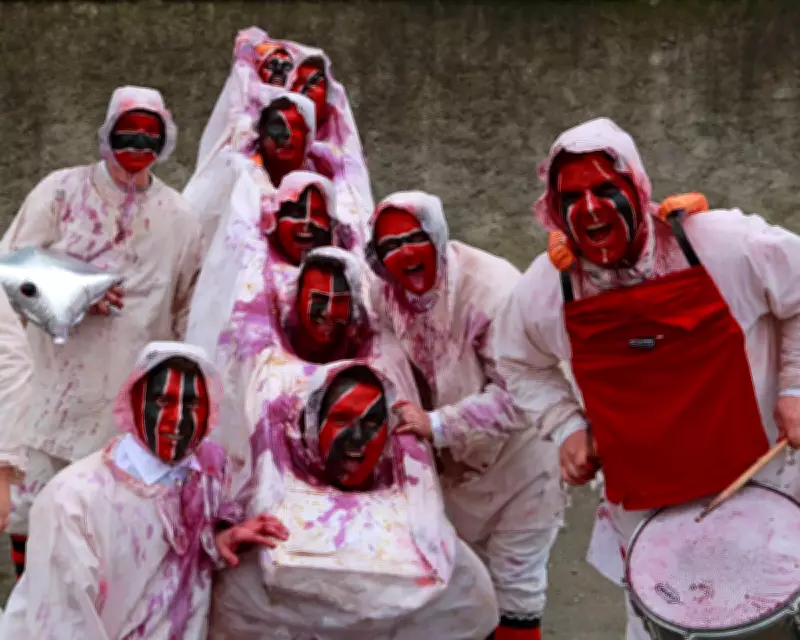
In the medieval village of Cournonterral, southern France, the Pailhasses festival unfolds each Ash Wednesday with a scene of controlled chaos. Men dressed as fearsome creatures, adorned in black badger hair masks, top hats, and straw-stuffed armour, roam the streets. These figures, known as the badger-men, are exclusively male, while women participate only as prey, chased through alleys in a ritual steeped in history and secrecy. This tradition, dating back to 1346, is one of France's oldest carnivals, celebrating the end of a village feud and serving as a pre-Lent release of frustrations.
The Rigid Traditions of Cournonterral
The festival's rituals involve strength, pursuit, and symbolic attack, with the badger-men dipping whips in violet wine lees and animal hair before chasing the blancs—participants dressed in white, including a few teenage girls. Smartphones and cameras are banned, and spectators are officially unwelcome, reflecting a deeply secretive culture. Behind this facade, however, modernity is pressing against tradition as women increasingly demand more active roles beyond supportive tasks like cooking or organising.
Corinne Lamarche, an anthropologist, notes that societal shifts in the 1970s and 1980s allowed women to join as blancs, but progress has stalled. Elsa, a 26-year-old former participant, expresses frustration, suggesting that any woman attempting to wield a whip might face humiliation. The exclusivity extends beyond gender; only certain families are deemed legitimate "Pailhasses families," with rights passed down generations, highlighting a conservatism that resists change.

Broader Struggles in Rural Identity
This traditionalist approach is part of a larger struggle in rural areas grappling with identity. Cournonterral, experiencing an influx of new residents, clings to its carnival as a source of pride and community cohesion. Beatrice Barbara, from a carnival family, emphasises that the event revitalises the village, with people taking time off work and returning from afar. She argues that outsiders fail to grasp its significance, and there is a strong reluctance to alter traditions that define local heritage.
Contrasting Approaches in Other Villages
Elsewhere in the Eastern Pyrenees, villages demonstrate that traditions can evolve while preserving core elements. In Prats-de-Mollo-la-Preste, the Bear festivities, now on UNESCO's Intangible Cultural Heritage list, have adapted to include broader participation. Traditionally involving men as barbers and a bear chasing people, the event now allows anyone to be targeted, with soot smeared on faces instead of gender-specific targeting.
Lilian Grainger, from the organising committee, credits UNESCO recognition with safeguarding the tradition and improving its public image. Yet, change faces internal resistance. For four years, a group of women in Prats has staged an unofficial "bears with glitter" version, reenacting rituals but not receiving official recognition. In response, the committee created a new female role, pastoretes (shepherds), tasked with educating spectators and ensuring safety—a compromise that acknowledges women's involvement without granting equal symbolic status.
Feminist Challenges and Symbolic Equality
In Saint-Laurent-de-Cerdans, Sandrine Flores and her friends revived the figueretes, historical female protagonists who smear figs and muscat wine on faces, offering some symbolic parity with male barbers. Despite facing opposition from both men and women, who criticised the role as unfeminine, their group has persisted and now attracts younger participants. However, taking on star roles like the bear remains off-limits for women, with demands flatly refused due to what Flores describes as pervasive male chauvinism.
Dominique Pauvert, an ethnomythologist, argues that carnivals, inherently subversive, could accommodate women behind masks without undermining the fear needed for collective release. As rural communities strive to maintain unique traditions, the tension between preservation and inclusivity continues to shape these vibrant festivals.