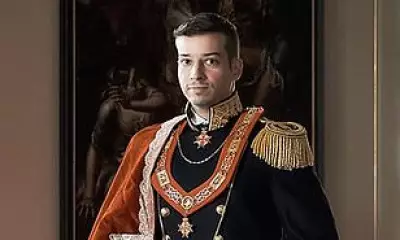
Prince William's Saudi Arabia Visit Signals UK's Diplomatic Shift Amid Global Instability
In an era marked by international turbulence and shifting geopolitical landscapes, the announcement of Prince William's historic upcoming visit to Saudi Arabia represents a calculated and significant diplomatic move for the United Kingdom. This development arrives at a critical juncture, as Britain navigates the complex aftermath of Brexit, ongoing conflict in Europe, and the growing spectre of harmful trade tariffs from the United States under the unpredictable administration of Donald Trump.
A Strategic Response to Global Uncertainty
The timing of this royal mission is particularly telling. As highlighted during the recent World Economic Forum in Davos, where figures like former Canadian Prime Minister Mark Carney questioned the durability of the longstanding rules-based international order, nations are being compelled to reassess their foreign policy strategies. Carney's candid remarks about pursuing more independent paths away from unreliable old relationships underscore a global trend towards diplomatic realignment that Britain cannot afford to ignore.
Britain's need to forge new alliances and protect its own interests has never been more evident. With traditional partnerships facing strain and the international arena becoming increasingly volatile, the United Kingdom must leverage every available tool to secure its position. The royal family, with its deep historical ties across the Middle East stretching back generations, provides a unique channel for this essential soft diplomacy.

The Prince of Wales as a Global Statesman
Prince William has been gradually evolving into this diplomatic role throughout his adult life. His previous visits to Israel, Palestine, Oman, the United Arab Emirates, and Kuwait have demonstrated both his personal interest in the region and his growing proficiency as a representative of British interests abroad. Palace aides have long promoted the notion of William as a "global statesman", a role that aligns perfectly with his position as a senior royal and future monarch.
Observers who have witnessed William's diplomatic engagements firsthand note his increasing maturity and awareness of global issues. This understanding is fundamental to his effectiveness in representing the monarchy and advancing UK interests on the world stage. Much like his father, King Charles, William wields significant influence that transcends traditional political boundaries.
Navigating Diplomatic Sensitivities
Of course, this visit to Saudi Arabia will not be without controversy. The kingdom faces serious and well-documented allegations regarding its human rights record, including the killing of journalist Jamal Khashoggi in 2020, which led the UK Government to sanction twenty Saudi nationals. Furthermore, accusations of "sportswashing" through investments in major events like the 2034 World Cup continue to draw international criticism.
Prince William will undoubtedly be acutely aware of these sensitivities. However, it is crucial to distinguish between the roles of the royal family and those of elected politicians. While the UK Government has formally raised human rights concerns with Saudi Arabia, and Labour leader Sir Keir Starmer has faced criticism for prioritising economic engagement, the monarchy operates within a different diplomatic sphere.
The Vital Role of Royal Diplomacy
Recent state visits, including the delicately handled engagements with President Donald Trump and the less contentious meetings with French and German leaders, have demonstrated the indispensable role that royals play in Britain's international relations. These visits often achieve diplomatic outcomes that might elude more overtly political channels.
While Prince William's mission to Saudi Arabia may appear political in nature, it represents a pragmatic recognition of contemporary realities. In a world where Donald Trump's America has shown willingness to tear up traditional allegiances, and where European security remains fragile, having a respected future monarch building bridges in strategically important regions offers tangible benefits to British interests.

The Earthshot Prize founder's journey to Saudi Arabia is therefore far more than a ceremonial visit. It is a clear signal that Britain is actively pursuing new diplomatic pathways during a period of unprecedented global instability, using every asset at its disposal to secure alliances and protect national interests in an increasingly uncertain world.