Western diplomats are approaching the current unrest in Iran with extreme caution, haunted by the ghost of a catastrophic intelligence failure: their collective inability to foresee the fall of the Shah in 1979.
The Shadow of 1979: A Diplomatic Disaster
When questioned about potential fissures at the top of the Iranian state that could threaten Supreme Leader Ayatollah Ali Khamenei's rule, officials often display a haunted demeanour. This stems from one of modern diplomacy's most significant blunders. In the months leading to the Shah's overthrow in January 1979, diplomats in Tehran confidently assured their capitals of the monarchy's stability.
In September 1978, the US Defence Intelligence Agency assessed that the shah was expected to remain actively in power for the next decade. The UK's ambassador in Tehran at the time, Sir Anthony Parsons, sent a message in May 1978 stating he did not believe there was a serious risk of the regime being overthrown while the Shah was in charge.

Parsons later authored an anguished reflection, concluding his failure was not due to a lack of information but a failure to interpret it correctly. Consequently, modern intelligence assessments now invariably start with caveats and end with question marks.
Experts See Little Sign of Regime Fracture
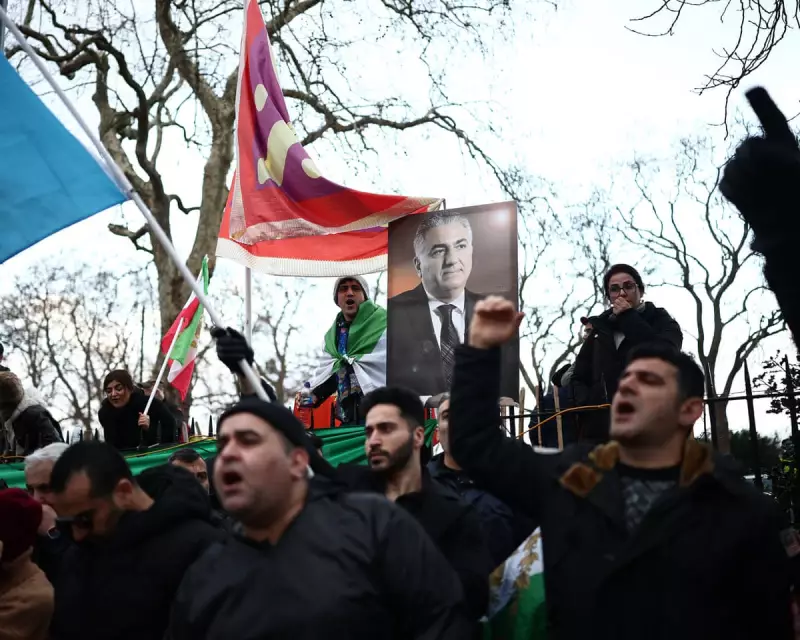
Despite ongoing protests and predictions from figures like Reza Pahlavi—the son of the last Shah—academic experts observe little indication of the mass defections needed to topple the current theocracy. Pahlavi recently claimed 50,000 officers from the Islamic Revolutionary Guard Corps (IRGC) were poised to desert, a claim he later had to revise.
Vali Nasr, author of Iran's Grand Strategy, told the Council on Foreign Relations: "There is no sign of any defections from within the regime or that it has in any way fractured." He added that crowds only win when the other side collapses.
Ray Takeyh, a senior fellow at the same institution, agreed, noting the protest movement is not yet national and that many Iranians remain fence-sitters, requiring a sense of immunity before committing to open rebellion as they did in 1978.
Internal Dynamics and a Crackdown
Initially, some differences in approach emerged within the Iranian leadership. Reformist President Masoud Pezeshkian advocated for self-criticism and legitimising protester grievances, while judiciary chief Gholam-Hossein Mohseni-Eje'i took a harder line. However, as protests spread and radicalised, the opaque centres of power—the 86-year-old Supreme Leader, the IRGC, and the Supreme National Security Council—decided contrition must end.
The shift was symbolised when Mohammad Bagher Ghalibaf, parliament speaker and former IRGC commander, addressed crowds in Tehran's Revolution Square, not President Pezeshkian. Ghalibaf issued threats to set the region on fire, directly contrasting with the foreign minister's efforts to build bridges with regional capitals like Doha.
Mohammad Ali Shabani, editor of Amwaj.media, noted that historically, protests in Iran lead to a regime rebalancing in favour of repression. The judiciary is now calling for swift punishment of rioters.
While Israel's attacks in June killed experienced IRGC figures, including chief Hossein Salami, the new generation of leaders appointed by Khamenei are ideologically identical. The regime's senior figures have coalesced around a narrative framing the unrest as an Israeli-inspired insurrection, a continuation of the June attacks.
An Unsustainable Status Quo?
There is a palpable sense of shock among officials, with private admissions that the current path is unsustainable. The underlying economic issues, which would require challenging the banks and the IRGC's dominance, must eventually be addressed. It is these very reforms that threaten Iran's elite and could create a genuine split at the top—which is why they are perpetually postponed.
Ray Takeyh warned: "The regime has created a cycle, because the underlying causes of dissent... cannot be addressed by the regime." The scale of the recent crackdown, with reports suggesting around 2,000 killed, represents a qualitative shift in repression.

Once the period of mourning ends, Iran's leadership will have to confront this fundamental impasse. For now, Western diplomats, scarred by history, are not betting on the regime's imminent demise.