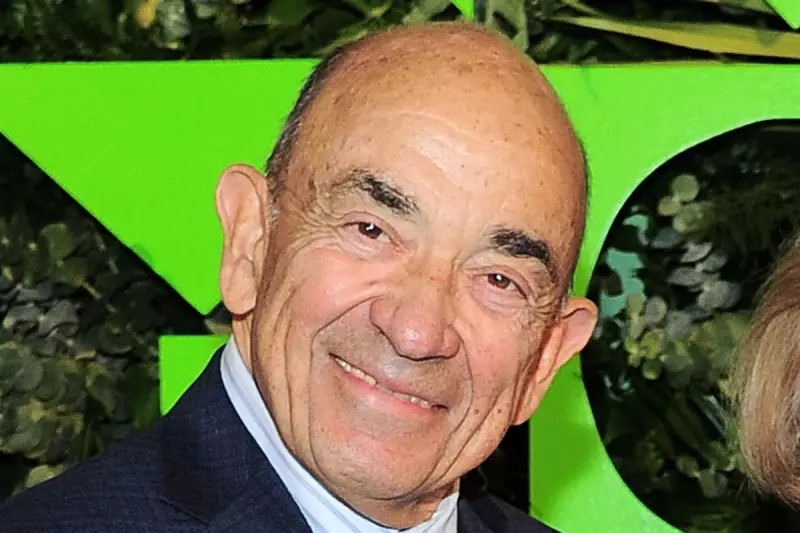
The high-stakes criminal prosecution of former Venezuelan President Nicolás Maduro has been assigned to a 92-year-old American federal judge celebrated for his fierce independence and maverick approach to the bench.
A Judge Who Marches to His Own Beat
U.S. District Judge Alvin Hellerstein, a Bill Clinton appointee based in Manhattan, presided over Maduro's arraignment on Monday and is expected to handle any subsequent trial. Former federal prosecutors who have worked with him describe a jurist utterly unconcerned with external opinion or conventional pressure.
"He’s just old and old-school and does things his own way and doesn’t give a shit what anyone thinks about him," one former prosecutor told Politico anonymously. Another added, "He tries very hard to do the right thing. [He] just has his own sense of what that is."

A Career at the Centre of American Justice
Judge Hellerstein sits on the U.S. District Court for the Southern District of New York, one of the nation's busiest and most influential trial courts. Appointed by President Clinton in 1998, he took senior status in 2011 but continues to take on landmark cases.
His legal pedigree is formidable: educated at Harvard University and Harvard Law School, he began his career clerking for a prominent appeals court judge in the 1960s. Before his judicial appointment, he spent over three decades as a formidable litigator in New York.
Hellerstein's docket has repeatedly placed him at the heart of defining national issues. He is widely known for overseeing litigation related to the September 11, 2001, attacks and for ruling on habeas corpus petitions from detainees at Guantánamo Bay.
Precedent of Scrutinising Power
The judge's history suggests he will not be swayed by the defendant's former status. He has previously challenged assertions of executive power, including those from former President Donald Trump.
Hellerstein repeatedly rejected Trump's attempts to move his New York hush money case to federal court, stating that reimbursing a lawyer for a payment to an adult film star "cannot be considered the performance of a constitutional duty."
More recently, in 2025, he issued a temporary order blocking the deportation of two Venezuelan nationals from his district until they received due process, in a case challenging the use of the 1798 Alien Enemies Act.
This background paints a picture of a judge meticulously focused on legal procedure and his own interpretation of justice, setting the stage for a closely watched and fiercely independent adjudication of the charges against Nicolás Maduro.