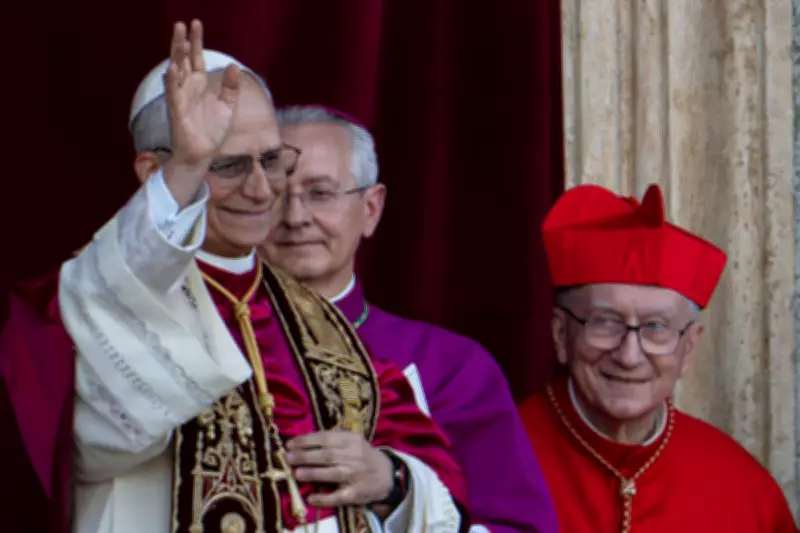
Cardinal Pietro Parolin, the Vatican's Secretary of State, has delivered a direct and public criticism of the ongoing military strikes by the United States and Israel against Iran, stating that these actions fundamentally undermine international law. In a highly unusual move for a senior Vatican diplomat, Parolin explicitly warned that recognising a right to 'preventive war' could escalate into a broader global conflict, highlighting a dangerous trend where the 'rule of force has replaced the force of law'.
Unprecedented Public Critique from the Vatican
This direct condemnation of a specific military campaign is considered highly atypical for Vatican officials, who traditionally prefer to operate discreetly behind the scenes in diplomatic matters. The Cardinal's remarks signal a significant shift towards more overt political engagement, reflecting growing concern within the Holy See over the escalating tensions in the Middle East.
Context of the Conflict and Broader Appeals
The criticism from Cardinal Parolin follows an impassioned appeal made by Pope Leo XIV on Sunday, calling for an immediate end to the 'spiral of violence' in the region. The newly elected Pope, formerly Cardinal Robert Francis Prevost, has emphasised the urgent need for peaceful resolutions to international disputes since his election in May 2025.

Former U.S. President Donald Trump had previously justified the strikes against Iran as necessary measures to prevent the country from developing nuclear weapons and to thwart its ballistic missile programme. However, the Vatican's top diplomat has now publicly challenged this rationale, arguing that such pre-emptive military actions set a perilous precedent that weakens the entire framework of international law.
Implications for Global Diplomacy and Security
Parolin's warning underscores a critical concern about the erosion of legal norms in international relations. By openly criticising the U.S.-Israeli campaign, the Vatican is positioning itself as a vocal advocate for diplomatic solutions and the strict adherence to established legal protocols. This stance highlights the growing role of religious institutions in global geopolitical debates, particularly concerning issues of war, peace, and humanitarian law.
The Cardinal's statements also reflect broader anxieties within the international community about the potential for regional conflicts to spiral into wider confrontations. His emphasis on the 'weakening of international law' serves as a stark reminder of the fragile nature of global security architectures in an era increasingly dominated by unilateral military actions.