
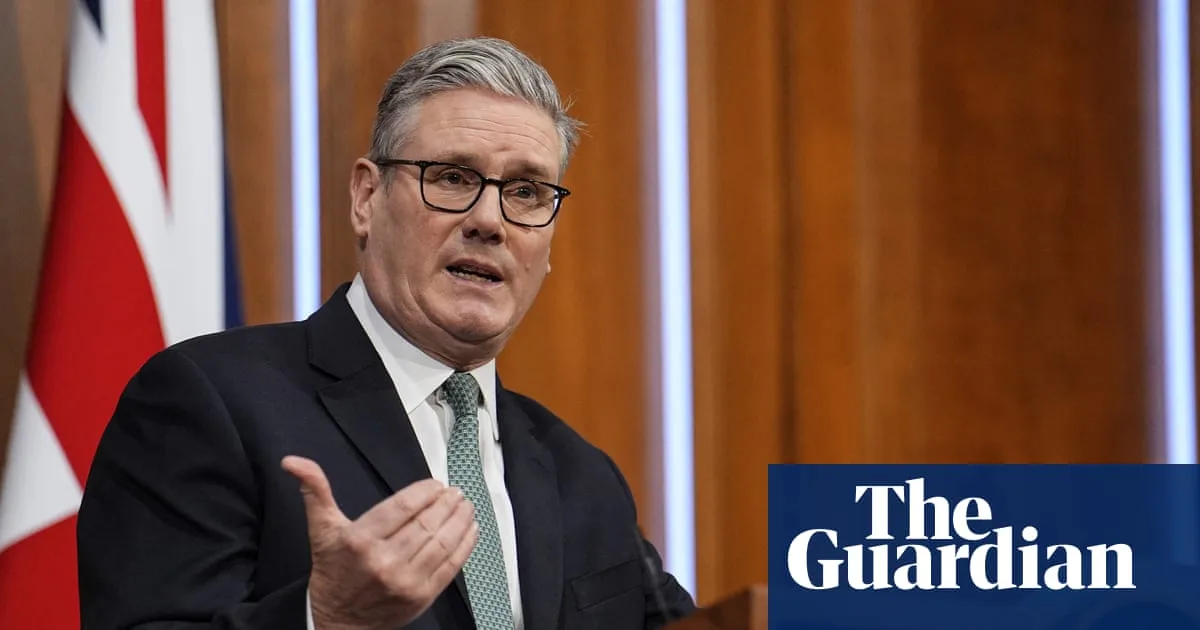
Prime Minister Sir Keir Starmer has downplayed the prospect of imposing retaliatory tariffs on the United States, following President Donald Trump's threat to levy new tariffs on Nato allies unless a deal over Greenland is reached. Speaking at an emergency press conference on Monday, Starmer said US tariffs would damage the British economy and were “in no one’s interests,” urging a “calm discussion” with allies instead.
Despite growing pressure domestically to take a more forceful response, Starmer said he had not yet reached the stage of ruling out tariffs completely. Downing Street sources suggested the government would assess the situation as it develops, while preparing a potential taxpayer-funded support package to shield British businesses if the US pushes ahead with its threats next month.
“Threatening tariffs on allies is the wrong thing to do, completely wrong,” Starmer told reporters. “A tariff war isn’t in anybody’s interests. Therefore what I want to do is to avoid a tariff war, because it will be businesses, workers and families across the country that will be hit by a trade war.”
The business secretary, Peter Kyle, confirmed he had already spoken to Jaguar Land Rover about the tariff threats, adding: “I am always open to conversation about how we can support them – support them in their hour of need, support them when they have opportunities.”
A YouGov poll on Monday found that two-thirds of Britons would support placing retaliatory tariffs on American goods if Trump follows through on his threat. The Liberal Democrat leader, Ed Davey, urged the government to change course, calling Trump an “international gangster” over Greenland. Senior Conservative MP Simon Hoare said it was time to “fight fire with fire.”
Starmer defended his diplomatic approach, emphasising the importance of US cooperation on intelligence, nuclear deterrence and Ukraine. “Alliances endure because they’re built on respect and partnership, not pressure,” he said. “Strong, respectful alliances require the maturity to say where we disagree, and on this we disagree.”




