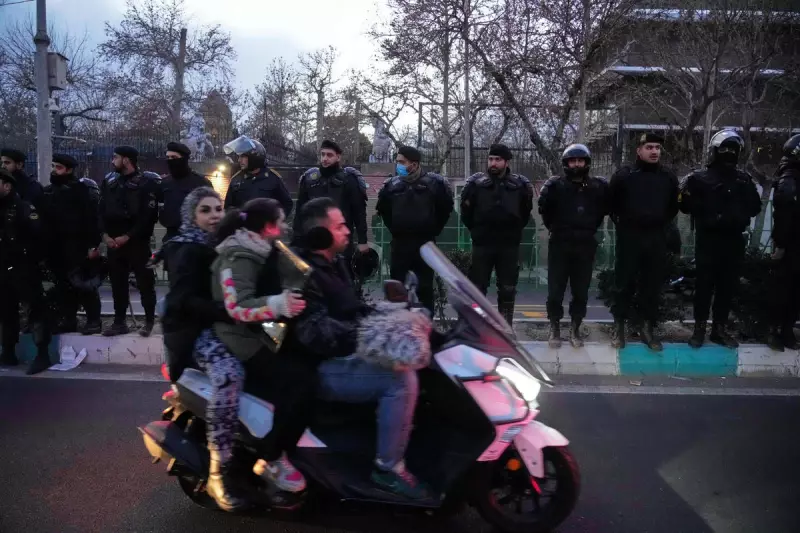
The United States government has taken direct action against senior Iranian figures it accuses of violently suppressing dissent, announcing a new package of sanctions aimed at those responsible for cracking down on protests.
Targets of the New Measures
On Thursday, 15 January 2026, the US Treasury Department unveiled the sanctions, which specifically name the secretary of Iran's Supreme Council for National Security. The official is alleged to have called for violence against citizens protesting the country's theocratic government. The measures extend beyond individuals to encompass an intricate financial network.
In a significant broadening of the action, the Treasury also designated 18 additional people and companies. These entities are implicated in operating a shadow banking network that is linked to Iranian financial institutions, a system believed to help Tehran circumvent existing international restrictions.

Symbolic Support and Practical Limits
Treasury Secretary Scott Bessent framed the sanctions as a clear message of solidarity. He stated that the United States stands with the Iranian people in their calls for fundamental freedoms and justice. The sanctions formally block the targeted individuals and entities from accessing any US-based assets and prohibit American businesses from dealing with them.
However, officials acknowledged the practical limitations of the move. For many of those listed, the impact is largely symbolic, as they are not believed to hold significant funds or assets within the US financial system. The primary weight of the action lies in the public designation and the continued pressure on Iran's economic conduits.
Context and International Response
This latest round of sanctions represents a continued US policy of applying diplomatic and economic pressure on Tehran over its domestic human rights record. By targeting both the security apparatus and the financial networks that support it, Washington aims to increase the cost of internal repression.
The development is likely to further strain relations between the two nations, with Iran consistently dismissing such foreign sanctions as interference in its sovereign affairs. The focus on a shadow banking system highlights the ongoing cat-and-mouse game between international regulators and attempts to bypass global finance rules.