

The United States government has taken decisive action against an international drug trafficking network based in Costa Rica, imposing comprehensive sanctions on key individuals and businesses allegedly involved in the illicit trade. The Treasury Department's Office of Foreign Assets Control (OFAC) announced the measures on Thursday, 22 January 2026, targeting what it describes as a sophisticated operation responsible for moving substantial quantities of cocaine.
Targets of the Sanctions
The sanctions specifically name five Costa Rican nationals and five Costa Rican entities. At the centre of the network is alleged leader Luis Manuel Picado Grijalba, whom the Treasury identifies as one of the most prolific international drug dealers operating in the Caribbean region. His brother, Jordie Kevin Picado Grijalba, is also sanctioned, alongside other family members including Grijalba's wife and mother-in-law.
Business Fronts and Money Laundering
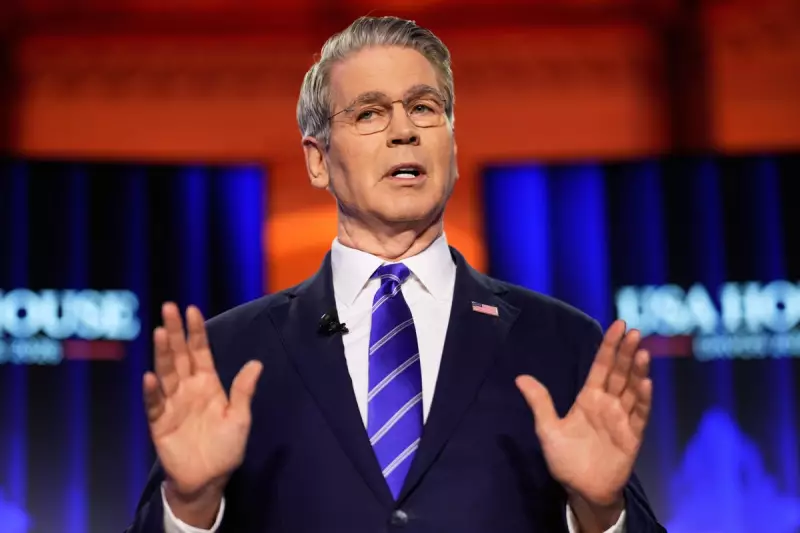
Notably, the sanctioned entities include family-operated companies that purportedly served as fronts for drug trafficking and money laundering activities. Among these is an aesthetic salon, highlighting the diverse methods used to conceal illicit profits. Treasury Secretary Scott Bessent emphasised the broad responsibility of all participants in the drug supply chain, stating that "from shipping facilitators to money launderers — bears responsibility for American addictions and deaths."

Alleged Operations and International Cooperation
The OFAC alleges that the network transported multi-ton shipments of cocaine from Colombia, stored the drugs within Costa Rica, and then distributed them to markets in the United States and Europe. This action resulted from a collaborative international investigation involving a taskforce that combined resources from US Homeland Security and Drug Enforcement Administration field offices, Costa Rica's Office of the Attorney General, and other agencies.
Consequences of the Sanctions
The imposed sanctions carry severe financial implications. They deny the designated individuals and entities access to any property or financial assets held within the United States. Furthermore, US companies and citizens are prohibited from conducting any business transactions with them, effectively cutting off their access to the American financial system.
Broader Context of Caribbean Drug Enforcement
Thursday's sanctions form part of a wider Trump administration initiative targeting drug trafficking networks throughout the Caribbean. This campaign has included military actions, with the US conducting a series of deadly strikes on suspected drug-smuggling vessels in the Caribbean Sea and eastern Pacific Ocean since early September. Reports indicate these operations have resulted in over 100 fatalities.
In a significant escalation, the CIA executed a drone strike on Venezuelan soil in December, targeting a docking area believed to be utilised by drug cartels. This marks the first-known direct US military operation within Venezuelan territory.
Diplomatic Agreements with Costa Rica
The administration has also pursued diplomatic channels, striking a deal with Costa Rica early last year during US Secretary of State Marco Rubio's visit. Under this agreement, Costa Rica consented to detain US deportees in its facilities while arrangements were made for their return to their countries of origin, illustrating the multifaceted approach to regional security and immigration challenges.
This latest sanctioning action underscores the ongoing international efforts to dismantle transnational criminal organisations and disrupt the flow of narcotics from source countries to consumer markets.






