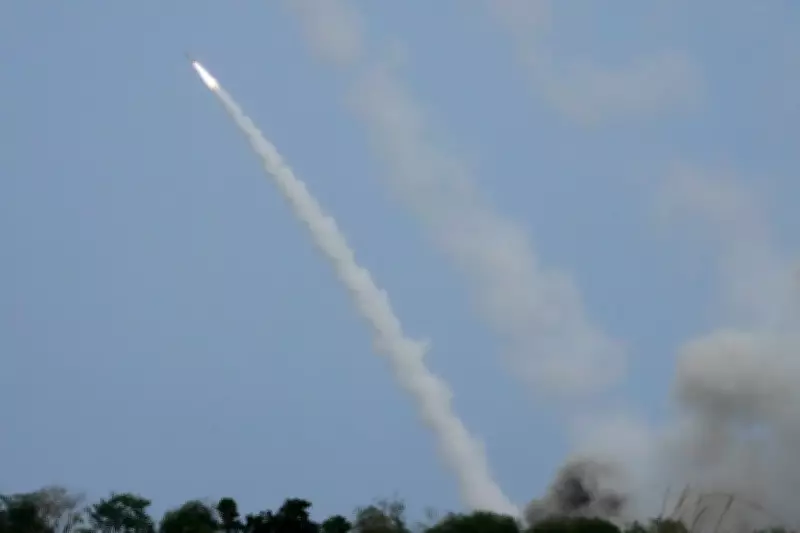
The United States is moving forward with plans to deploy additional advanced missile systems to the Philippines, a strategic move aimed at deterring aggression in the contested South China Sea. This development comes as the treaty allies jointly condemned what they described as China's "illegal, coercive, aggressive, and deceptive activities" in the region, highlighting ongoing geopolitical frictions.
Escalating Military Presence and Diplomatic Tensions
Beijing has repeatedly expressed alarm over previous U.S. military installations in the Philippines, including the deployment of the Typhon mid-range missile system in 2024 and an anti-ship missile launcher last year. China asserts that these weapons are designed to contain its rise and pose a threat to regional stability, leading to demands for their withdrawal—a request firmly rejected by Philippine officials under President Ferdinand Marcos Jr.
Strengthening Alliance Through Security Talks
During annual talks held in Manila, U.S. and Philippine officials discussed broadening security, political, and economic engagements, with a focus on enhancing collaboration with regional allies. A joint statement outlined specific defense plans for the year, including joint military exercises, U.S. support for modernizing the Philippine military, and efforts to increase deployments of cutting-edge missile and unmanned systems to the Philippines.

The statement emphasized both sides' support for preserving freedom of navigation and overflight, as well as unimpeded lawful commerce in the South China Sea. It also condemned China's activities, noting their adverse effects on regional peace, stability, and economies across the Indo-Pacific and beyond.
Details on Planned Missile Deployments
While specifics on the new missile deployments were not fully elaborated, Philippine ambassador to Washington, Jose Manuel Romualdez, indicated that discussions included the possible deployment of "upgraded" types of U.S. missile launchers this year. These systems, described as highly sophisticated, could eventually be purchased by the Philippines, with Romualdez stating, "It's a kind of system that's really very sophisticated and will be deployed here in the hope that, down the road, we will be able to get our own."
Existing systems, such as the Typhon missile system deployed to Luzon in April 2024 and the Navy Marine Expeditionary Ship Interdiction System deployed last year, remain in place. U.S. forces have used joint drills to familiarize Filipino troops with these weapons' capabilities and usage, according to military officials.
Strategic Implications and Regional Context
Romualdez stressed that the missile deployments are purely for deterrence, not antagonism, stating, "Every time the Chinese show any kind of aggression, it only strengthens our resolve to have these types." The Typhon system, a land-based weapon capable of firing Standard Missile-6 and Tomahawk Land Attack Missiles, can target locations over 1,000 miles away, placing China within range from northern Philippine regions like Luzon.
Last year's deployment of the anti-ship missile launcher to Batan island in the northernmost province of Batanes, near the Bashi Channel south of Taiwan, underscores the strategic importance of this sea passage. This area is a critical trade and military route where both U.S. and Chinese militaries vie for control, amid heightened confrontations between Chinese and Philippine coast guard forces in disputed waters. Other nations, including Vietnam, Malaysia, Brunei, and Taiwan, are also involved in territorial standoffs, complicating the regional security landscape.