US Orders Staff Departure from Beirut Embassy Amid Rising Iran Tensions
US Orders Staff Departure from Beirut Embassy Amid Iran Tensions

The United States has mandated the departure of nonessential diplomatic personnel and their families from the U.S. Embassy in Beirut, Lebanon, as escalating tensions with Iran heighten concerns over a possible imminent military strike. This move underscores the volatile security situation in the region, with the State Department issuing an updated travel alert for U.S. citizens in Lebanon on Monday.

Security Concerns Prompt Embassy Drawdown

In the travel alert, the State Department confirmed it "ordered the departure of non-emergency U.S. government personnel and family members of government personnel due to the security situation in Beirut." The alert, released hours after initial reports surfaced, also restricts in-country travel for remaining U.S. personnel. A department official, speaking anonymously prior to the formal announcement, described the decision as a "prudent" measure based on continuous assessments of regional security, ensuring the embassy remains operational with only essential staff.

Historical Context of Retaliatory Attacks

Lebanon has long been a focal point for Iran-related retaliatory actions against U.S. interests, facilities, and personnel, largely due to Tehran's support for the Hezbollah militant group. Hezbollah is implicated in significant past attacks, including the deadly 1983 Marine barracks bombing in Beirut and the 1984 embassy annex bombing. This history makes changes in embassy staffing in Beirut a potential indicator of upcoming U.S. or Israeli military operations in the region.

For instance, a similar ordered departure occurred in Beirut and other regional embassies, such as in Iraq, just before former President Donald Trump authorized military strikes against Iranian nuclear facilities in June 2025. It remains uncertain whether other American embassies in the Middle East will follow suit with comparable orders.

Escalating Tensions and Military Buildup

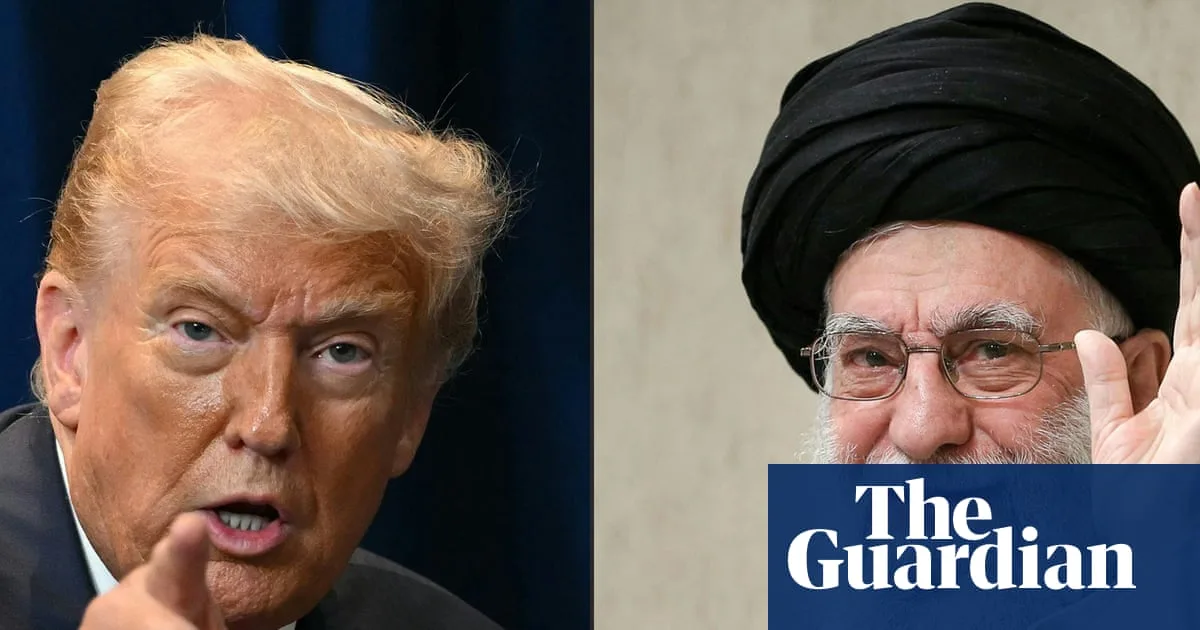
Tensions between the U.S. and Iran have intensified as Trump has amassed the largest military presence in the Middle East in decades, repeatedly threatening action if Tehran fails to negotiate a deal limiting its nuclear program. A second aircraft carrier is en route to join a surge of U.S. warships and aircraft, providing the Republican president with multiple options for a potential strike, even as diplomatic talks persist.

Diplomatic Efforts and Nuclear Talks

Oman's Foreign Minister, Badr al-Busaidi, announced that the U.S. and Iran plan to hold their next round of nuclear talks on Thursday in Geneva. A U.S. official, unauthorized to comment publicly and speaking anonymously, confirmed the meeting. Iran's top diplomat, Abbas Araghchi, told CBS on Sunday that he expects to meet U.S. envoy Steve Witkoff and expressed optimism, stating a "good chance" remains for a diplomatic resolution on nuclear issues.

Araghchi noted that a proposed deal is nearly ready and could be shared within days, with Iran continuing to work on it. When asked on Friday about the possibility of limited military action during negotiations, Trump responded, "I guess I can say I am considering that," later urging Iran to "better negotiate a fair deal."

Despite these diplomatic overtures, indirect talks between the long-standing adversaries have shown little visible progress in recent weeks. Beyond nuclear concerns, Iran has resisted broader U.S. and Israeli demands to scale back its missile program and cut ties with armed groups.

Potential Impact on Regional Diplomacy

A second State Department official, also speaking anonymously about unannounced plans, indicated that Secretary of State Marco Rubio may postpone his intended visit to Israel this weekend, reflecting the heightened uncertainty. This situation highlights the delicate balance between military preparedness and diplomatic engagement in a region fraught with historical animosities and security risks.




