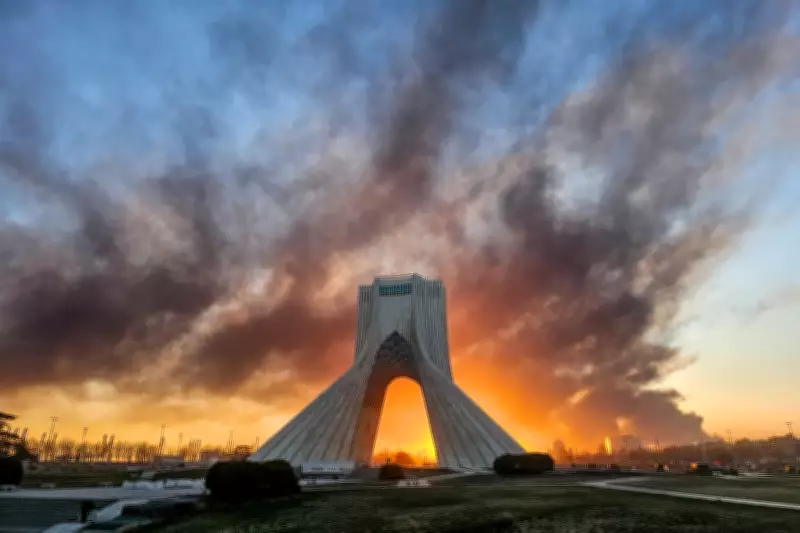
Smoke billowed behind the iconic Azadi Tower in Tehran, Iran, in the aftermath of a military strike conducted by the United States and Israel last month. This visual symbolises the escalating tensions that have now dragged into their sixth week, sparking intense debate over the underlying motivations driving the conflict.
Ideological Clash in Trump's War on Iran
In response to an article by Nesrine Malik, Lt Col (retd) Rob Symonds and David Flint have penned letters highlighting the profound ideological divide between the US and Iran. While Malik accurately points out the differences in how each side perceives conflict as a means to an end, Symonds argues she overlooks the fundamentally distinct ends they pursue.
Material Power Versus Dogmatic Creed
Symonds elaborates that since 1945, the United States has epitomised the Western vision centred on wealth, influence, and opportunity, all rooted in material ownership and power. In stark contrast, Iran, since its 1979 revolution, has constructed a regime based on a rigidly enforced ideological creed. The US, and to a lesser extent the broader West, venerates powerful figures and lavish riches, whereas Iran and various non-state groups prioritise unwavering adherence to cause and obedience—a concept often baffling to Western minds.

This clash has manifested in the Middle East as the US, with encouragement from Israel, seeks to eradicate an ideology through the destruction of people and materials. However, Symonds cautions that ideology can only be truly defeated when confronted with more resonant ideas and beliefs grounded in sound ethics. He asserts that if the global community upholds the Universal Declaration of Human Rights from 1948, it must intervene to halt the actions of the US and Israel.
Trump's Principle-Free Leadership
David Flint concurs with Malik's assessment that Donald Trump fails to comprehend Iran's leaders but identifies a critical reason: Trump's absence of principles. Flint notes that Iran's leaders operate based on religious and national principles, which, while not aligned with liberal values, are nonetheless steadfast. Trump, in contrast, lacks any principles for which he would sacrifice himself or his wealth, rendering him blind to the motives of his adversaries. This blindness, Flint argues, contributes to his destabilising impact on the world economy.
The letters underscore a broader narrative of a conflict where ideological fervour meets materialistic ambition, with Trump's unconventional leadership exacerbating misunderstandings. As the situation persists, the call for ethical engagement and principled diplomacy grows louder among observers.